

***Says Rising Debt, Poverty Contradict Claims of Fiscal Success
Presidential candidate of the Nigeria Democratic Congress (NDC), Peter Obi, has launched a blistering critique of President Bola Ahmed Tinubu’s three-year economic record, questioning how government revenue could have more than doubled while poverty, debt and economic hardship deepened across the country.
Reacting to the administration’s assessment of its performance since assuming office in 2023, Obi said the government’s own figures expose what he described as a troubling contradiction at the heart of Nigeria’s economic management.

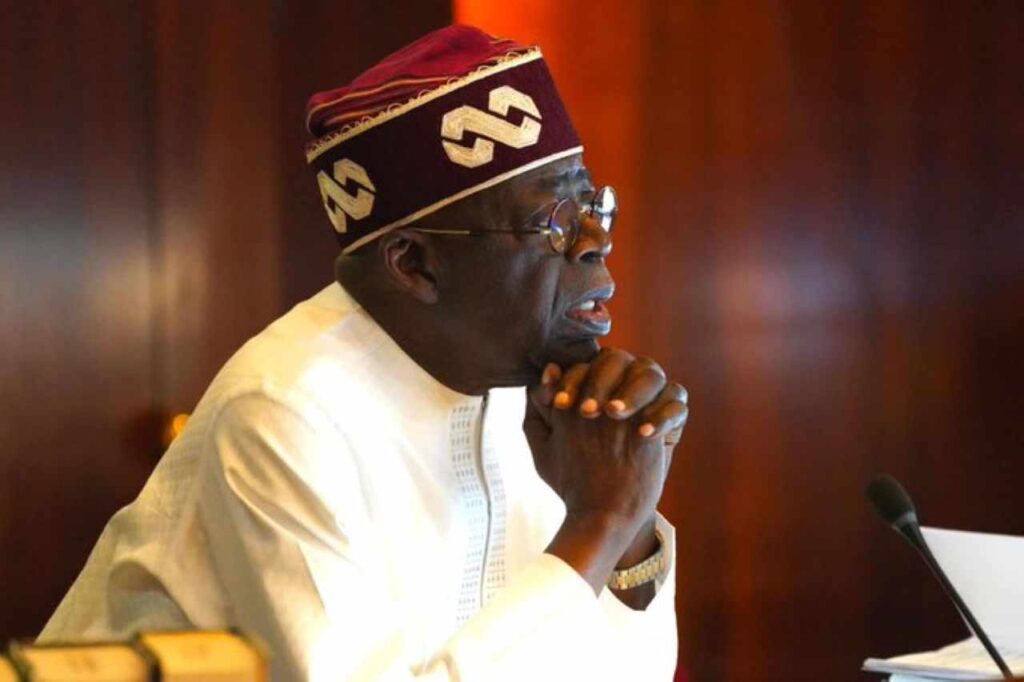
According to him, President Tinubu recently announced that federal revenue increased from N16.8 trillion in 2022 to N35 trillion in 2025—an increase of more than 100 per cent in just three years.
Ordinarily, Obi argued, such a dramatic surge in revenue should have reduced the country’s dependence on borrowing and improved living standards.
Instead, he said, Nigerians have witnessed an unprecedented expansion of public debt alongside worsening economic conditions.
“While Nigerians expected a reduction in borrowing with the exponential increase in revenue, the opposite appears to be the case,” Obi stated.
He claimed that Nigeria’s total public debt has climbed to about N200 trillion within the same period, representing an increase of more than N100 trillion despite the government’s reported revenue gains.
‘Revenue Up, Poverty Up, Debt Up’
The former Anambra governor argued that the contradiction becomes even more glaring when broader economic realities are considered.
According to him, beyond increased tax collections and government earnings, Nigeria also benefited from favourable economic conditions that generated revenues above budget projections.
Yet, he said, the benefits have failed to reach ordinary citizens.
Obi pointed to what he described as a sharp deterioration in key development indicators, including poverty levels, employment opportunities and household purchasing power.
He claimed that multidimensional poverty has risen from about 87 million Nigerians in 2023 to over 140 million in 2025, while millions of families continue to struggle under the weight of inflation and rising living costs.
He also cited a decline in GDP per capita, which he said fell from $1,597 in 2023 to $1,223 in 2025.
According to Obi, these figures raise fundamental questions about the effectiveness of government spending and the management of public resources.
‘Where Did All the Money Go?’
In perhaps his most pointed challenge to the administration, Obi demanded a detailed account of how revenues generated since 2023 have been utilized.
“The question Nigerians and even the international community are asking is: Where did all the money go?” he asked.
He argued that citizens deserve a comprehensive explanation of how increased revenues, expanded borrowing and proceeds from economic reforms have been deployed over the last three years.
The former presidential candidate said transparency and accountability must become central pillars of governance if public confidence in economic reforms is to be restored.
Call for Fiscal Accountability
Obi warned that continued borrowing without visible improvements in infrastructure, productivity, job creation and poverty reduction could further undermine confidence in economic management.
He urged the Federal Government to publish a detailed breakdown of revenues, expenditures and debt utilisation, insisting that Nigerians have a right to know how public funds are being managed.
“Nigerians deserve a detailed and transparent explanation of what happened to our economy and financial resources since 2023,” he said.
He maintained that prudent resource management, investment in productive sectors and policies targeted at lifting citizens out of poverty remain the only sustainable path to economic recovery.
The intervention marks one of Obi’s strongest attacks yet on the administration’s economic narrative and is likely to intensify debate over whether the government’s headline revenue gains have translated into measurable improvements in the lives of ordinary Nigerians.