**”Raises Alarm Over Shifting Political Loyalties
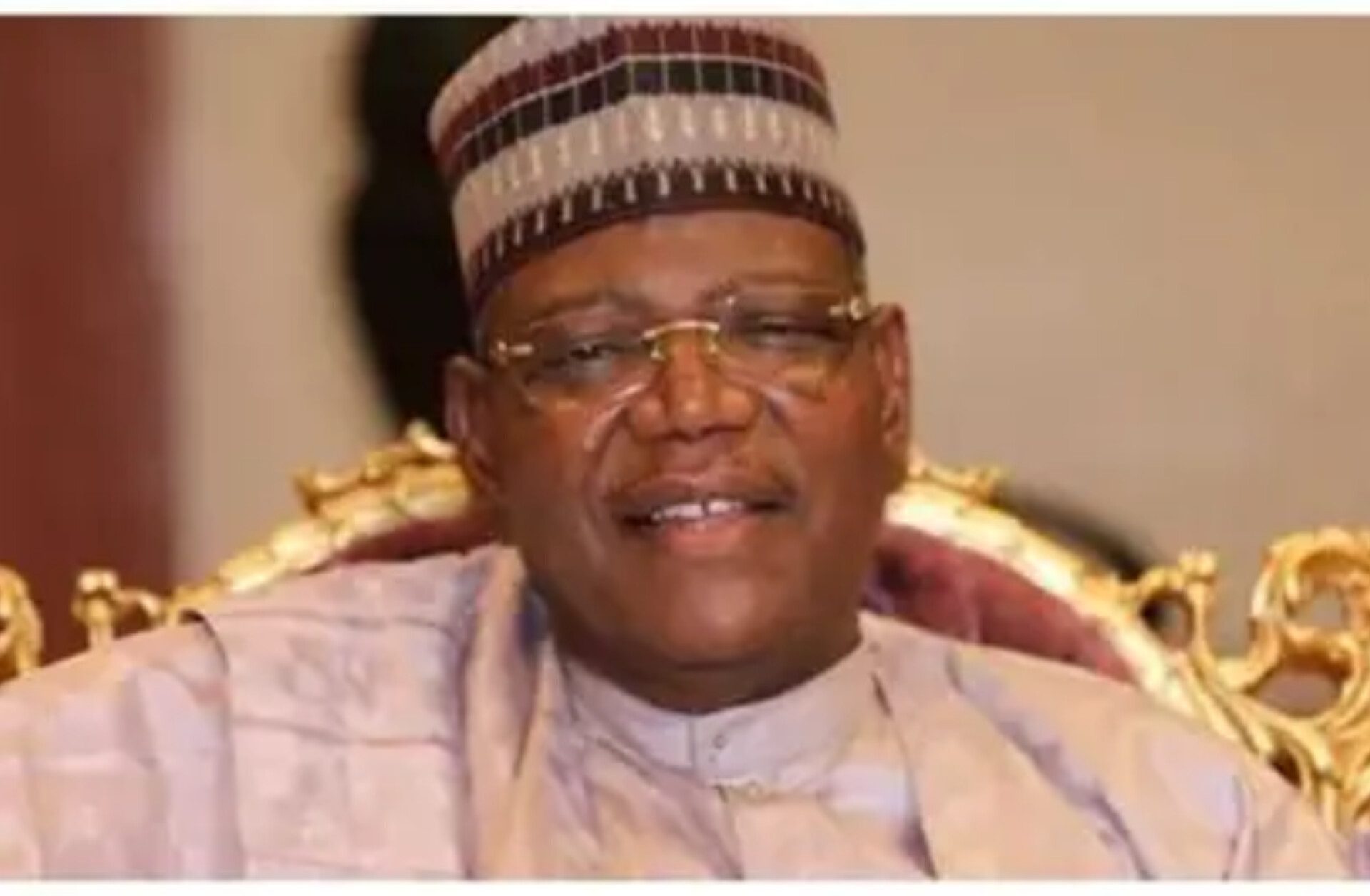
Former Jigawa State Governor and veteran political actor, Sule Lamido, has sparked renewed national debate after openly expressing concern over what he described as Nigeria’s increasingly “murky political environment,” warning that the country’s democratic direction has become harder to understand as 2027 approaches.
In a reflective and emotionally charged statement shared on his Facebook page, the founding figure of the People’s Democratic Party lamented the growing wave of defections and realignments among Nigeria’s political elite, saying the constant movement of politicians across party lines has blurred ideological identity and weakened political consistency.

Lamido said he now finds it difficult to make sense of the current political landscape, noting that many of his longtime associates and fellow PDP-era politicians are now spread across the ruling All Progressives Congress, the opposition-leaning African Democratic Congress, and the emerging Nigeria Democratic Congress.
He referenced several prominent figures who, according to him, once operated within the PDP structure but are now key players in different political formations, including Senate President Godswill Akpabio, SGF George Akume, former Kano State Governor Abdullahi Umar Ganduje, former Rivers State Governor Rotimi Amaechi, former Sokoto State Governor Aminu Waziri Tambuwal, former Delta State Governor Ifeanyi Okowa, Labour Party’s 2023 presidential candidate Peter Obi, and New Nigeria Peoples Party leader Rabiu Musa Kwankwaso.
However, beyond the list of names and shifting affiliations, Lamido’s message underscored a deeper concern about what he sees as the erosion of ideological grounding in Nigeria’s democracy.
According to him, many of the politicians currently shaping national discourse and competing for power were originally nurtured within the PDP, the party that played a central role in Nigeria’s return to civilian rule after years of military governance and the political crisis surrounding the June 12 struggle.
He recalled the early days of the Fourth Republic in 1999, when political leaders from across regions came together under a broad coalition to stabilize the nation, rebuild public trust in governance, and restore Nigeria’s diplomatic and regional standing within the Economic Community of West African States and the African Union.
Today, Lamido warned, that sense of shared national purpose appears to have faded, replaced by shifting alliances, personal ambition, and a fluid political culture where loyalty is increasingly temporary.
“We knew where we were in 1999. Do we know where we are today?” he asked, leaving a pointed reflection on the state of Nigeria’s political evolution nearly three decades into democracy.
His comments are expected to further intensify ongoing discussions around political defections, opposition fragmentation, and the uncertain alignments taking shape ahead of the 2027 general elections.