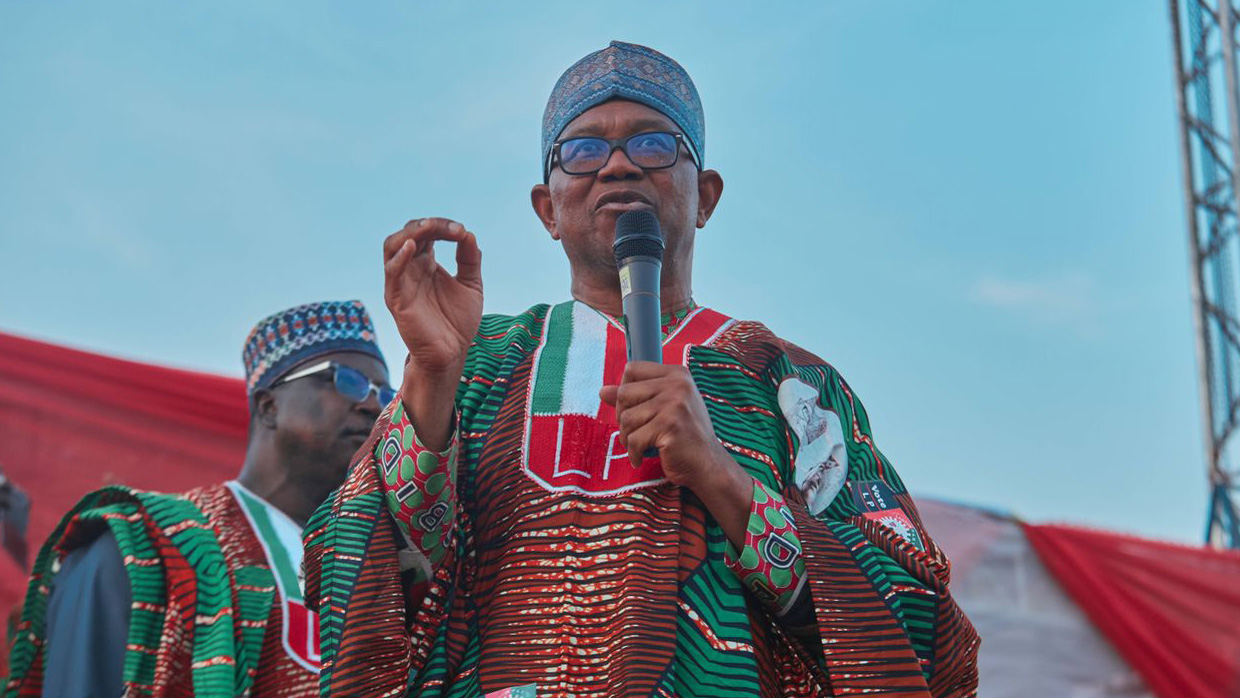
The Obidient Movement has triggered fresh political speculation ahead of the 2027 general elections after dropping what many observers describe as calculated innuendoes suggesting a possible shift toward the Nigeria Democratic Congress (NDC), amid growing uncertainty within opposition ranks.
While no formal defection or alliance has been announced, recent remarks from leading voices within the movement have intensified interpretations that key actors around the Peter Obi political base may be reassessing their long-term party alignment as internal crises deepen in some opposition platforms.
The signals come at a time when opposition politics is already under pressure from leadership disputes, court battles, and factional struggles that have left several parties struggling to present a unified front ahead of the next electoral cycle.
Following the Supreme Court’s ruling on a leadership dispute within the African Democratic Congress (ADC), the Obidient Movement has increasingly emphasised the need for what it describes as “newer and cleaner political platforms” capable of providing stability and clear electoral direction for serious presidential contenders.
Interim National Coordinator of the movement, Yunusa Tanko, had earlier warned that prolonged legal and political disputes could compress decision-making timelines ahead of Independent National Electoral Commission (INEC) deadlines, potentially forcing aspirants into rushed strategic choices.
Within the movement’s wider circle, some leaders have gone further, arguing that the current state of opposition politics may no longer offer a dependable structure for sustained national campaigns, especially with recurring disputes over leadership legitimacy and party control.
One senior figure, speaking cautiously, suggested that serious presidential aspirants may ultimately be forced to align with more stable platforms if they hope to avoid being trapped in prolonged internal conflicts that could weaken their electoral chances.
Political analysts say the tone of recent comments—though carefully framed—signals growing unease within opposition-aligned movements and a gradual search for alternative political structures capable of surviving pre-election turbulence.
The mention of the Nigeria Democratic Congress (NDC) in political conversations, they note, has further fueled speculation that a broader realignment may be quietly taking shape, even if key actors continue to publicly maintain strategic ambiguity.
As 2027 approaches, the opposition landscape appears increasingly fluid, with shifting alliances, internal fractures, and emerging platforms reshaping calculations across major political blocs.
Obidient movement stirs political tension, hints at possible realignment with NDC