The Nigerian Senate has raised fresh concerns over the country’s public health emergency preparedness following the confirmation of a new COVID-19 case in Cross River State, warning that existing systemic gaps could expose the country to another outbreak if urgent action is not taken.
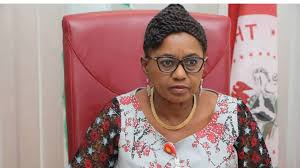
The resolution followed the adoption of a motion sponsored by Ipalibo Harry Banigo, who highlighted critical weaknesses in surveillance systems, funding structures, and rapid response mechanisms.
Leading debate on the motion, Banigo referenced Section 14(2)(b) of the 1999 Constitution (as amended), stressing that the protection of citizens’ health and welfare remains a fundamental responsibility of government at all levels.
She disclosed that the confirmed case involved a 53-year-old foreign national who arrived Nigeria through the Murtala Muhammed International Airport on March 17, 2026, traveled to Calabar the same day, developed symptoms on April 12, and tested positive on April 16 after PCR confirmation at a national reference laboratory.
Banigo expressed concern over epidemiological findings suggesting a timeline that exceeds the expected incubation period, raising fears of possible local transmission. She added that additional suspected cases have already been identified, with contact tracing and laboratory investigations ongoing.
The lawmaker warned that Nigeria’s outbreak response capacity is currently strained by shortages of essential materials, including Viral Transport Media, PCR reagents, rapid diagnostic kits, and personal protective equipment.
She further noted that the Nigeria Centre for Disease Control has been facing operational challenges due to delayed budget releases, procurement bottlenecks, and inadequate capital funding since 2025.
According to the motion, Nigeria’s federal–state public health response framework requires stronger coordination and sustained financing. Banigo recalled lessons from previous outbreaks, including Lassa fever and Ebola virus disease, noting that delays in detection and fragmented responses often worsen outcomes.
She cautioned that the current gaps could lead to delayed containment, increased spread across states, and heightened risks to frontline health workers, particularly due to inadequate protective gear.
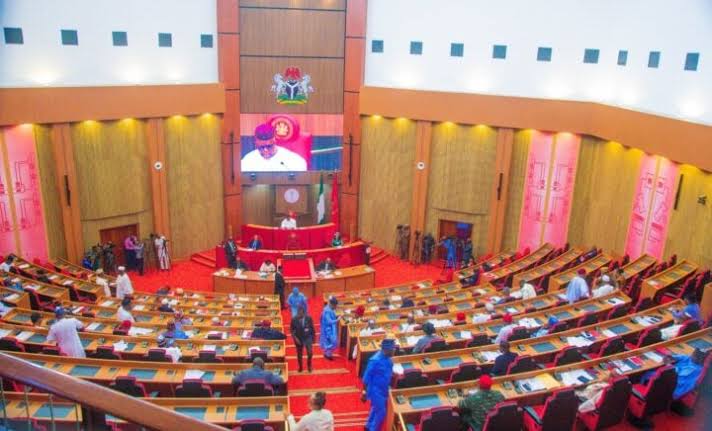
Adopting the motion, the Senate called on the Federal Ministry of Health and Social Welfare and the NCDC to intensify nationwide surveillance, testing, and contact tracing efforts.
It also urged the Federal Ministry of Finance, Budget and National Planning to fast-track the release of funds and consider activating emergency financing mechanisms to support outbreak response.
Additionally, the Senate directed the NCDC to submit a comprehensive report detailing national preparedness levels, including stockpiles, laboratory capacity, and surveillance gaps.
The upper chamber further stressed the need for robust public health communication strategies to combat misinformation and reduce public anxiety, while calling on state governments to strengthen subnational preparedness through increased funding, improved procurement processes, and enhanced support for rapid response systems.
The Senate warned that failure to urgently address funding and supply chain challenges could escalate preventable public health emergencies, putting millions of Nigerians at risk.
Senate Raises Alarm Over Preparedness Gaps After Fresh COVID-19 Case