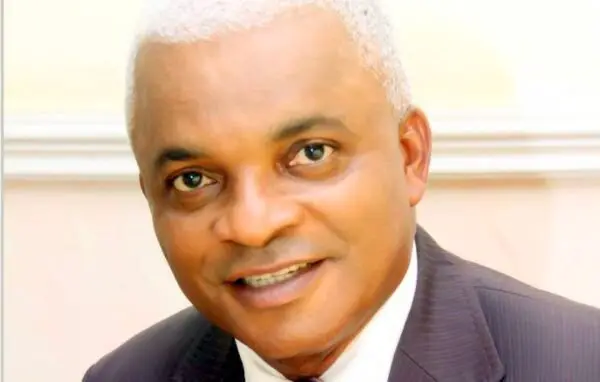
Tensions have flared within the All Progressives Congress (APC) in Akwa Ibom State following the suspension of Senate President Godswill Akpabio’s media aide, Eseme Eyiboh, over what party leaders described as “unauthorised political activity” and anti-party conduct.
The decision, taken by Ward 9 executives in Esit Eket Local Government Area, has deepened internal divisions in the party, raising fresh questions about authority, discipline, and control of political structures ahead of the 2027 elections.
In a letter dated April 22 and addressed to the APC state leadership, ward officials accused Eyiboh of actions they said were capable of undermining party unity. The allegations include alleged negligence, disregard for local party leadership, and activities that allegedly fuel internal division.
The suspension followed a warning issued just a day earlier by the local party chairman, Urua Akpe, cautioning against holding meetings without formal approval from party structures.
Despite that warning, Eyiboh proceeded with a stakeholders’ engagement that attracted political actors and community leaders in Esit Eket—an event that ultimately triggered disciplinary action.
Reacting to the development, Eyiboh dismissed the suspension, insisting the gathering was not a party meeting but a broader community stakeholders’ forum.
He argued that such engagements do not fall under internal APC regulations requiring prior approval, adding that the ward executives misinterpreted the nature of the event.
“The meeting was not a party meeting,” he maintained, questioning the authority of local executives to sanction a non-party civic engagement.
His response has escalated the issue beyond internal discipline into a wider debate over the limits of party control and political expression at the grassroots level.
Although described as a stakeholders’ meeting, the gathering carried clear political undertones. Participants reportedly endorsed President Bola Tinubu for re-election, alongside Senate President Akpabio, while also backing other political officeholders.
Analysts say such endorsements may have intensified sensitivities within the local APC structure, especially in a state where political blocs are already repositioning ahead of 2027.
The dispute is also unfolding against the backdrop of earlier political directives attributed to Akwa Ibom State Governor Umo Eno, who reportedly warned against unauthorised political gatherings, further tightening the regulatory atmosphere around political mobilisation.
This has sparked broader concerns within party circles about consistency in enforcement and the balance between grassroots leadership and influential political actors.
While the ward executives have announced Eyiboh’s suspension, the final determination now lies with higher APC authorities in Akwa Ibom State, leaving his political status uncertain.
The unfolding situation reflects a deeper struggle within the party over structure, authority, and influence as political alignments begin to take shape ahead of the 2027 general elections.
What started as a community stakeholders’ meeting has now evolved into a wider political flashpoint—one that could signal more internal battles within the APC in the months ahead.
APC Rift Widens as Akpabio’s Aide Suspended Over Meeting