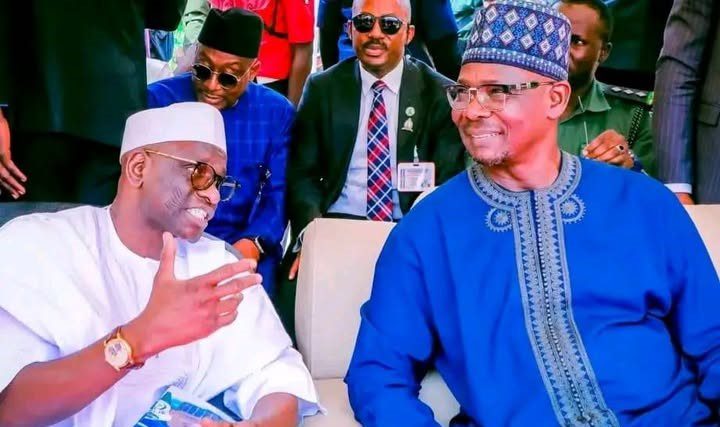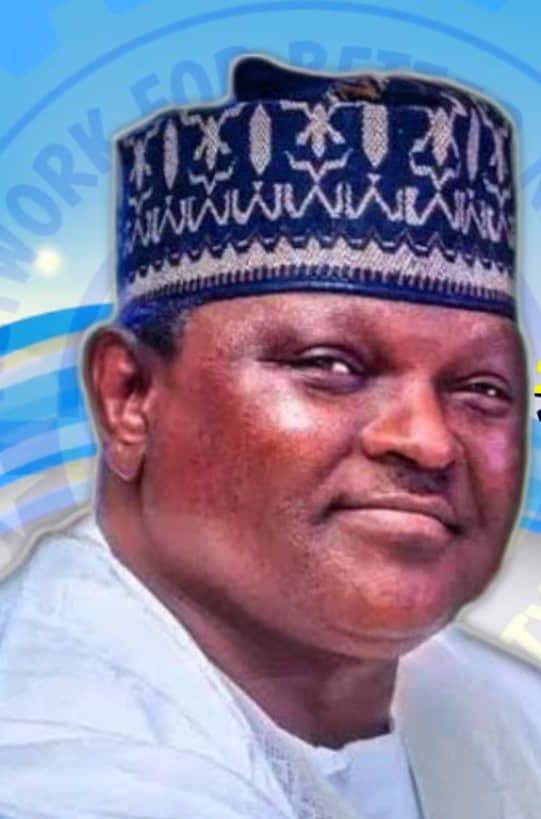
Governor Abdullahi Sule has fired the opening shot in Nasarawa’s 2027 governorship battle, anointing Senator Ahmed Aliyu Wadada as his preferred successor in a move already reshaping the state’s political chessboard.
The early endorsement ahead of party primaries, signals a calculated attempt to lock down the All Progressives Congress (APC) structure, freeze out rival ambitions, and impose a consensus candidate under the banner of his “Muje Maha” political doctrine.
But beneath the language of unity and inclusiveness lies a high-stakes power play that could either stabilise the ruling party or ignite internal resistance.
By narrowing the race to a select few and ultimately backing Wadada, Sule is effectively drawing battle lines within the APC. His insistence on “electability” as the key metric suggests a pragmatic, numbers-driven approach—one that prioritises victory over open contest.
The message to party loyalists is unmistakable: fall in line early or risk political isolation.
Yet, the endorsement also raises fundamental questions about internal democracy, especially as stakeholders have already agreed on direct primaries, a process theoretically designed to allow a broader contest.
Sule’s framing of Wadada’s emergence as the outcome of “extensive consultations” may not silence critics who see the move as a soft imposition of a preferred candidate.
While aspirants from Nasarawa West are said to have agreed to a unified front, such elite consensus does not always translate to grassroots acceptance—particularly in a politically diverse state like Nasarawa.
The governor’s call for absolute loyalty—“now it is the period that Muje Maha is Wadada”—has further reinforced perceptions that the succession process is being tightly managed from the top.
Central to Sule’s calculation is a delicate zoning arrangement within Nasarawa West, where stakeholders are pushing for a redistribution of key elective offices between the two federal constituencies.
By endorsing this arrangement, the governor is attempting to neutralise internal dissent and present a united front ahead of 2027.
However, zoning deals—while politically expedient, often carry the risk of elite capture, sidelining broader voter sentiment and triggering backlash from excluded blocs.
Sule’s projection of strong support for President Bola Ahmed Tinubu in Nasarawa adds another layer to the unfolding drama.
Aligning the state’s succession plan with national political interests could strengthen the APC’s cohesion—but it also ties local outcomes to the broader performance and perception of the federal government heading into 2027.
Despite the endorsement, the race is far from settled.
The adoption of direct primaries means that, technically, the contest remains open. Ambitious contenders within the APC may still test their strength, setting the stage for a potential clash between establishment power and grassroots mobilisation.
For now, Sule has seized the initiative—moving early to shape the narrative, consolidate influence, and position Wadada as the man to beat.
But in Nigerian politics, early endorsements can just as easily provoke rebellion as they can secure loyalty.
The coming months will reveal whether this is a masterstroke in political engineering—or the spark that fractures the ruling party ahead of a defining election.
Wadada: Sule’s succession gambit triggers Nasarawa 2027 power play