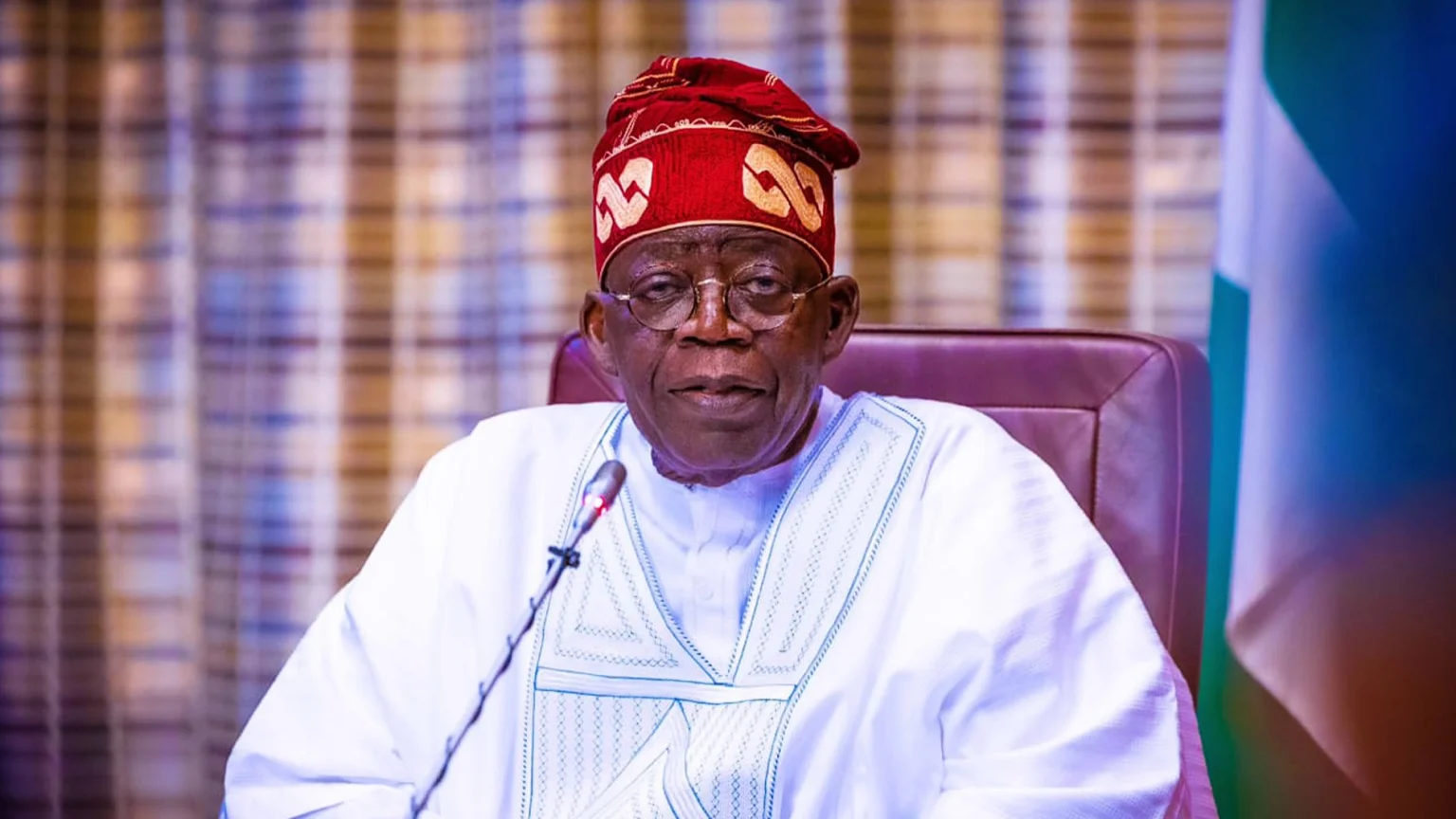
President Bola Ahmed Tinubu on Tuesday defended his administration’s sweeping tax reforms, insisting that Nigeria’s old fiscal framework had long trapped the economy in inefficiency, confusion, and underdevelopment.
Speaking in Abuja at the commissioning of the headquarters of the Nigeria Revenue Service (NRS), the President said the new tax system marks a decisive break from what he described as outdated colonial-era laws that impoverished citizens through fragmentation and inconsistency.
He said the reforms were designed to simplify the tax structure, eliminate duplication, improve transparency, and create an investment-friendly environment capable of driving long-term prosperity.
According to him, no country can achieve sustainable development with a weak and disjointed revenue system, stressing that the ongoing changes were part of a broader effort to rebuild economic confidence and strengthen public institutions.
Tinubu noted that the reforms are already beginning to show results, pointing to what he described as improved fiscal stability, rising investor confidence, and stronger revenue performance since the introduction of the new framework.
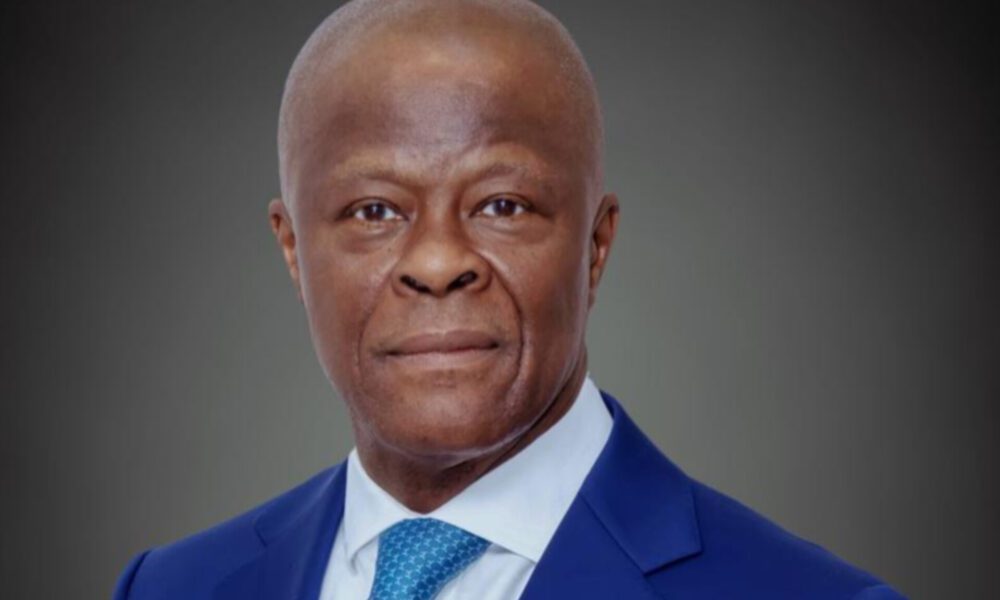
The Executive Chairman of the NRS, Zacch Adedeji, also gave an overview of the reforms, saying Nigeria’s tax system had been overhauled after decades of fragmentation. He disclosed that over 60 separate tax laws had been streamlined into a unified framework aimed at improving compliance and efficiency.
Adedeji added that revenue collection has increased significantly in recent years, attributing the growth to structural reforms rather than higher tax burdens. He also said broader fiscal reforms had strengthened government revenue flows and improved transparency in public finance management.
The Senate President, Godswill Akpabio, and Speaker of the House of Representatives, Tajudeen Abbas, both commended the reforms, describing them as necessary steps toward economic stability and improved governance.
Akpabio urged Nigerians to be patient with the administration, saying early signs such as improved fuel supply and reduced queues at filling stations reflected the impact of ongoing economic adjustments. Abbas, on his part, said the previous tax system suffered from duplication and lack of coherence, which the new framework is addressing.
Despite the optimism from government officials, reactions among citizens remain mixed, as many Nigerians continue to feel the pressure of high inflation and rising cost of living.
Analysts say the success of the reforms will ultimately depend on whether increased government revenue translates into visible improvements in living standards and economic relief for households.
The new tax system, which became fully operational in January, is part of the administration’s broader economic restructuring agenda aimed at stabilising public finances and boosting long-term growth.
Tinubu Defends Tax Reforms as Break From Colonial-Era System, Promises Economic Relief