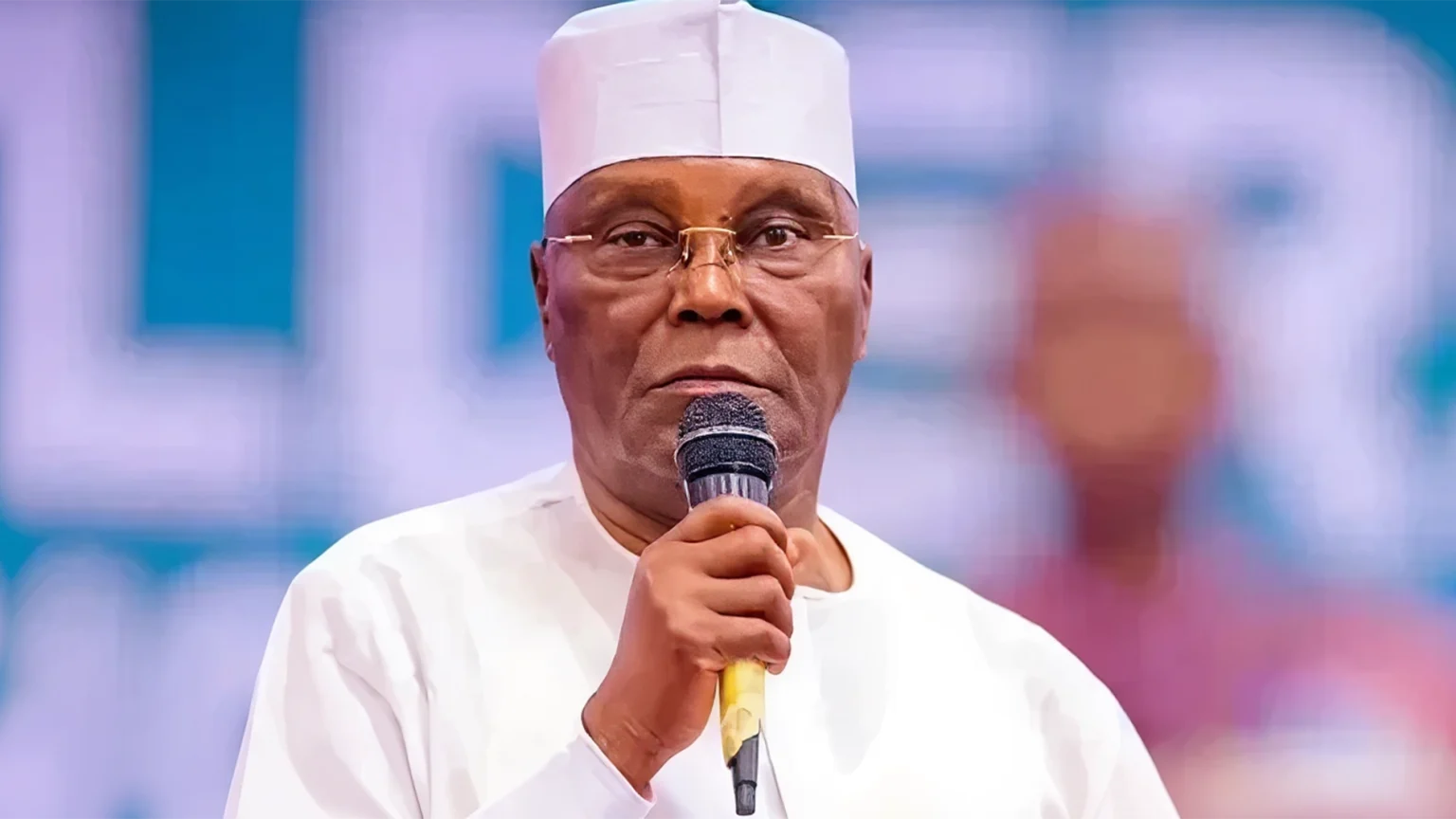
Former Vice President Atiku Abubakar may have framed his 2027 presidential ambition as a personal “final shot,” but the declaration carries broader political implications that extend beyond his individual quest for power.
His statement, delivered during a televised interview, effectively positions the next election not just as another contest, but as a defining moment for both his legacy and Nigeria’s opposition politics.
By signaling a last attempt, Atiku is raising the stakes—turning his candidacy into a referendum on experience, endurance, and political relevance in a rapidly evolving landscape.
Unlike previous election cycles where his repeated bids drew mixed reactions, this latest framing introduces urgency. It appeals to loyalists who see unfinished business, while also challenging undecided voters to reconsider the value of experience in a country grappling with economic and governance pressures.
Atiku’s emphasis on representing “both the past and the future” suggests a deliberate repositioning. Rather than distancing himself from Nigeria’s old political guard, he is leaning into it—arguing that institutional memory and exposure at the highest levels remain critical assets. His reference to working under Olusegun Obasanjo reinforces this narrative of apprenticeship and continuity.
However, this strategy is not without risk. In a political climate where younger voters increasingly demand generational change, presenting experience as a primary qualification could deepen the divide between established politicians and emerging voices seeking a break from the past.
Equally significant is Atiku’s role in shaping a broad opposition coalition. His comments indicate that 2027 may not be driven solely by individual candidacies but by alliances designed to consolidate strength against the incumbent administration of Bola Tinubu.
By expressing willingness to step aside for a consensus candidate, Atiku is attempting to project flexibility—an acknowledgment that unity, rather than ambition, may ultimately determine the opposition’s chances. Yet, Nigeria’s political history shows that coalition-building often falters under the weight of competing interests and personalities.
His criticism of the current administration, particularly on economic management, also signals that the 2027 contest could pivot heavily on performance metrics rather than traditional party loyalties.
In essence, Atiku’s “final shot” narrative is less about closure and more about consolidation—of experience, alliances, and political capital. Whether it resonates with a new generation of voters or reinforces existing divides will likely shape not just his political future, but the broader trajectory of Nigeria’s democracy.
Atiku’s “Final Shot” Signals High-Stakes 2027 Battle, a Test of Opposition Unity