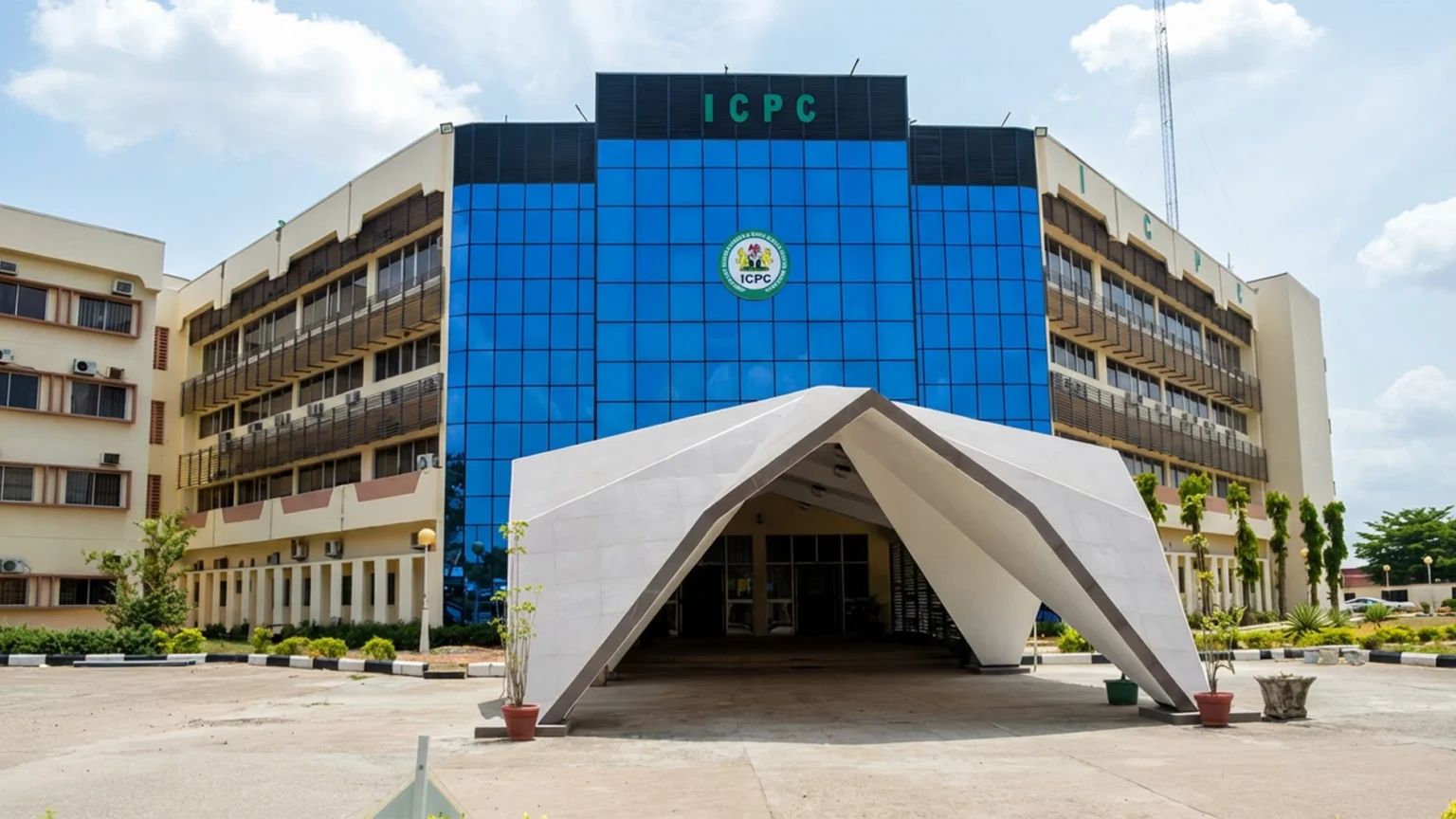
As Nigeria battles to translate massive public spending into visible development, the Independent Corrupt Practices and Other Related Offences Commission (ICPC) has thrown fresh light on the scale—and stakes—of that challenge.
At least 950 government-funded projects worth ₦415.25 billion are currently under the Commission’s scrutiny, spanning 26 states and the Federal Capital Territory. But beyond the numbers lies a deeper story: a growing shift from reactive anti-corruption enforcement to proactive prevention.
ICPC Chairman, Dr. Musa Adamu Aliyu, SAN, who disclosed this in Abuja on Thursday, said the tracking exercise is part of a deliberate strategy to ensure that public funds do not disappear into abandoned sites or substandard execution.
Through its Constituency and Executive Projects Tracking Initiative (CEPTI), the Commission is not just identifying problems—it is forcing action. Contractors have been compelled back to project sites, while long-neglected public works are being revived under increased scrutiny.
Yet, the scale of oversight extends far beyond constituency projects. According to Aliyu, the Commission is also monitoring projects under the Federal Ministry of Works valued at an eye-watering ₦21.23 trillion—an indication of the enormous financial flows at risk in Nigeria’s infrastructure sector.
For the ICPC, the message is clear: stopping corruption before it happens may be more effective than prosecuting it after the fact.
“Prevention is key,” Aliyu emphasised, framing project tracking as a frontline tool in the anti-corruption fight rather than a back-end enforcement mechanism.
But the Commission is not acting alone. At the heart of this strategy is a renewed push to enlist the media as an accountability partner.
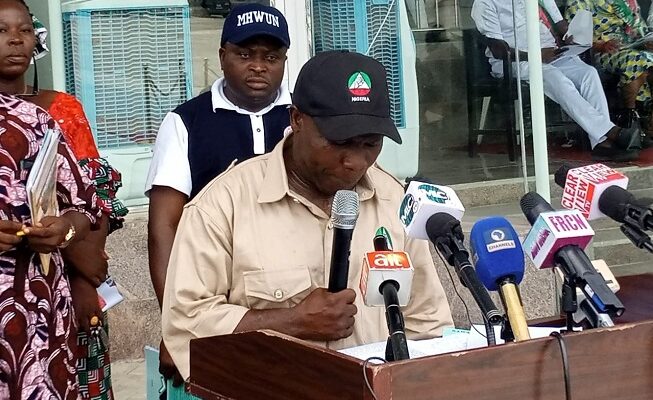
The workshop—organised with the Nigerian Union of Journalists (NUJ) and themed around strengthening Nigeria’s Anti-Corruption Strategy—spotlighted the media’s role not just as observers, but as active participants in governance oversight.
Stakeholders at the event warned that corruption remains one of the most significant barriers to Nigeria’s development aspirations. From eroded public trust to weakened institutions and stalled infrastructure, its impact continues to ripple across sectors.
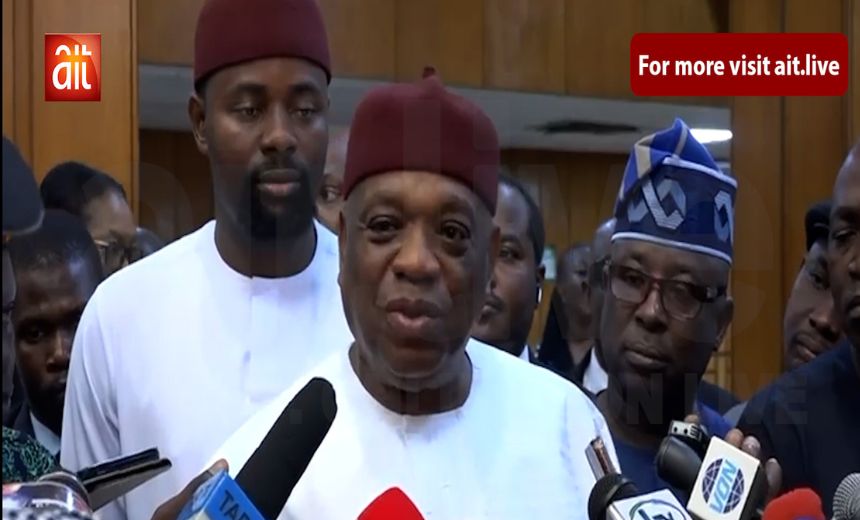
Chairman of the Senate Committee on Anti-Corruption and Financial Crimes, Senator Emmanuel Udende, described corruption as a systemic threat, while pledging legislative backing to reinforce transparency and oversight.
Media leaders, including heads of the News Agency of Nigeria (NAN) and the Nigerian Television Authority (NTA), pushed for stronger collaboration, arguing that sustained public awareness and civic engagement are essential to building a culture of accountability.
NUJ President, Dr. Kole Shettima, went a step further, calling for a transition from “talk to action,” urging measurable cooperation that delivers real institutional change.
The underlying question, however, remains: can tracking alone fix Nigeria’s deep-rooted accountability gaps?
While the ICPC’s expanding oversight signals progress, it also exposes the magnitude of the problem—where trillions of naira in public funds must be closely watched to ensure they serve their intended purpose.
For citizens, the implications are direct. Every tracked project represents not just a budget line, but a road, school, or hospital that must be delivered.
In that sense, the Commission’s latest disclosure is more than a report—it is a snapshot of Nigeria’s ongoing accountability test, where transparency, enforcement, and public vigilance must converge to turn spending into development.
ICPC flags 950 projects, ₦21trn as Nigeria faces accountability test