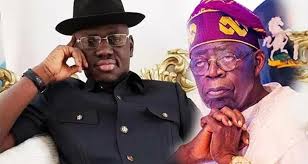
A former spokesman of the All Progressives Congress, Timi Frank, has ignited fresh controversy with sweeping allegations against President Bola Ahmed Tinubu, claiming the administration is quietly steering Nigeria toward a Lagos-centric power structure—including a long-term plan to relocate the nation’s capital from Abuja to Lagos.
In a blistering statement released Monday, Frank described what he called a “pattern of calculated decisions” allegedly designed to concentrate political and economic influence in Lagos, warning that such a trajectory could deepen national divisions.
Frank argued that key federal appointments, infrastructure priorities, and investment decisions under the current administration appear heavily skewed, raising concerns about fairness and national balance.
“We don’t need a one-sided president,” he said. “We need leadership that reflects equity, justice, and inclusiveness across all regions.”
He warned that the perceived imbalance risks eroding trust and weakening Nigeria’s fragile unity.
Stronger Than Past Allegations
In a pointed comparison, Frank claimed the current trend surpasses criticisms levelled against past administrations, including that of Muhammadu Buhari.
According to him, the scale of alleged imbalance in appointments and development initiatives represents “the worst form of nepotism” Nigeria has witnessed.
Frank also raised red flags over multiple Memoranda of Understanding (MOUs) and foreign loan agreements, alleging that many are tied to projects concentrated in Lagos with little visible nationwide benefit.
He questioned the absence of parallel investments in key sectors across other regions—particularly agriculture in the North, industrialisation in the South-East, and oil and gas expansion in the South-South.
UK Port Deal Under Fire
The activist singled out a reported £746 million port refurbishment agreement with the United Kingdom, describing it as economically skewed.
He claimed the structure—requiring significant sourcing from British firms—could leave Nigeria burdened with debt while foreign companies reap most of the benefits.
“Nigeria must not become a dumping ground for exploitative arrangements disguised as partnerships,” he warned.
Coastal Highway Controversy
Frank further criticised the ongoing coastal highway project, alleging a deviation from the original master plan conceived under late President Umaru Musa Yar’Adua.
He argued that instead of commencing from the Niger Delta as initially designed, the project’s take-off from Lagos suggests political motivations tied to the 2027 electoral cycle.
“A Nation Growing More Divided”
Beyond policy, Frank painted a grim picture of a country increasingly fractured along regional and ethnic lines.
He alleged a deliberate pattern of economic marginalisation in certain regions, warning that such dynamics could weaken citizens ahead of future elections.
“There is an unprecedented level of division among Nigerians,” he said.
Frank urged Nigerians to scrutinise government policies, loans, and international agreements more closely, stressing the need for transparency and accountability.
He also called on institutions and stakeholders to safeguard national interest and prevent any erosion of sovereignty.
While the claims are yet to receive official response, they strike at the heart of Nigeria’s long-standing sensitivities around power balance, federal character, and national cohesion.
At stake, observers say, is not just policy direction—but the broader question of whether governance can remain visibly fair in a deeply diverse nation.
Capital relocation fears as Frank blasts Tinubu’s alleged agenda