
By High Chief Peter Ameh
The continuous, unmitigated cycle of failure has severely damaged the human capital capacity of Kogi State.
Unlike Abia State, Kogi occupies a uniquely strategic position in Nigeria. It borders nine states and the Federal Capital Territory (FCT), making it the most geographically interconnected state in the country. In any serious development-driven administration, this advantage alone should translate into visible economic activity, infrastructure growth, and social progress.
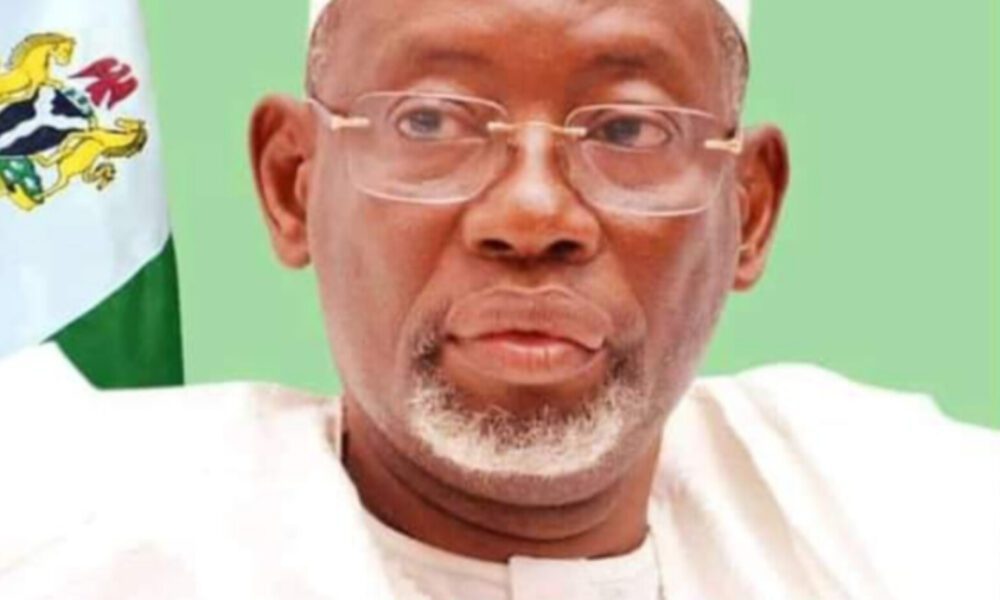
Sadly, instead of tangible achievements, huge public funds are reportedly being spent on producing and airing glossy documentaries on Channels Television to promote the administration. If Governor Usman Ododo had truly delivered quality governance, the evidence would speak for itself. Development does not need paid advertisements to be noticed.
Real progress travels faster than television commercials. It is shared freely by commuters passing through a state, traders doing business, and residents whose daily lives have improved. This is exactly what is happening in Abia State under Governor Alex Otti—where achievements are spreading like wildfire without media hype. The people themselves have become the loudest advertisers, telling stories of transformative infrastructure, improved governance, and welfare reforms
In Kogi, however, the administration’s first two years have produced more congratulatory messages than measurable, widespread impact. Much of the praise appears to come from political appointees, close allies, friends, and family members who benefit directly from the system—not from ordinary citizens experiencing real change.
Worse still, pensions and gratuities remain unpaid. When retirees—who gave their productive years to the state—are abandoned, how can anyone reasonably speak of good governance? How are they expected to survive?
Governance is not about propaganda; it is about people. And until the lives of ordinary Kogi citizens improve, no amount of paid media coverage can mask the truth.