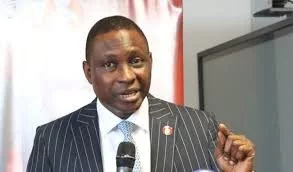
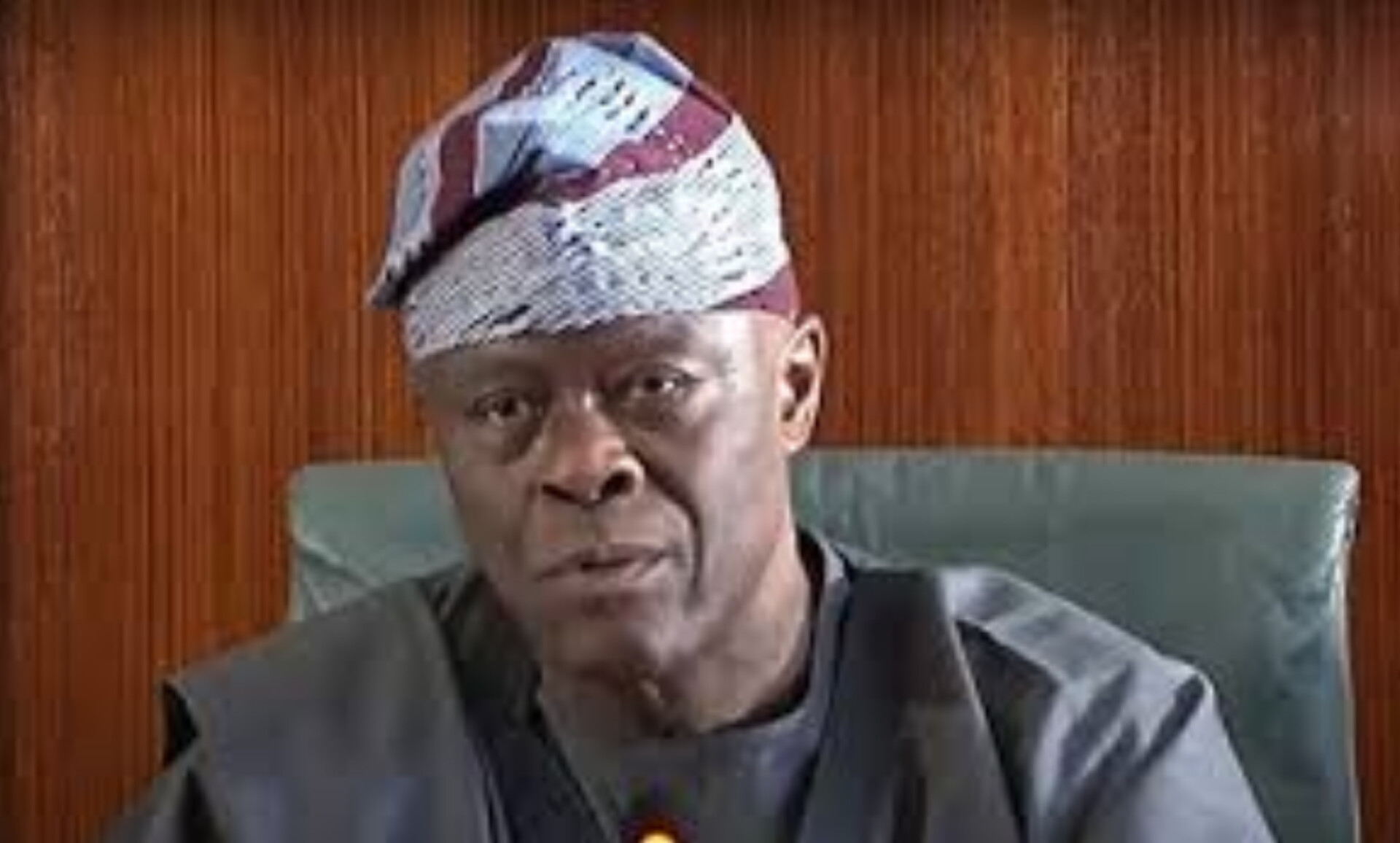
The Chairman of the Economic and Financial Crimes Commission (EFCC), Ola Olukoyede, has insisted that the corruption cases involving former Kogi State Governor Yahaya Bello remain firmly before the courts, stressing that the anti-graft agency has completed its investigative and prosecutorial responsibilities.
Olukoyede, who had earlier vowed to resign if Bello was not prosecuted, said he has honoured that commitment by personally overseeing the investigations and filing multiple charges against the former governor.
“If I do not personally oversee the completion of the investigation regarding Yahaya Bello, I will tender my resignation,” Olukoyede had declared in April 2024.
Responding to public concerns over the pace of the trial, the EFCC chairman explained that the matter is now strictly within the jurisdiction of the judiciary.
“Have I not fulfilled that promise? Is Yahaya Bello not being prosecuted? The case is still in court,” Olukoyede said during an exclusive interview on Channels Television’s Sunday Politics.
He disclosed that the EFCC has instituted three separate cases against Bello and emphasised that the commission is not responsible for determining conviction.
“I am not the judge. I have done my work and fulfilled my mandate. Nigerians must understand that investigations have been concluded, charges have been filed, and the cases are progressing,” he said.
Bello is currently facing a 16-count charge involving alleged property fraud amounting to ₦110 billion, alongside two co-defendants, Umar Oricha and Abdulsalami Hudu. He is also standing trial at the Federal High Court on 19 additional counts of alleged ₦80.2 billion fraud and money laundering.
The EFCC had earlier declared Bello wanted in April 2024 over alleged financial crimes before his eventual arraignment.
Olukoyede further revealed what he described as one of the most troubling aspects of the case: the alleged transfer of $720,000 from Kogi State government funds to a bureau de change as advance payment for the former governor’s child’s school fees shortly before leaving office.
“A sitting governor, knowing he was leaving office, moved government money directly to a bureau de change to prepay his child’s school fees—$720,000 in advance,” Olukoyede said.
“In a poor state like Kogi, you expect me to close my eyes to that? Under what justification? Being used by who at this stage of my life?” he added.
The EFCC chairman maintained that the commission’s actions were guided solely by evidence and the law, not political influence, and reaffirmed the agency’s commitment to pursuing corruption cases without fear or favour.
With prosecution concluded, Olukoyede said the final outcome now rests with the courts, as Nigerians await judicial determination in one of the country’s most closely watched corruption cases.
‘I’ve Done My Work’— EFCC Chair Insists as Bello’s Case Remains in Court