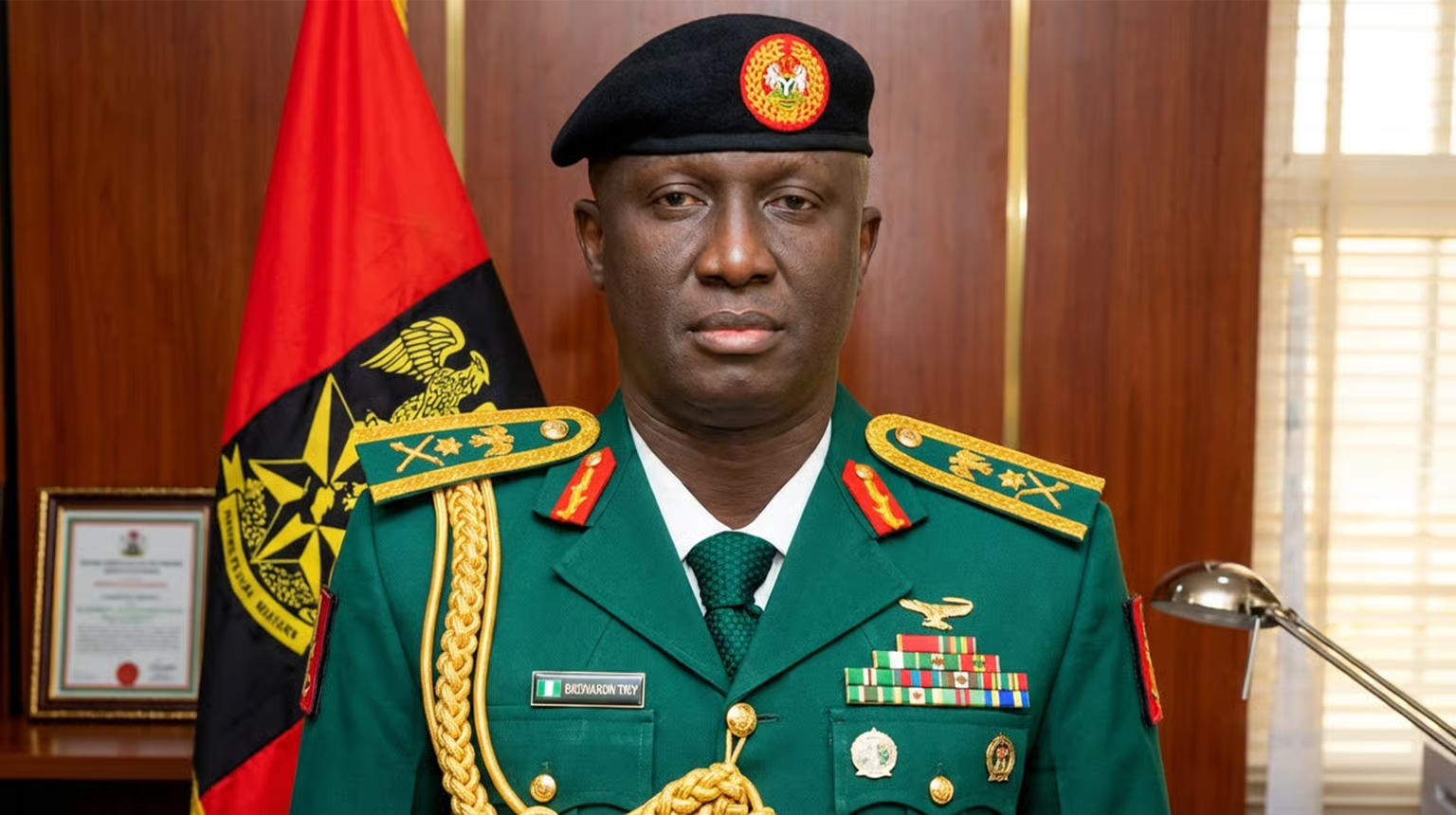
The Chief of Army Staff (COAS), Lt.-Gen. Waidi Shaibu, has reaffirmed the Nigerian Army’s resolve to restore stability across the country, even as fresh security incidents and policy debates highlight the need for broader reforms beyond military action.
Shaibu spoke in Minna, Niger State, during the opening of the 2026 Doctrine and Training Conference at the Nigerian Army’s Doctrine and Training Command (TRADOC), where senior officers gathered to review operations and fine-tune strategies for the year ahead.
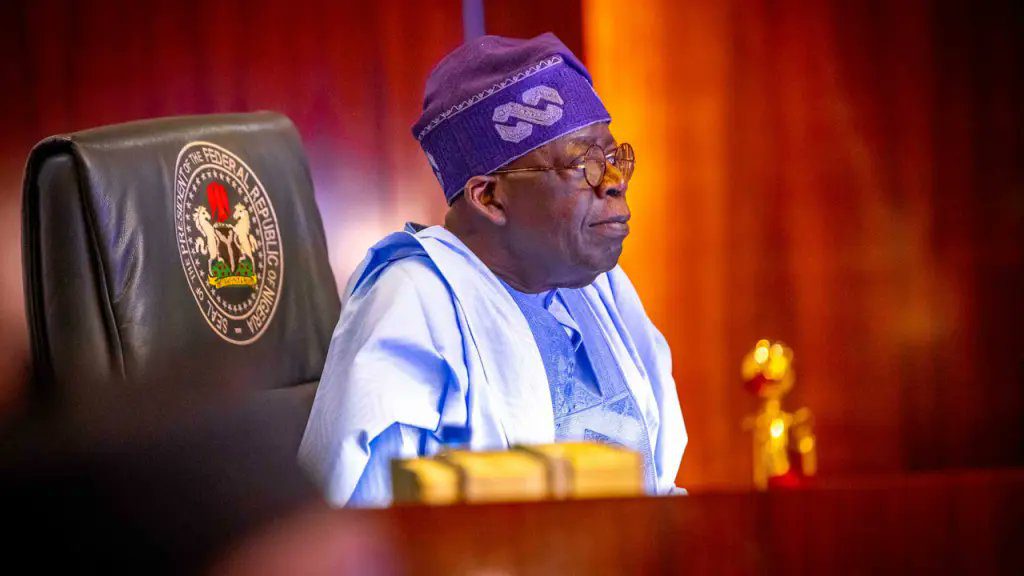
He said the Army remains fully committed to executing President Bola Tinubu’s directives to curb terrorism, particularly in the northern region, stressing that training and doctrine must continuously adapt to Nigeria’s evolving security challenges.
“The essence of this conference is to review our activities, learn from field experiences and develop workable strategies suited to today’s complex operational environment,” Shaibu said.
Earlier, the Commander of TRADOC, Maj.-Gen. Peter Malla, described the conference as the formal kick-off of Army training activities for 2026.
As military leaders project confidence, security analysts are warning that troop deployment alone may not deliver lasting peace.
A new report by public policy think-tank, Nextier, cautioned that Nigeria’s recently declared national security emergency could fall short without complementary reforms such as state policing and the structured deployment of forest guards.
The report, authored by governance and peace-building expert Dr Ndidi (Anyanwu) Njoku, argued that insecurity in Nigeria has become increasingly mobile and economically motivated, thriving in governance gaps and ungoverned spaces.
While acknowledging the political significance of President Tinubu’s November 26, 2025, declaration, the analysis warned that reliance on troop expansion risks turning the emergency into a short-term, reactive response.
Meanwhile, the Institute for Peace and Conflict Resolution (IPCR) has called for closer collaboration between citizens and security agencies, noting that community intelligence remains critical in defeating criminal networks.
In a statement signed by its Director-General, Joseph Ochogwu, the institute described recent attacks in Agwara and Borgu local government areas of Niger State as desperate acts by bandits and insurgents under sustained pressure from security forces.
Security concerns deepened in Niger State following the discovery of an explosive device near Ganaru village in Mashegu Local Government Area.
Farmers reportedly spotted the device while heading to their fields and raised the alarm on January 5. Local authorities said the area was quickly secured to prevent casualties.
Confirming the incident, Niger State Commissioner of Police, Adamu Elleman, said bomb disposal experts were deployed and clarified that only one explosive device was found.
Residents were urged to remain calm and continue their daily activities, as security agencies moved to neutralise the threat.
Amid the heightened security situation, the Niger State Government has announced a cautious reopening of schools.
Commissioner for Basic Education, Dr Hadiza Asebe Mohammed, said only schools cleared by security agencies would resume on January 12.
According to her, schools in Chanchaga, Suleja, Bida and parts of Bosso local government areas—considered safe—have been approved to reopen, while others remain closed pending further security assessments.
As Nigeria battles persistent insecurity, the contrast between military assurances and policy calls for structural reform underscores a central challenge: how to balance immediate force with long-term solutions.
For communities affected by violence, the effectiveness of that balance will define not just policy success, but everyday safety and stability.
COAS Assures Nigerians of Stability as Security Debate