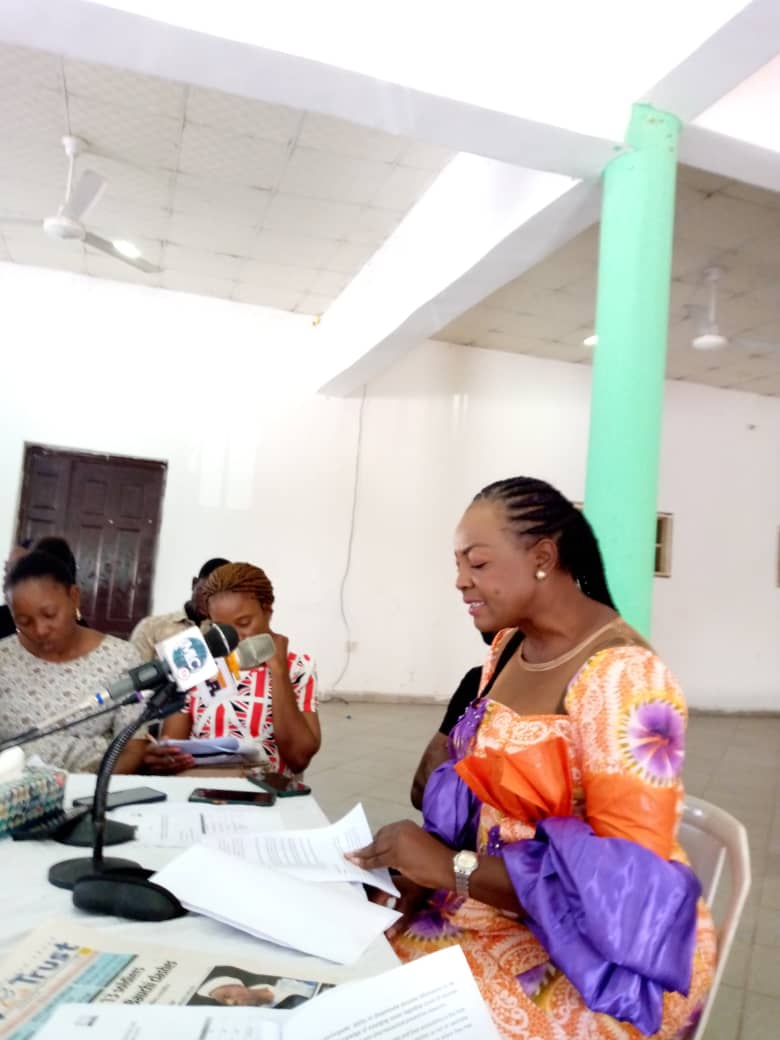
The Health Reform Initiative Nigeria (He-RIN) has raised fresh concerns over the SNG Health Agreement signed with the Federal Ministry of Health, warning that the deal could undermine Nigeria’s local mosquito net manufacturing capacity and weaken efforts to reduce the country’s malaria burden.
In a statement issued on Wednesday, the civil society organisation said the agreement, which produced a partnership between Vestergaard and Harvestfield under the SNG Health platform, risks entrenching foreign dominance in the supply of insecticide-treated mosquito nets at the expense of Nigerian manufacturers.
He-RIN argued that Nigeria’s continued struggle with malaria reflects deeper structural failures in health policy, including overreliance on imported interventions, weak support for domestic production and opaque procurement practices. It noted that Nigeria remains the world’s most malaria-burdened country, accounting for more than a quarter of global cases and nearly a third of related deaths, despite years of donor-funded interventions.
The group said substantial resources from the Global Fund, the World Bank, USAID and other partners have been channelled into malaria control programmes, particularly the distribution of insecticide-treated nets, but with limited long-term impact due to policy inconsistency and the marginalisation of local capacity.
He-RIN also highlighted chronic underfunding of the health sector, noting that annual allocations remain far below the 15 per cent Abuja Declaration target. According to the organisation, this financing gap has further constrained investment in primary healthcare and local manufacturing.
The group alleged that plans concluded in 2022 to support local production of mosquito nets through a competitive process were abandoned, creating a vacuum now filled by the SNG Health arrangement. It argued that this approach contradicts the Federal Government’s stated commitment to local content, job creation and health system resilience under President Bola Tinubu’s Renewed Hope Agenda.
He-RIN maintained that Nigerian manufacturers, some of which previously supplied internationally certified nets to global donors, could meet national demand if given fair access to contracts, financing and policy support. It warned that prioritising a narrow set of suppliers could distort the market and weaken competition.
Calling for urgent presidential intervention, the organisation urged President Tinubu to review the SNG Health agreement, strengthen transparency in malaria procurement and reinstate policies that support domestic production of life-saving health commodities.
According to He-RIN, protecting and expanding local mosquito net manufacturing would not only save foreign exchange and create jobs, but also provide a more sustainable pathway to reducing malaria-related deaths in Nigeria.
Group Faults SNG Health Deal, Urges Tinubu to Protect Local Mosquito Net Industry