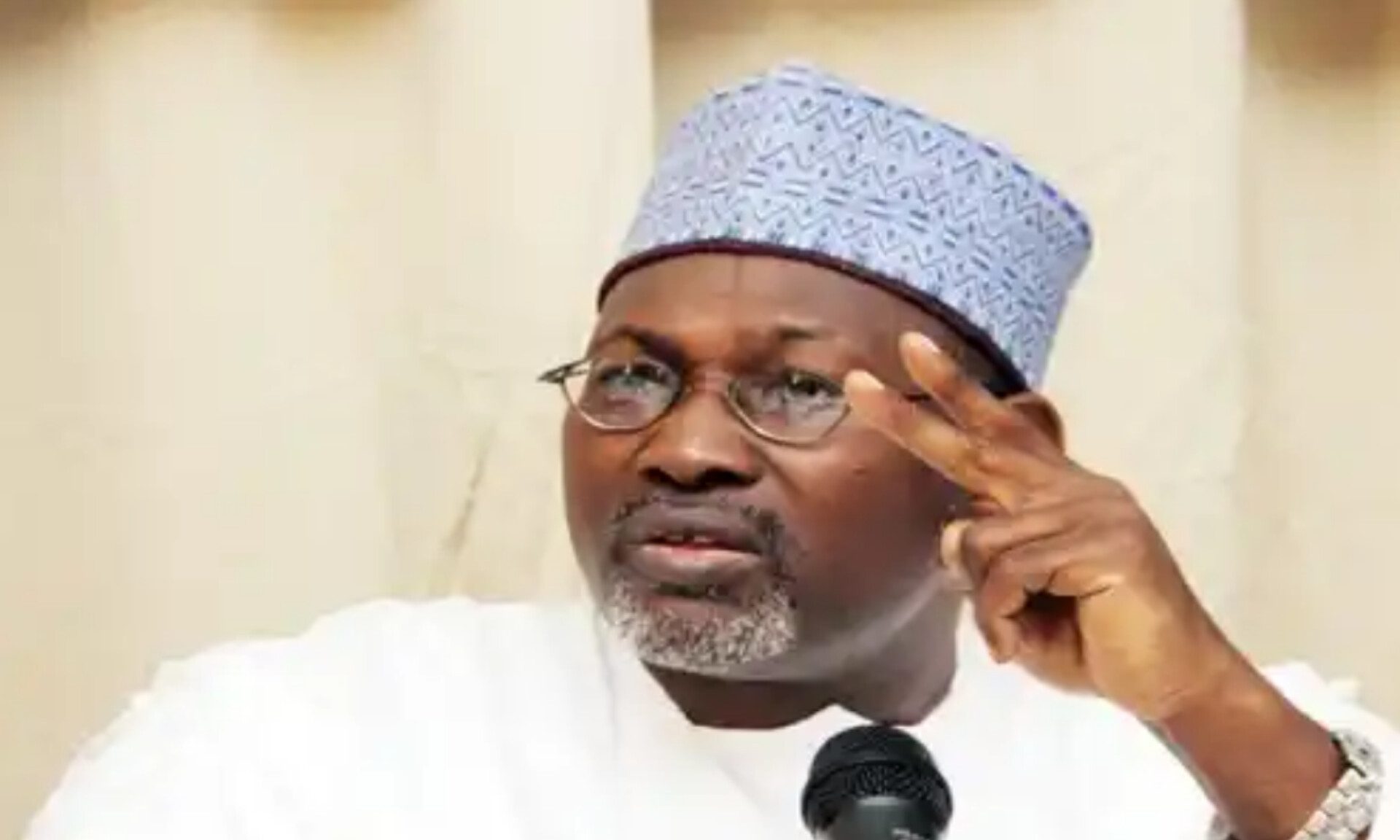
Renowned academic and former INEC Chairman, Professor Attahiru Muhammadu Jega, has called for an urgent overhaul of leadership appointments in Nigerian universities, warning that political interference is undermining the nation’s higher education system.
Speaking at the 3rd Abdullahi Mahadi Annual Memorial Lecture at Gombe State University, titled “Challenges and Prospects of Improving University Governance in Nigeria,” Professor Jega highlighted the dangers of prioritizing politics over competence in university leadership.
“A university is a hub of knowledge, research, and innovation—not a political platform,” he said. “Appointments driven by political considerations weaken governance, erode staff morale, and compromise academic standards.”
The former Vice-Chancellor of Bayero University, Kano, stressed that transparent, merit-based selection of vice-chancellors, governing council members, and other principal officers is essential to restore confidence in Nigerian universities. “We need leaders chosen for their vision, integrity, and expertise—people capable of driving education that produces globally competitive graduates,” he said.
Jega also drew attention to Nigeria’s broader education crisis: millions of out-of-school children, dwindling academic standards, and rising administrative inefficiencies. According to him, insulating universities from political pressures is key to reversing these trends and unlocking the sector’s full potential.
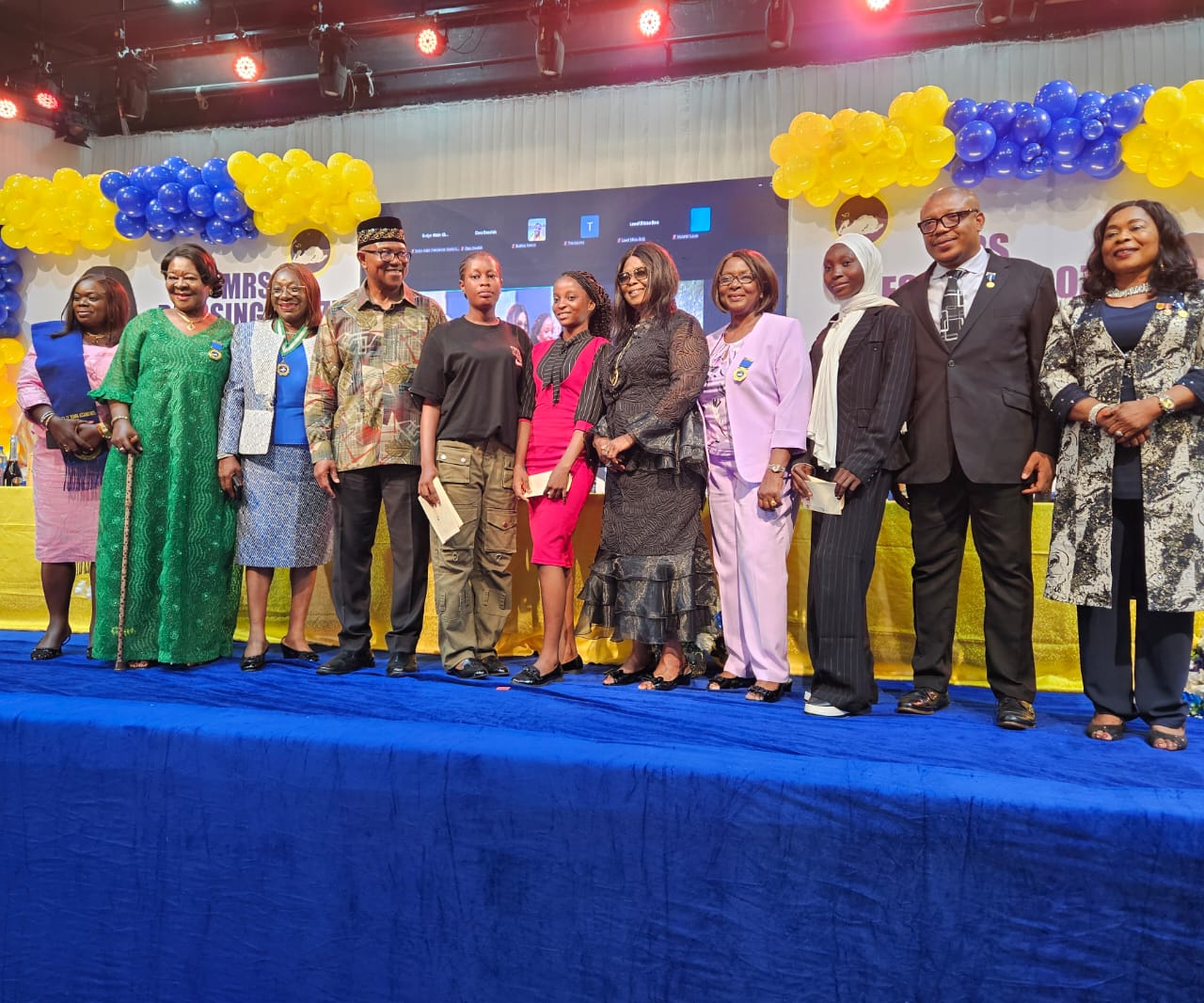
The lecture, held in honor of the late Professor Abdullahi Mahadi, pioneer Vice-Chancellor of Gombe State University, attracted policymakers, academics, students, and education stakeholders, including Deputy Governor Dr. Manassah Daniel Jatau.
In his remarks, Professor Umaru Pate, Vice-Chancellor of the Federal University of Kashere, lauded Gombe State University for sustaining the memorial lecture series, describing it as a critical platform for addressing pressing issues in university governance.
Highlighting Mahadi’s legacy, Pate noted the late scholar’s lasting contributions to scholarship, leadership, and institutional development, stressing that his vision continues to inspire efforts to strengthen higher education in Nigeria.
As Nigerian universities face growing challenges, Jega’s call for meritocracy and professional integrity serves as a clarion call to policymakers and education leaders: the future of the nation’s higher education rests on leadership that values competence over politics.
Jega Urges Meritocracy to Rescue Nigerian Universities from Political Interference