
***Aims to Resolve All Election Cases Ahead of Swearing-In
***Stakeholders rally for full electronic voting, result transmission
Nigeria’s election calendar may soon be rewritten, with the National Assembly proposing to hold the 2027 presidential and governorship polls in November 2026 — a significant departure from the usual election timeline.
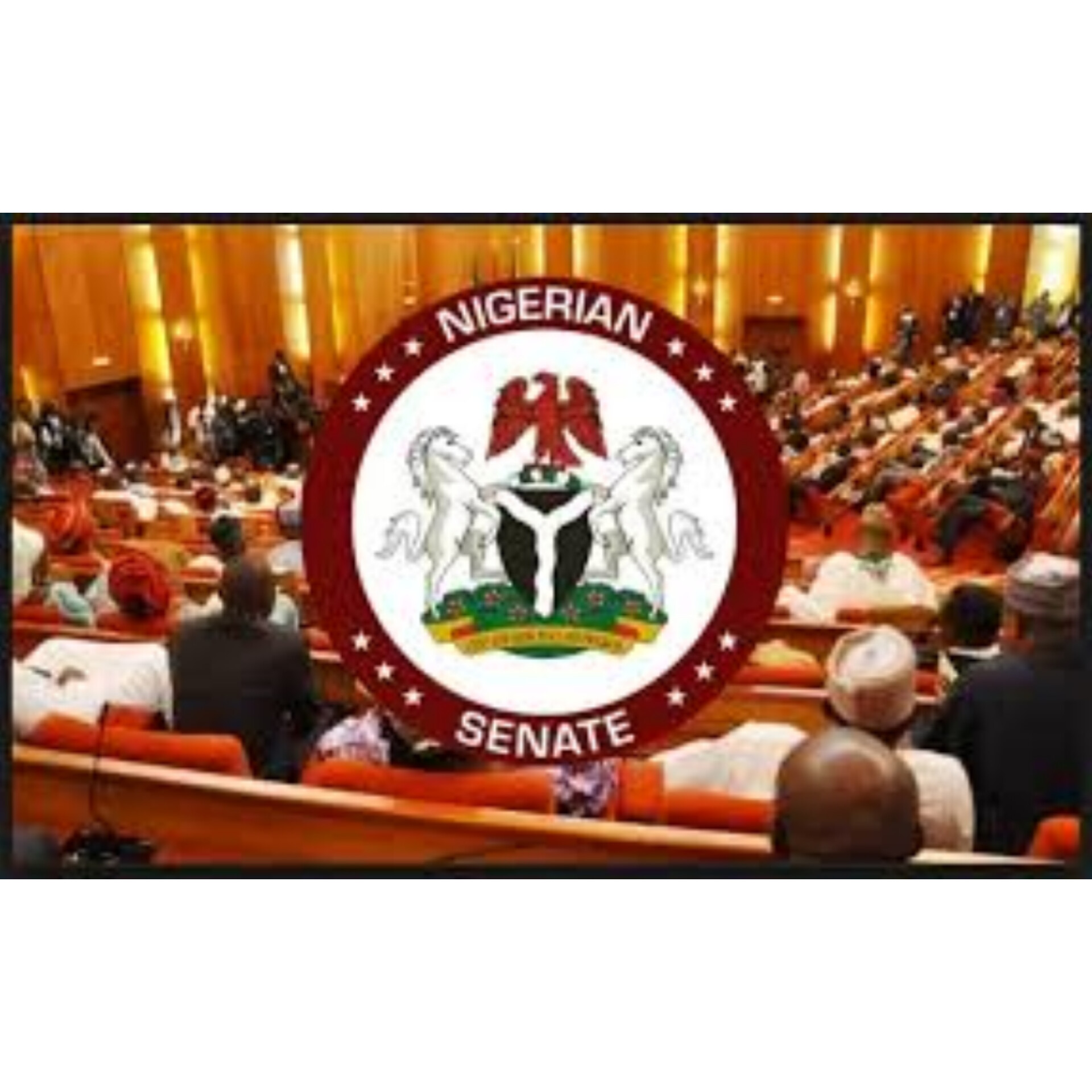
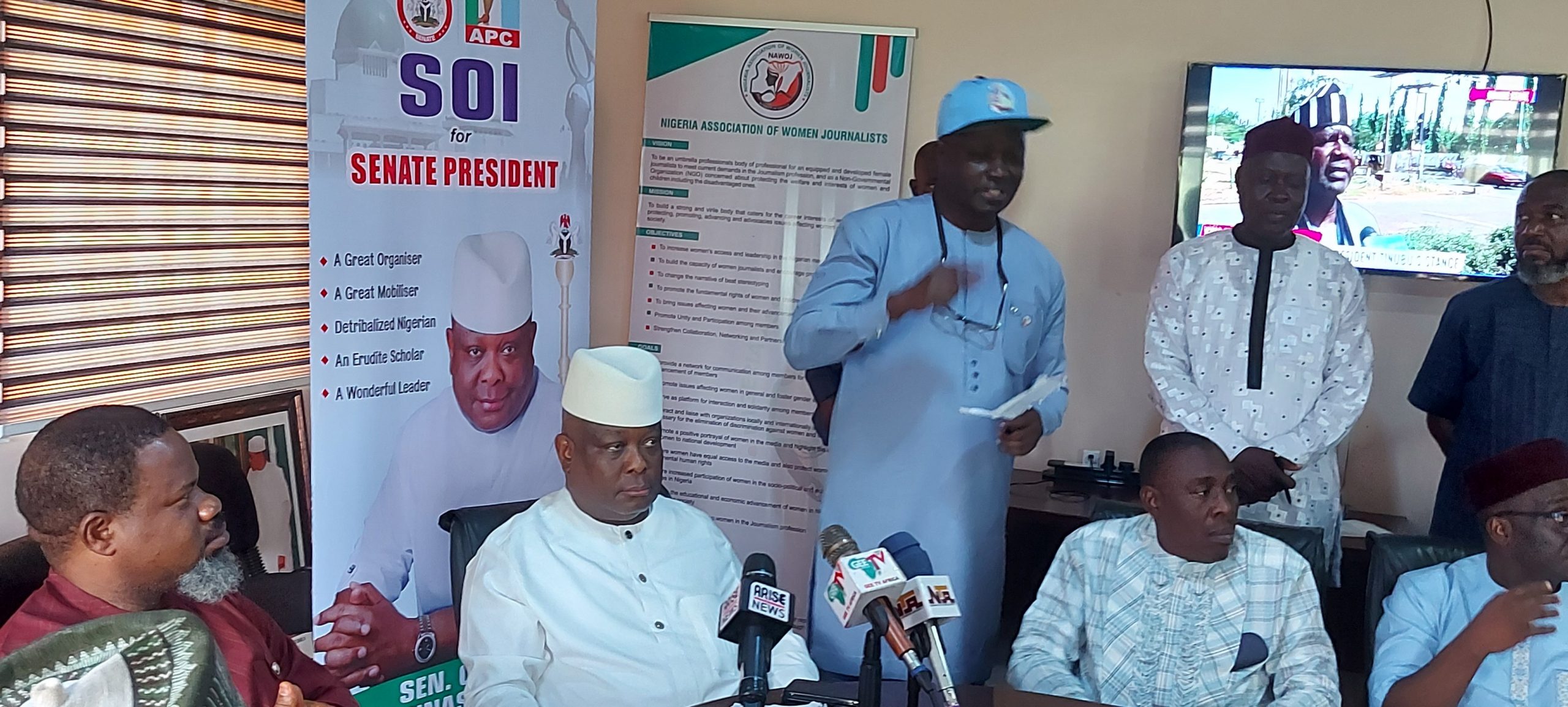
The proposal, contained in the Electoral Act (Amendment) Bill 2025, was presented on Monday during a public hearing jointly organized by the Senate and House Committees on Electoral Matters in Abuja.
If passed, it would mark the most significant change in Nigeria’s electoral calendar since 1999—replacing the traditional February–March elections with November polls, effectively giving the courts six months to conclude all petitions before the May 29, 2027 handover.
The draft amendment proposes that elections into the offices of President and Governor be conducted not later than 185 days before the end of the incumbents’ tenure.
Section 4(7) of the proposed law states:
“Elections into the office of the President and Governor of a State shall be held not later than 185 days before the expiration of the term of office of the last holder of the office.”
By simple calculation, that timeline translates to November 2026 for the next presidential and gubernatorial contests.
A similar clause, Section 4(5), sets the same 185-day rule for elections into the National Assembly and State Houses of Assembly, ensuring a synchronised election timetable nationwide.
Chairman of the House Committee on Electoral Matters, Hon. Adebayo Balogun, said the proposed shift is anchored on one goal — ending the era of politicians being sworn in while still entangled in court battles.
“Our aim is to conclude all election petitions before May 29. We are proposing a reduced timeline for tribunals — from 180 to 90 days, appeals to 60 days, and Supreme Court judgments within the remaining window. That way, no one takes office with a pending case,” Balogun explained.
To give legal backing to the change, lawmakers also plan to amend Sections 285 and 139 of the 1999 Constitution, which currently outline election petition procedures.
Beyond the new dates, the public hearing turned into a resounding call for digital reforms in Nigeria’s election system.
Stakeholders—including the Independent National Electoral Commission (INEC), civil society organisations, and political parties—pushed for the mandatory use of electronic voting and real-time transmission of results, saying it would deepen transparency and rebuild public trust.
Section 60(5) of the proposed amendment mandates that:
“The Presiding Officer shall transmit election results, including the total number of accredited voters, to the next level of collation both electronically and manually.”
To enforce compliance, any officer who fails to transmit results or issues unstamped result sheets faces one-year imprisonment, a ₦1 million fine, or both.
Another innovation in the bill is the introduction of early voting—a provision that allows security personnel, INEC officials, accredited observers, journalists, and ad-hoc staff to vote up to 14 days before election day.
This measure, lawmakers say, ensures that those working during the polls are not disenfranchised.
At the public hearing, the mood was one of rare alignment among key players.
INEC’s representative, Prof. Abdullahi Zuru, described the proposals as timely and forward-looking, saying early polls and digital voting would “enhance operational planning and boost credibility.”

Civil society groups and political parties echoed similar sentiments, calling the reforms “a bold step towards credible, court-free transitions.”
If the proposed amendments sail through, Nigeria’s next elections will be conducted under a new playbook — earlier, smarter, and cleaner.
For a country long plagued by post-election tension and prolonged litigations, the reforms promise something rare: certainty and closure before the oath of office.
“This is not just a change of date — it’s a change of destiny for Nigerian elections.” One observer at the hearing stated.
7lvl6c