


By John Akubo
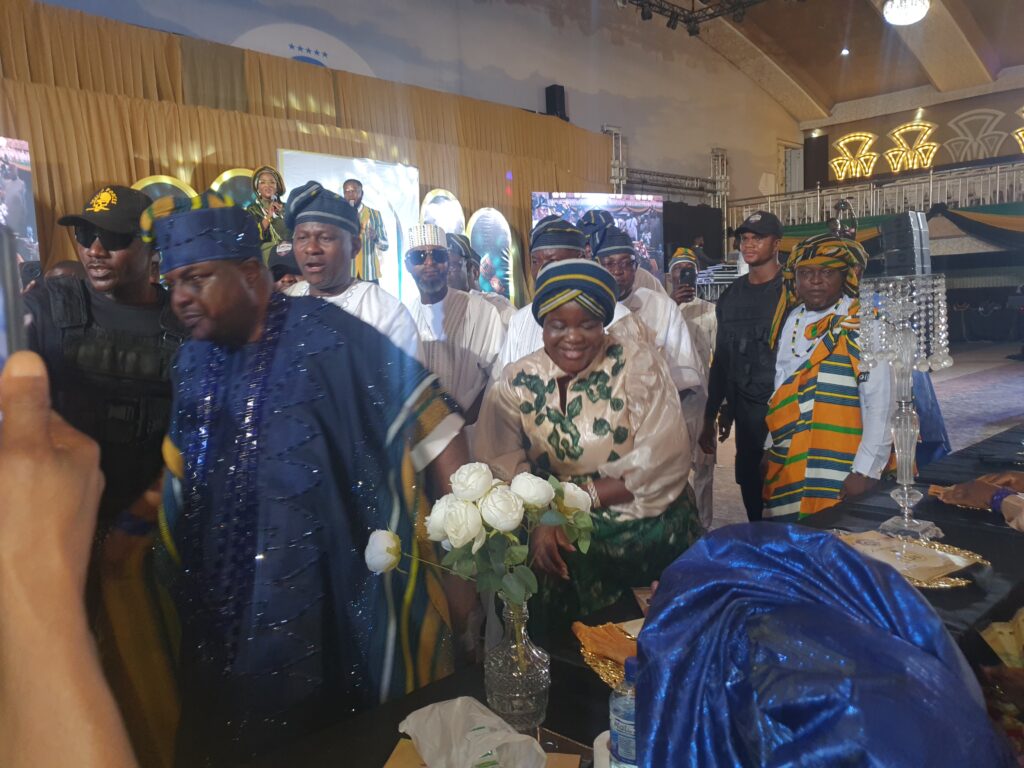
Last Saturday, October 4th, 2025, the Chida International Hotel Event Centre in Utako, Abuja, became a tapestry of color, culture, and history. Sons and daughters of the Igala nation gathered in numbers that reflected pride, curiosity, and anticipation. At the heart of the gathering was a story thirty years in the making — the story of Who’s Who in Igala Land, the compendium and platform that has chronicled the lives and achievements of Igala elites for three decades.
This anniversary was not just a celebration of individual brilliance. It was a reflection of a people whose achievements have often reached national and even international heights, yet whose homeland continues to lag in development. It was a gathering that highlighted both pride and paradox, with Chief Hilary Edime Amodu standing at the center as a unifying symbol.
Thirty years ago, Chief Amodu envisioned a project that many would have considered impossible. In an era when the internet was a luxury, mobile phones were rare, and letters via NIPOST were the main form of communication, he began documenting the lives of Igala achievers. The first edition of Who’s Who in Igala Land was painstakingly produced on typewriters, each page a testament to meticulous labor and unwavering commitment.
As one attendee put it, “Walking the path of Hilary Amodu is like climbing a mountain blindfolded — the obstacles are many, the terrain is unforgiving, yet he persisted.” And persist he did, for thirty years, preserving the stories of excellence and creating a platform for mentorship, inspiration, and unity.


The anniversary was filled with jubilant moments — the warm applause for achievers, the laughter over shared anecdotes, the selfies and handshakes that connected generations. Yet, beneath the surface, voices of reflection and gentle rebuke resonated.
Professor Alewo Johnson Akubo, Vice-Chancellor of Salem University Lokoja, delivered a keynote that shook the hall in both admiration and sober truth. He reminded the audience that while Igala Land has produced governors, ministers, scholars, and business leaders, the land itself still bears the scars of neglect. Broken roads, dilapidated schools, underfunded hospitals — these realities underscored the paradox of a people who are giants in influence but underdeveloped in their homeland.
Akubo’s words were stark: “Echoes in an empty hall evoke greatness without impact. We are heard, but are we felt? We are celebrated, but are we transformative?”
The event also amplified voices of success and inspiration. Young achievers shared stories of academic and professional excellence, while elders recounted the sacrifices of forebears who defended communities and upheld the honor of Igala Land. In arts, culture, and sports, the narrative of pride was clear: the Igala people are capable, creative, and resilient.
Yet, as the chairman of the ocation, Tony Okpanachi, CEO of the Development Bank of Nigeria, reminded attendees, recognition alone cannot build infrastructure, create jobs, or deliver lasting development. Leadership must translate into investment — in education, industry, health, and mentorship. Achievement without action is incomplete, he emphasized.
Perhaps the most compelling message of the day was about unity. Fragmented associations, competing interests, and internal rivalries have long weakened Igala influence. Unlike other Nigerian ethnic groups with strong, coordinated platforms, the Igalas have often operated in silos. Chief Amodu’s initiative, however, transcends factionalism. By celebrating achievement across political, professional, and cultural lines, Who’s Who in Igala Land provides a neutral platform for recognition, dialogue, and cohesion.
As Akubo warned, “Talent alone is not enough. Without collective vision and action, we remain echoes in an empty hall.” The gathering thus became more than a ceremony — it was a clarion call for coordinated effort, mentorship, and the deliberate nurturing of future leaders.
A recurring theme throughout the event was the need to invest in youth. Igala Land’s young people are its greatest resource, yet they are often left without mentorship, opportunity, or pathways to influence their communities. The anniversary highlighted stories of young leaders in business, education, and the arts — a reminder that talent exists in abundance.
However, as Akubo and Okpanachi stressed, the region must provide more than recognition. It must create systems that allow these young people to thrive locally: vocational training centers, entrepreneurial hubs, scholarships, and local industries that absorb talent and transform communities.
The voices of critique were as important as the voices of celebration. The gathering did not shy away from hard truths:
Political ambition often eclipses collective strategy, with multiple aspirants splintering votes and weakening bargaining power.
Development is frequently reduced to vanity projects — fuel stations, hotels, or personal estates — rather than infrastructure, education, or health services.
Mentorship is scarce, with the “PHD syndrome” — Pull Him Down — undermining emerging talent.
These issues, once addressed, could catalyze a transformation that aligns achievement with impact.
The 30th anniversary of Who’s Who in Igala Land was more than a retrospective; it was a blueprint for the future. Chief Amodu’s work illustrated what vision and perseverance can achieve, but it also challenges every member of the community to convert recognition into action.
Parents, elders, professionals, and leaders were urged to mentor, invest, and hold one another accountable. Opportunities must be created for youth. Industries must be developed. Roads, schools, hospitals, and markets must reflect the potential of Igala Land. And above all, the people must unite, for unity is the only path to sustainable influence and transformation.
By the end of the day, the Chida International Hotel hall had witnessed an extraordinary convergence of pride, reflection, and resolve.
Chief Hilary Edime Amodu stood as a symbol of what one person’s vision can achieve, while the collective voices — celebratory, critical, and aspirational — painted a vivid picture of the state of Igala Land.
The message was clear: the land of giants cannot remain in shadows. The time has come to convert recognition into action, to bind achievement with accountability, and to ensure that the next thirty years bring transformation as tangible as the achievements we celebrate.
May the legacy of Who’s Who in Igala Land inspire action, unity, and development. May the youth inherit opportunity as well as pride. And may Igala Land finally shine not only in the corridors of power but in the daily lives of its people.
2 Comments
ggb200
8k1616