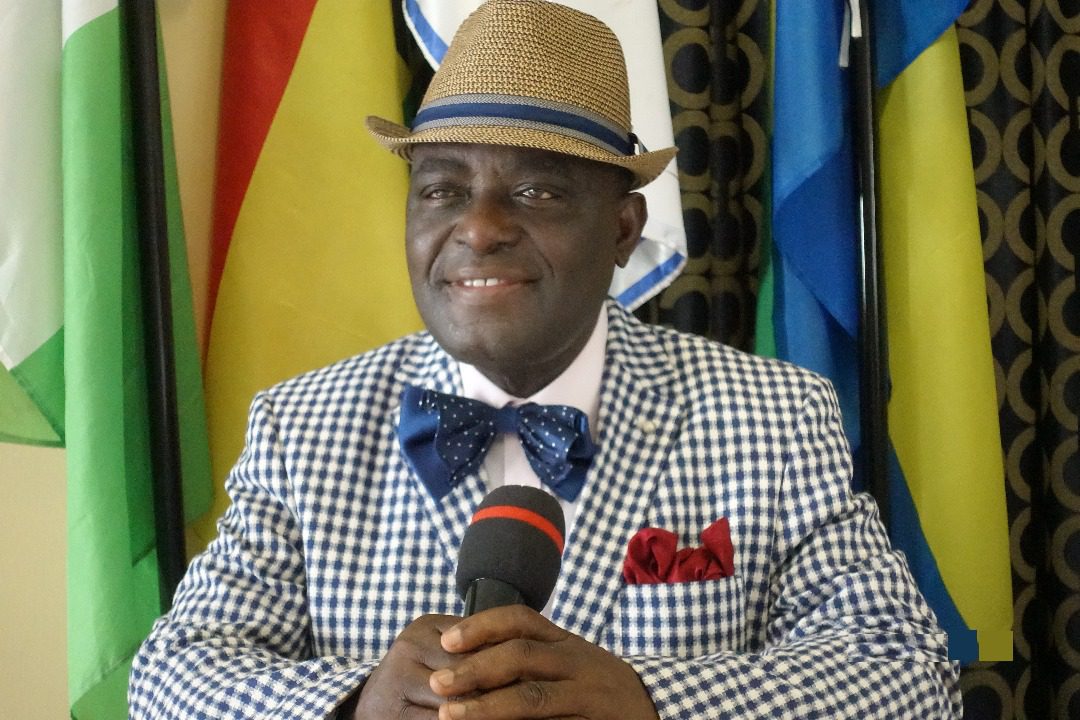
Professor Emeritus Peter Okebukola, former Executive Secretary of the National Universities Commission (NUC) and a pioneer in science education reform, has unveiled a new strategy for delivering STEM education—one he says will finally break Africa’s dependence on imported, ill-fitting teaching methods.
With the development Africa’s science education landscape may be on the cusp of a revolution.
The method, Model-And-Surpass Pedagogy (MSP), debuted at the 2025 International Research Group (IRG) conference, co-hosted by the Commonwealth Association of Science, Technology and Mathematics Educators (CASTME). The four-day conference, which ended September 18, drew educators and researchers from the United States, United Kingdom, Finland, Mauritius, The Gambia, Ghana, Nigeria, Burundi, and Sierra Leone.
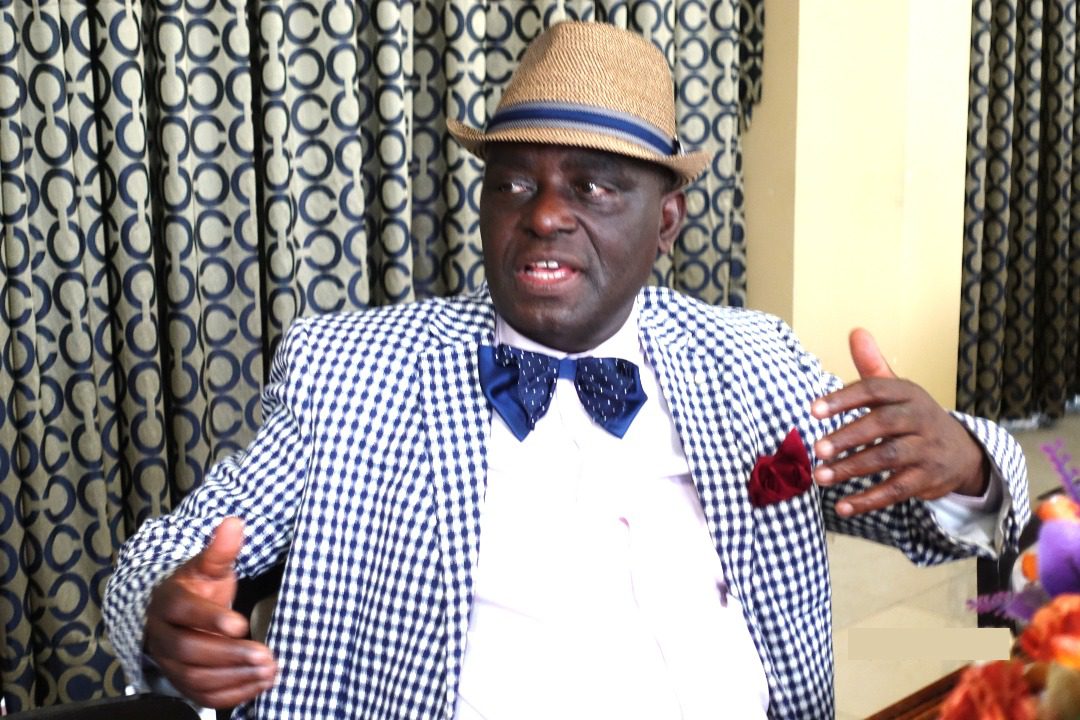
Okebukola—Africa’s first winner of UNESCO’s Kalinga Prize for the Communication and Popularisation of Science, said MSP grew out of decades of frustration with Western-centric teaching methods.
“Our students struggle not because they are incapable,” he explained, “but because many of the methods we use were designed outside our cultural context. MSP challenges students to model great scientists—especially African ones—and to strive to surpass them. It’s about creating ownership, pride, and ambition within STEM learning.”
The seven-step MSP framework invites students to study two scientists’ triumphs and failures before engaging with a new topic. Lessons are then taught through the lens of those scientists’ discoveries, encouraging interactive discussions, experiments, and reflection. Students finish by articulating how they will “model and surpass” the scientists.
Okebukola said MSP builds on his Culturo-Techno-Contextual Approach (CTCA) and Eco-Techno Cultural Theory, which have already gained global traction. A team of researchers from Nigeria, Ghana, The Gambia, and Sierra Leone—under the Africa Centre of Excellence for Innovative and Transformative STEM Education at Lagos State University—will now test MSP’s efficacy.
“Our goal,” he said, “is to contribute meaningfully to the African Union’s Agenda 2063—The Africa We Want. The days of Africa playing second fiddle in STEM enterprise will soon be over.”
Beyond MSP, Okebukola revealed he is working with AI specialists and the National Association of Artificial Intelligence Practitioners to develop a teaching approach rooted in African socio-cultural realities.
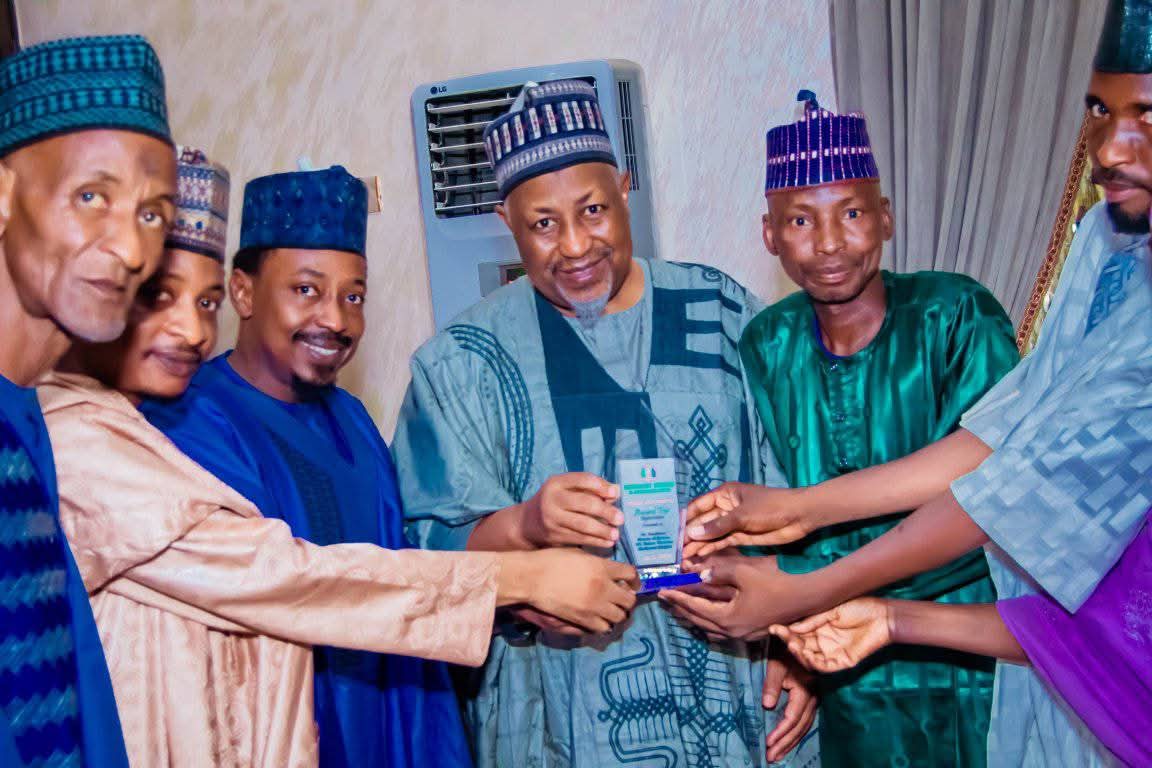
The conference featured keynote addresses from leading scholars—including Professor Jomo Mutegi, Professor Pascal Doh, Professor Uchenna Maristella Nzewi, and Professor Shari Watkins—and honored Okebukola and other global educators for their contributions.
With MSP’s launch, Okebukola has added another innovation to a lifetime of reshaping education. His message was clear: Africa’s future scientists will no longer simply follow global breakthroughs, they will surpass them.
Okebukola Launches New STEM Teaching Model for Africa