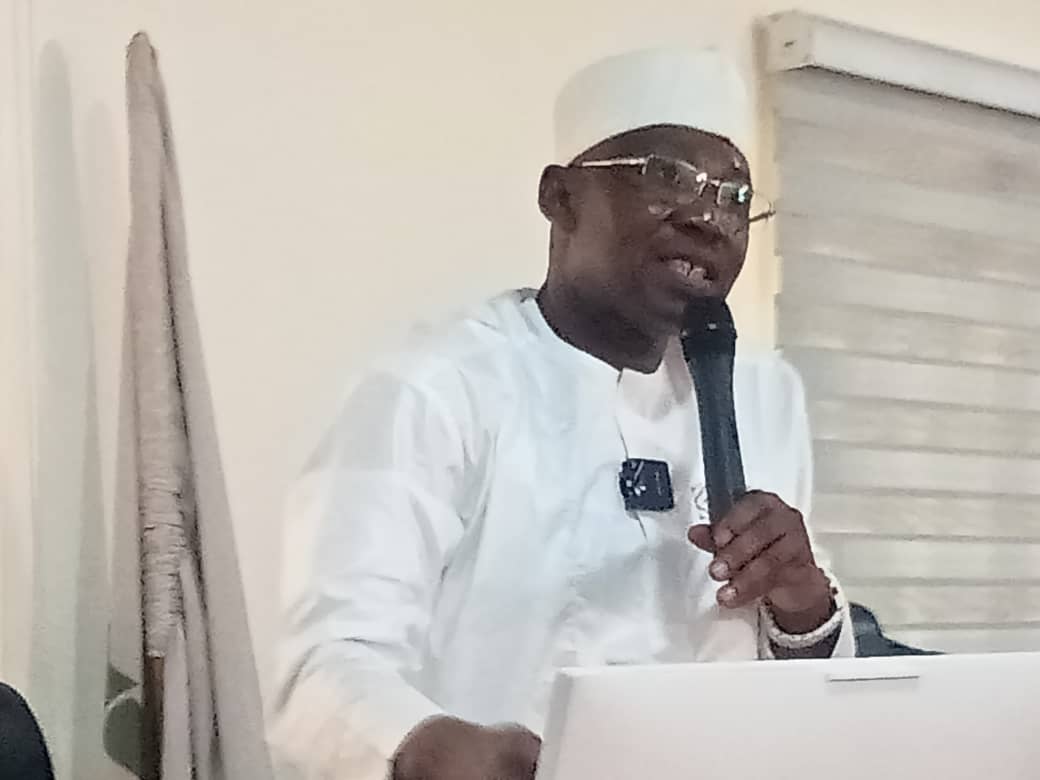

The Federal Government has collected over ₦600 billion in Value Added Tax (VAT) from major global digital service providers including Facebook, Amazon, and Netflix, according to Mr. Mathew Osanekwu, Special Adviser on Tax Policy to the Chairman of the Tax Reforms Committee.
Speaking at a media workshop in Abuja on Wednesday, Osanekwu explained that amendments to Nigeria’s VAT Act empowered the Federal Inland Revenue Service (FIRS) to bring non-resident companies into the tax net.
“These are not Nigerian entities, but they are now paying VAT under Section 10 of the VAT Act. They are registered in Nigeria and also appointed as agents of collection,” he said.

He noted that the measure aligns with global best practices, ensuring Nigeria benefits from taxes on services consumed locally but delivered by foreign companies.
Also addressing journalists, Chairman of the Presidential Committee on Fiscal Policy and Tax Reforms, Prof. Taiwo Oyedele, dismissed speculation that President Bola Tinubu’s fiscal reforms introduced new taxes.
“It’s not a new tax. Some said the tax is being proposed. The tax is not being proposed. Some believe this president has introduced tax after tax, and I challenge them to point to one newly introduced tax,” Oyedele said.
He recalled that in July 2023, barely two months into office, Tinubu suspended four hastily introduced taxes, including excise duties on plastics and vehicle importation.
He further clarified that the much-debated Cybersecurity Levy predates the current administration.
The tax reforms, set to take effect in January 2026, aim to broaden Nigeria’s revenue base, consolidate multiple levies, and improve compliance.
Nigeria’s tax-to-GDP ratio currently stands at about 10.8%, far below the African average of 16% and the global benchmark of 30%.
Under the new framework, individuals earning less than ₦800,000 annually will pay no personal income tax, while small businesses earning under ₦100 million will enjoy a 0% corporate tax rate.
“This reform is the most progressive Nigeria has ever seen. It eliminates taxes on the poor, reduces the burden on the middle class, and targets higher-income earners fairly,” Oyedele stated.
He warned that as of May 2023, Nigeria’s fiscal system was “on the verge of collapse,” with heavily encumbered foreign reserves, subsidy-related debts, and dwindling crude oil availability. Continuing fuel subsidies, he argued, would have risked a Sri Lanka–style economic shutdown.
“People may ask whether life is better now than it was two years ago. The right question is: would life have been better today if those reforms hadn’t happened?” Oyedele asked.