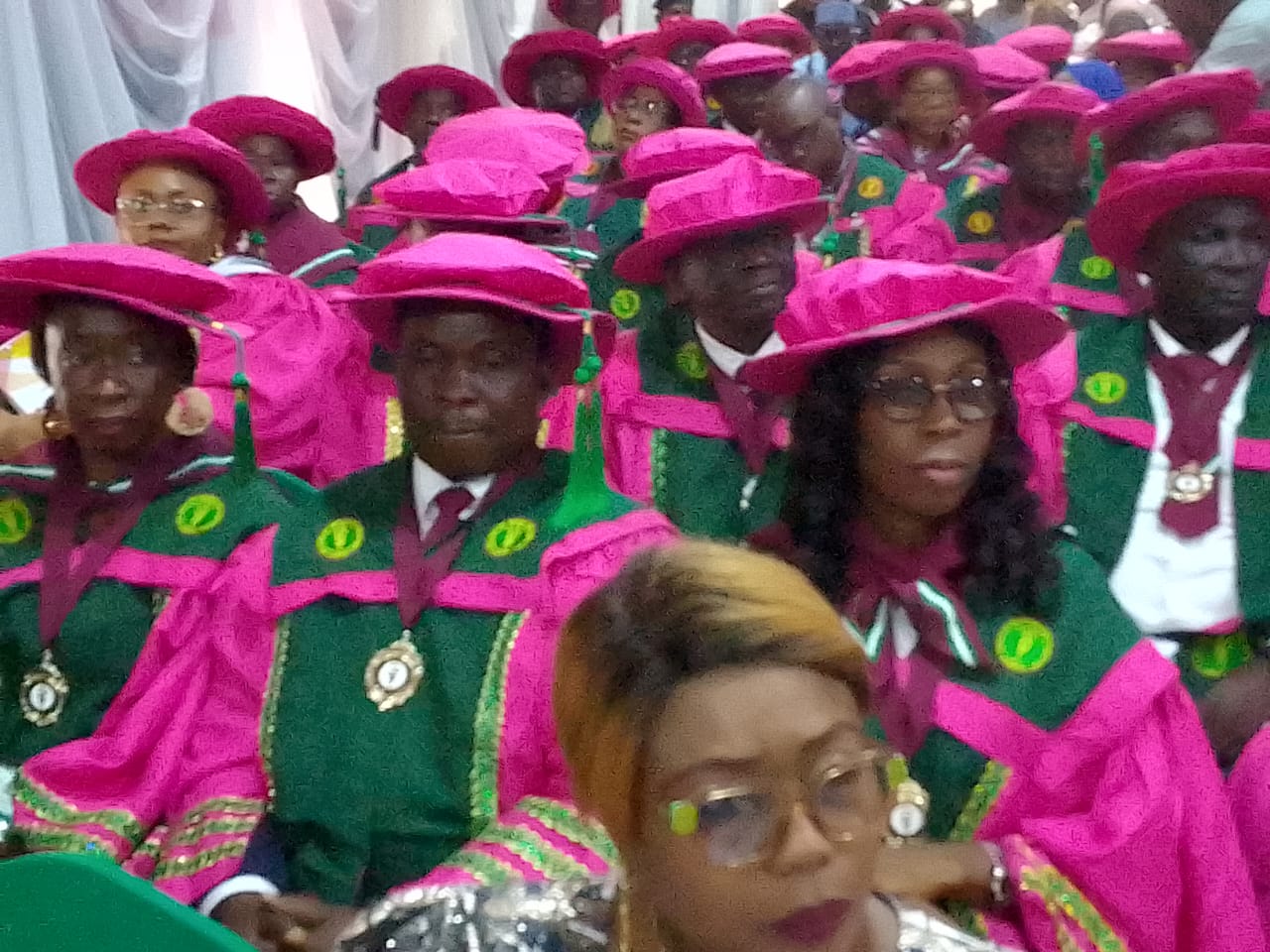

Nigeria’s livestock sector may be on the brink of a major transformation as the Federal Government rolls out an ambitious reform package aimed at tackling animal health challenges, boosting productivity, and protecting public health.
Speaking at the Convocation and 7th Investiture Ceremony of new Fellows of the Postgraduate College of Veterinary Surgeons of Nigeria in Abuja, Minister of Livestock Development, Alhaji Idi Mukhtar Maiha, outlined a multi-pronged strategy that includes establishing climate-resilient grazing reserves, expanding veterinary health infrastructure nationwide, and strengthening community-based animal health services.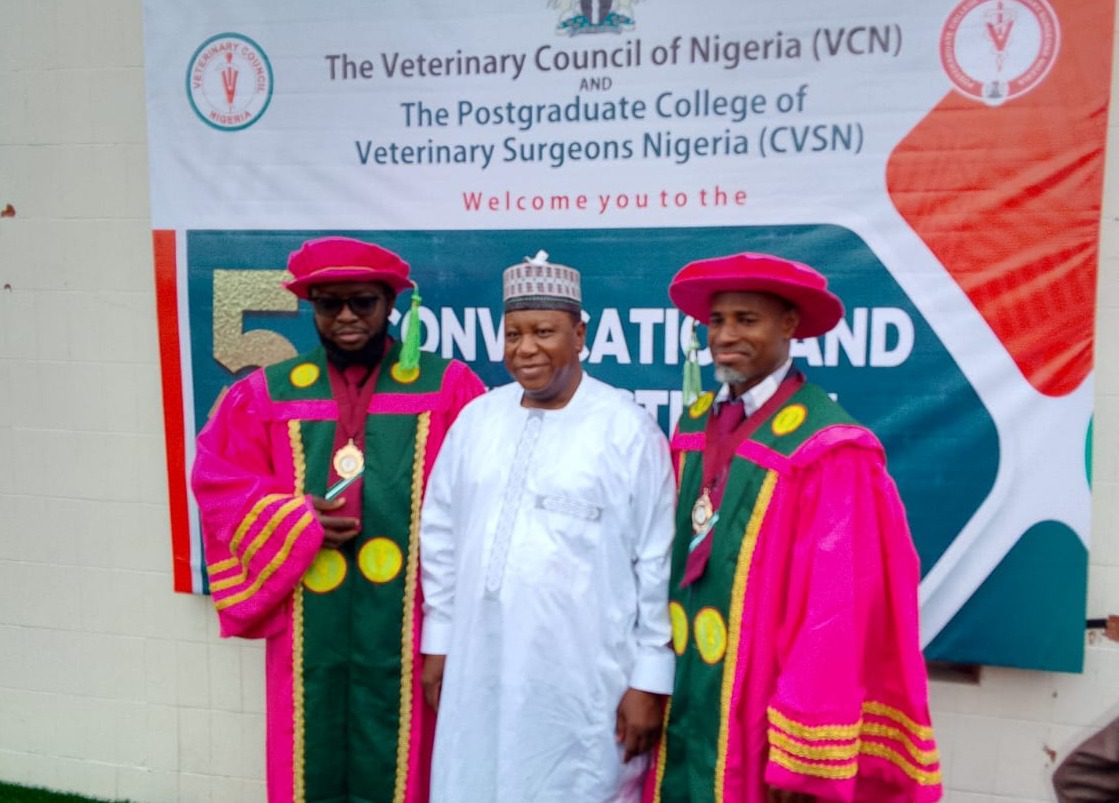
Maiha, represented by the ministry’s Permanent Secretary, Dr. Chinyere Ijeoma Akujobi, said the reforms are central to delivering President Bola Tinubu’s Renewed Hope Agenda in the agricultural sector. He expressed confidence that the 205 newly inducted fellows will bring the specialised expertise needed to drive these plans forward.
“This is not just about livestock. It is about food security, rural livelihoods, and the health of our people,” Maiha said. “With your skills, Nigeria can meet its protein needs, reduce disease outbreaks, and create economic opportunities across our communities.”
Keynote speaker Professor Abdulkadir Junaid of Usmanu Danfodiyo University, Sokoto, urged the government to implement a nationwide universal animal immunisation programme to curb preventable livestock diseases. He also advocated for a digital reporting system to improve disease surveillance and rapid response capacity — a measure he said is crucial in an era of frequent zoonotic disease outbreaks.
President of the Veterinary Council of Nigeria and Acting Vice Chancellor of Yakubu Gowon University, Abuja, Professor Mathew Adamu, challenged the inductees to become “change agents” in advancing the nation’s livestock transformation agenda. He stressed that the sector’s future depends on professionals who can blend technical expertise with ethical leadership.
Acting Registrar of the Council, Dr. Oladotun Fadipe, noted that the inclusion of 205 new fellows represents a significant boost to the country’s animal health workforce, which will in turn enhance public health outcomes.
Acting Provost of the Postgraduate College, Professor Adamu Zoaka, highlighted the rigorous selection process and the intensive training the fellows had undergone.
“This training has instilled discipline, resilience, and the capacity to confront the complex challenges facing veterinary practice in Nigeria,” Zoaka said.
Interim Secretary of the College, Dr. Helen Ego Oputa-Chime, called for proactivity and innovation, noting that the rising disease burden across Africa demands resilience and perseverance from veterinary professionals.
President of the Nigerian Veterinary Medical Association, Dr. Moses Arokoyo, warned that the growing threat of zoonotic diseases requires more specialists capable of containing outbreaks before they cross from animals to humans.
With livestock contributing significantly to Nigeria’s food supply and rural economies, stakeholders at the event agreed that the combination of government reforms and a strengthened professional corps could mark the start of a new era for the sector — one where animal health, public health, and national prosperity are inextricably linked.