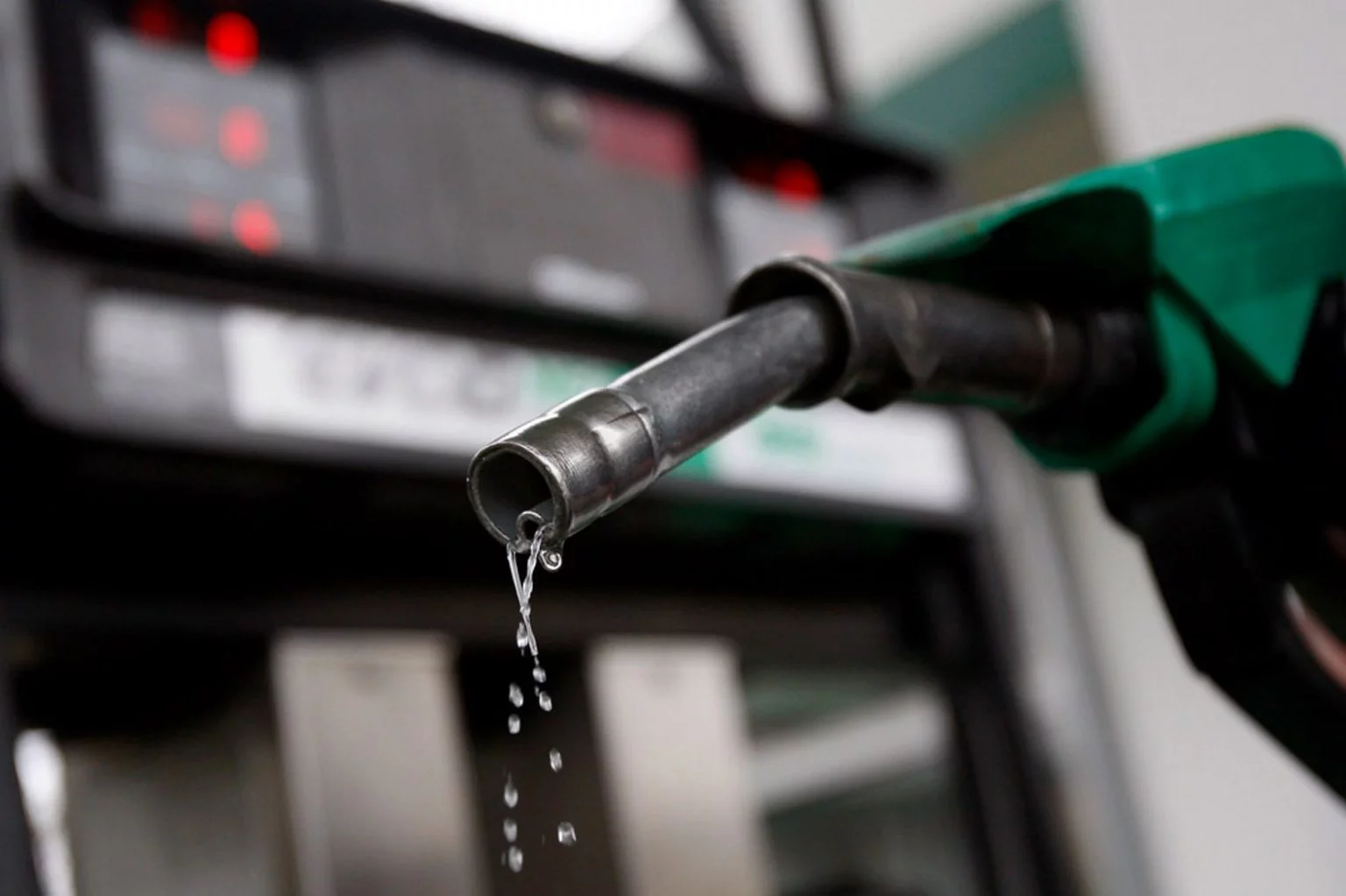
Fuel prices across Nigeria have surged dramatically, with pump rates now approaching the N1,000 mark in some regions—raising fresh concerns about affordability and sustainability under the deregulated regime.
In Abuja, Nasarawa, and parts of Kogi State, motorists are now paying up to ₦955 per litre at Nigerian National Petroleum Company Limited (NNPCL) retail outlets—an increase of ₦65 within just 48 hours. Elsewhere in the capital, independent marketers have adjusted prices even higher, with some filling stations selling at ₦970 or more per litre.
This upward shift follows weekend adjustments by major marketers including Ranoil, Shema, AA Rano, Empire Energy, and others—reflecting a trend many believe could push prices beyond the symbolic N1,000 threshold if conditions persist.
Industry stakeholders say a combination of macroeconomic and operational factors is driving the latest price hike. Chief among them is the volatile naira-dollar exchange rate, followed by price adjustments at depots and challenges around domestic refining.

According to Chinedu Ukadike, spokesperson for the Independent Petroleum Marketers Association of Nigeria (IPMAN), the recent increase is largely tied to supply chain costs and forex instability.
“We are seeing depot prices adjusted upwards due to foreign exchange costs. Some depots are now selling as high as N870 to N880 per litre. That inevitably affects retail prices,” Ukadike said.
Adding another layer to the situation is the pricing strategy adopted by the Dangote Refinery, which has become a significant player in the local refining space.
Billy Gillis-Harry, President of the Petroleum Products Retail Outlets Owners Association of Nigeria (PETROAN), expressed concern over the refinery’s pricing model.
“We need a review of how domestic refining costs are being passed on to retailers. The current model being operated by Dangote Refinery lacks transparency and creates unpredictability,” he said.
Industry sources disclosed that as of last Friday, ex-depot prices from Dangote hovered around N858 per litre, while other suppliers such as NIPCO and Aiteo offered fuel in the N855–N870 range.
Despite ongoing reforms in the downstream sector, the consensus remains that local refiners are still heavily reliant on imported crude, exposing the entire value chain to international pricing shocks.
For ordinary Nigerians, the impact has been swift and painful. Transport fares are rising, small businesses that rely on fuel for power generation are scaling back operations, and household budgets are being squeezed further.
Abuja resident who commutes daily between Nyanya and Garki, says she’s already paying 30% more for transport than she did last week.
“It’s becoming unbearable. Even taxi drivers are complaining because they also can’t afford to buy fuel easily. Everyone is affected,” she said.
With global oil prices in flux and the naira under pressure, experts warn that the country may be headed for a prolonged period of high fuel costs unless strategic buffers are introduced.
Energy analyst Tunde Ibitoye notes that while deregulation aims to allow market forces to determine price, “without a stable local currency, domestic refining, and functional competition, the market is far from balanced.”
The government has yet to issue a formal response, but multiple sources say inter-agency meetings are being held to monitor the impact and explore interim palliative options.