
By Muhammed Danjuma Ogwu, Lafia
Gender-Based Violence (GBV) continues to surge in Nasarawa State, with 276 cases reported between January and March 2025 alone — a grim statistic that has sparked outrage among rights advocates and community leaders.
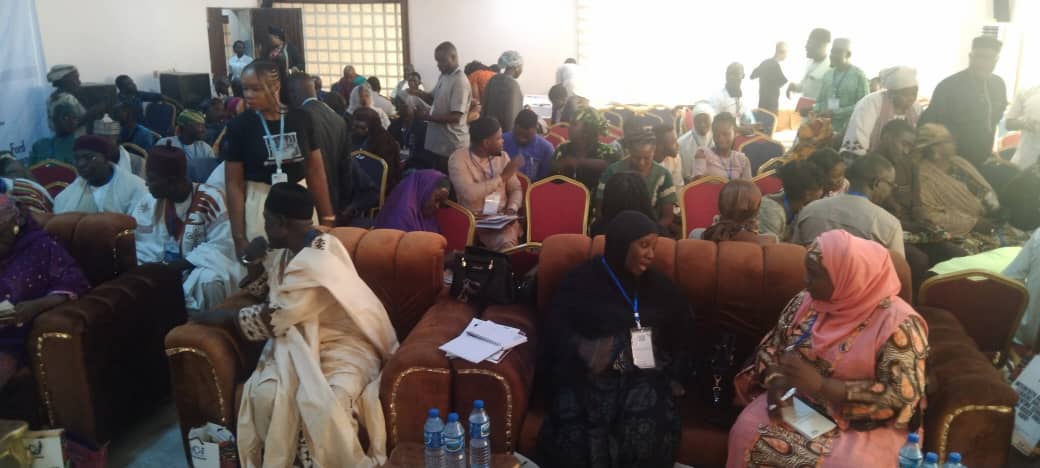
At an Interfaith and Cultural Dialogue convened in Lafia by the Dorothy Njemanze Foundation (DNF), in partnership with the Ford Foundation, stakeholders from across religious, traditional, and governmental institutions raised alarm over the worsening GBV crisis and called for urgent collective action.

Executive Director of DNF, Dorothy Njemanze, described the figures as “deeply disturbing,” citing state data and sharing harrowing accounts of survivors across Nasarawa, Niger, and the FCT. She said many victims had endured dehumanizing abuses including child marriage, rape, breast ironing, and even cases of family-supervised sexual assault.
“Our culture is being misused. Religion is being weaponized. People are scared to challenge elders who harm women and girls,” Njemanze said. “We must reinterpret our traditions to protect life, not control it.”
She emphasized the power of local institutions in changing attitudes. “When faith leaders speak up for women, communities listen. When traditional rulers denounce child marriage, it saves lives.”
Also speaking, Nasarawa’s Commissioner for Women Affairs and Humanitarian Services, Barr. Hauwa Jugbo, reaffirmed the state’s commitment to fighting GBV. She highlighted ongoing initiatives, including the renovation of a safe house for survivors and the establishment of a GBV Situation Room to track and respond to cases across all 13 local governments.
“In just three months, 276 cases were officially reported and submitted to the Federal Ministry of Women Affairs,” Jugbo confirmed. “The impact of GBV goes far beyond the individual — it shatters families, breaks communities, and holds back development.”
She praised the First Lady, Hajiya Silifat Abdullahi-Sule, for her strong advocacy and leadership on the issue.
The town hall, attended by representatives from CAN, JNI, security agencies, youth and women’s groups, ended with a unified pledge to push back against GBV at all levels — in homes, schools, places of worship, and government institutions.