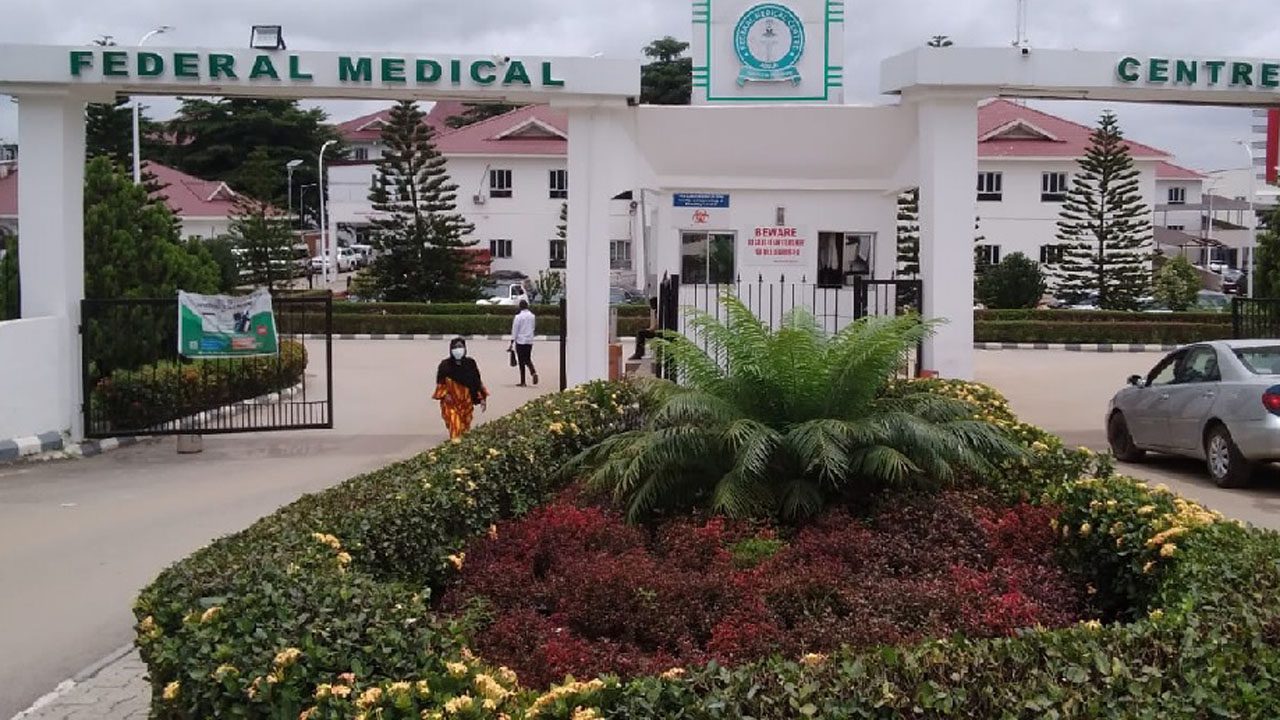
A viral video showing alleged neglect of accident victims at the Federal Medical Centre (FMC), Jabi, has ignited public outrage, pushing Nigeria’s healthcare crisis back into the spotlight and forcing a federal investigation into the hospital’s conduct.
The video, which surfaced over the weekend, captured the frantic voice of a Good Samaritan who said he had rushed injured victims from a road crash to the hospital, only to be told by medical personnel that they could not be treated—allegedly due to a lack of gloves.
The footage, raw and disturbing, showed some victims left unattended while others limped into the emergency unit unaided. It quickly spread online, drawing sharp reactions from citizens, civil society groups, and even lawmakers.
But beyond the video’s emotional charge lies a deeper question: What does it say about Nigeria’s emergency healthcare readiness?
“This goes beyond gloves,” said Halima Lawal, a public health advocate. “It’s about whether Nigerians can trust that when they’re in pain—when they’re dying—someone will care enough to help them first, not ask questions or turn them away.”
Though FMC Jabi has denied the allegation, saying an internal probe showed that the emergency unit was fully stocked with supplies at the time, the Minister of State for Health and Social Welfare, Dr. Iziaq Salako, has ordered a full investigation.
Hospital spokesperson Obadiah Gana stated that the facility remains committed to transparency, asserting that interviews with staff and stakeholders are ongoing and that no shortage of gloves or patient-transfer tools was recorded.
Yet for many Nigerians, the video has already reinforced long-held fears about emergency care in public hospitals—where bureaucracy, delayed responses, or even outright rejection have cost lives.
In its official response, FMC Jabi defended its record, noting that it performs advanced surgeries like open-heart and kidney transplants. But critics have pointed out that life-saving basic interventions, not high-end procedures, were what was missing on the day of the alleged neglect.
“What’s the point of being able to do complex surgery if you can’t offer a bleeding man a stretcher or a pair of gloves?” asked activist Samuel Akoh on X (formerly Twitter). “The system is broken at the entry point—where lives hang by seconds.”
This incident has reignited calls for a national emergency care reform plan—one that prioritizes first response training, streamlined hospital intake processes, and protection for frontline staff who are often blamed without support.
Healthcare consultant Dr. Grace Nwosu said: “Emergency departments in Nigeria operate under immense pressure. We need clear policies that empower them to act fast, with or without full patient identification, and without fear of punishment.”
She urged the federal government to go beyond reactive investigations and implement emergency protocols nationwide, including funding for 24/7 trauma teams and response audits.
For now, Nigerians wait for the outcome of the probe. But for many, the deeper hope is not just for punishment—but for systemic compassion.
“We’ve buried too many people who could have lived,” said Mrs. Bisi Adesina, whose son died in 2023 after being turned away from a public hospital. “Let this be a turning point—not just another scandal swept away.”
As the FMC management promises a full report, the spotlight remains not just on what happened in Jabi—but on what must happen next.
FMC Jabi Incident Sparks National Outcry Over Emergency Care in Nigeria