
As Nigeria marked the 2025 Armed Forces Remembrance Day, voices of discontent from war veterans, widows, and civil society organizations took center stage, highlighting the neglect faced by those who sacrificed for the nation’s peace and security.
The solemn event, held across various locations, honored fallen heroes, but the lamentations of widows and retired servicemen revealed the systemic failures in supporting these individuals and their families.
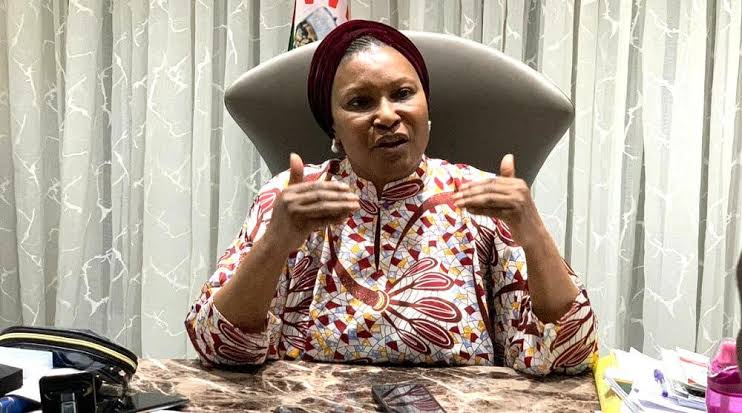
At the Tafawa Balewa Square in Lagos, Mrs. Oluwaseyi Iliya, leader of the “Wives of Fallen Heroes” group, expressed disappointment with the Lagos State government. She criticized the lack of meaningful support for military widows, noting that promises made in previous years had not materialized.
“Military widows are suffering. Our husbands died serving this nation, but we’ve been abandoned,” she said. Iliya recounted a 2024 initiative where some widows received foodstuffs and grinding machines, but no further support followed.
Retired Col. Nasiru Salami, a 76-year-old civil war veteran, echoed similar sentiments, recounting his own struggles with unpaid pensions and unfulfilled promises. Speaking on Channels Television, Salami said, “I cannot recommend the Nigerian Army to my children because of how poorly we’ve been treated.”
Salami, who served on the Biafran frontlines during the Civil War, revealed that over 24,000 veterans in Lagos are still awaiting their war bonuses, more than five decades after the conflict ended.
Prominent Nigerians, including Peter Obi, and organizations like the Civil Society Legislative Advocacy Centre (CISLAC), have called for immediate government action. Obi urged the Federal Government to prioritize healthcare, education, and timely payment of benefits for military personnel and their families.
“These measures will inspire greater commitment and reinforce the dedication of our armed forces,” Obi stated on social media.
CISLAC’s Executive Director, Auwal Rafsanjani, called for national recognition of fallen heroes’ families, emphasizing empowerment programs and scholarships for widows and children as essential steps.
Vice President Kashim Shettima, representing President Bola Tinubu at the national parade in Abuja, acknowledged the sacrifices of Nigeria’s military personnel. He urged Nigerians to contribute to the welfare of the families of fallen heroes, while Lagos State Deputy Governor Obafemi Hamzat called for public support to alleviate their hardships.
Despite these appeals, many widows and veterans remain skeptical, viewing these gestures as hollow without tangible action.
As the nation reflects on the sacrifices of its armed forces, the voices of widows and veterans underscore the need for systemic reform. Beyond wreath-laying ceremonies, Nigeria must honor its fallen heroes by ensuring their families are not forgotten and their sacrifices are truly appreciated.
The Armed Forces Remembrance Day, while a solemn occasion, must inspire action to address the plight of those who gave their all for the nation’s peace and security.