

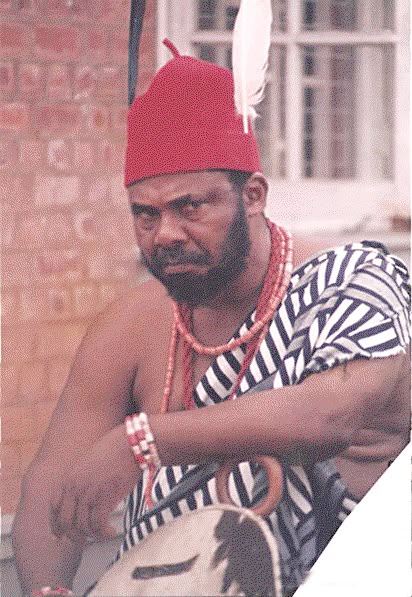

Nigeria’s cultural landscape has suffered a major loss with the death of veteran actor Pete Edochie, whose commanding screen presence, mastery of African storytelling and powerful portrayal of traditional values made him one of the country’s most celebrated cultural ambassadors.
The Minister of Art, Culture, Tourism and the Creative Economy, Hannatu Musa Musawa, described his death as the fall of an iroko, lamenting that Nigeria had lost a national treasure whose influence transcended the film industry and helped project African identity to the world.
Musawa said Edochie’s contribution to Nigerian cinema went beyond entertainment, arguing that his performances helped preserve and project African traditions, indigenous wisdom and cultural identity to audiences across the world.


The veteran actor and broadcaster reportedly died in Enugu in the early hours of Wednesday, November 25, 2026, aged 79.
In a condolence message, the minister said Edochie’s death was a painful loss to his family, Nollywood and the entire country, describing him as a national treasure whose place in Nigeria’s cultural history would be difficult to fill.
“Chief Edochie was an outstanding actor who will not be easily replaced. He was more than an actor. He was a broadcaster, a cultural ambassador, a teacher and a father figure to generations of artists,” she said.
Musawa singled out his portrayal of Okonkwo in the screen adaptation of Chinua Achebe’s literary masterpiece, *Things Fall Apart*, as a defining moment in African storytelling.
She said Edochie’s interpretation of the character brought Achebe’s literary creation to life and introduced generations of viewers to the depth of African storytelling.
Beyond his celebrated screen performances, the minister said Edochie used his commanding presence in roles depicting traditional rulers, fathers and community elders to communicate African values, proverbs and traditional wisdom.
According to her, the actor embodied the dignity and cultural identity of the African man while projecting Nigeria’s heritage to international audiences.
Musawa also drew attention to the coincidence of his death with the ongoing National Festival of Arts and Culture (NAFEST) Enugu 2026, saying it was particularly painful that the actor died in a city hosting a celebration of the cultural heritage he spent his lifetime promoting.
“That he departed in Enugu, in the heart of the land he loved and served, while Nigeria celebrates its culture, is a solemn reminder of his enduring connection to our heritage,” she said.
She maintained that Edochie’s influence would outlive him through his extensive body of work, the indigenous expressions he popularised and the younger creatives who drew inspiration from his career.
On behalf of the Federal Ministry of Art, Culture, Tourism and the Creative Economy and the National Council for Arts and Culture, Musawa extended condolences to his wife, Barr. Josephine Edochie, his children, including Leo Edochie, and other members of the family.
She also commiserated with the people of Nteje in Anambra State, the Enugu State Government, the Actors Guild of Nigeria and the wider Nollywood community.
The minister prayed for comfort and strength for the bereaved family, assuring that the government would continue to recognise Edochie’s contributions to the country’s cultural development.
“Nigeria will honour him, and we will ensure that his contributions to our arts, culture and national identity are never forgotten,” she said.