Kogi State is closing in on a major public health milestone, recording a significant drop in malaria prevalence to 8.9 per cent in 2025, raising hopes that total elimination of the disease may soon be within reach.
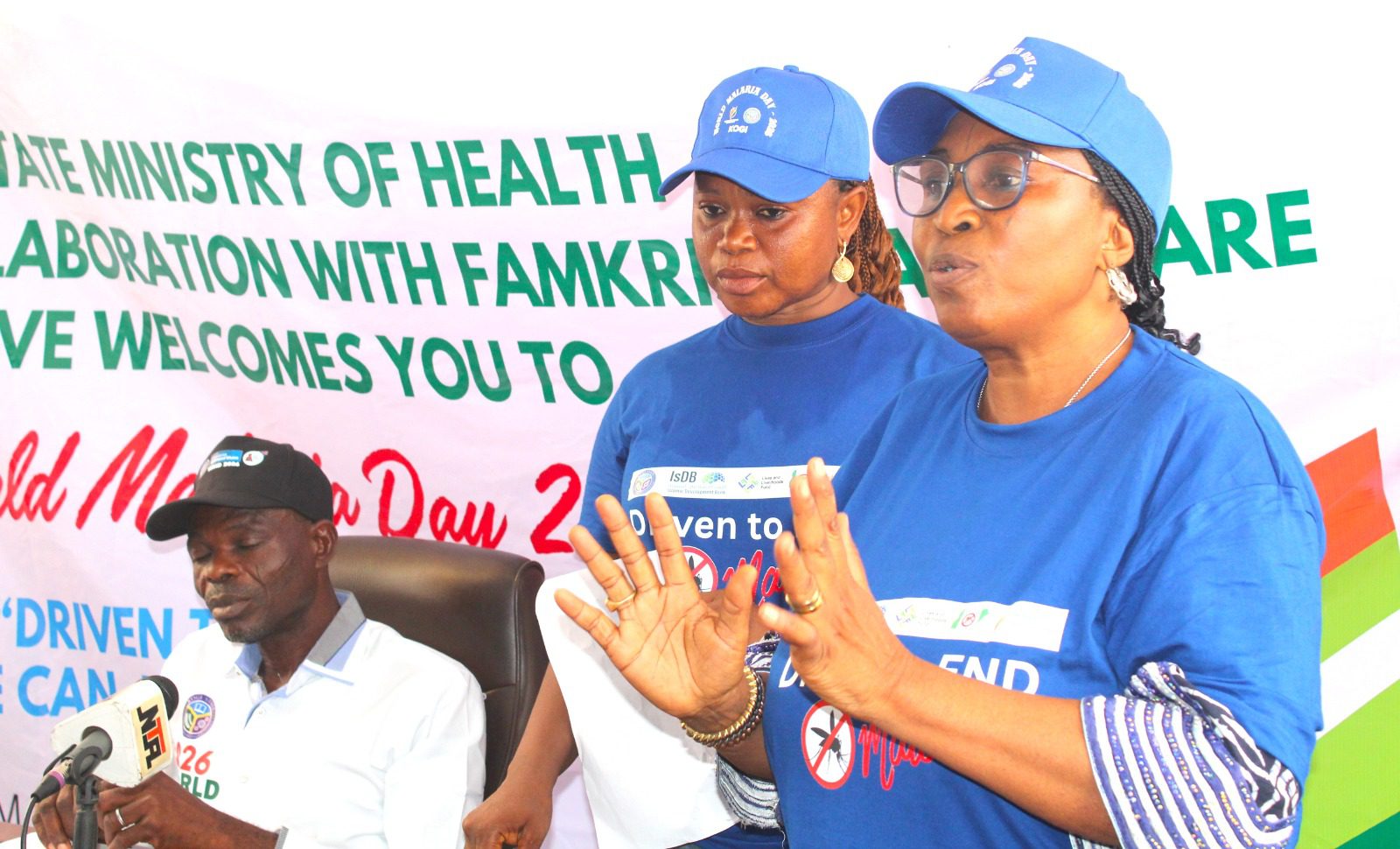
The State Commissioner for Health, Dr. Abdulazees Adeiza, disclosed this during activities marking World Malaria Day 2026, describing the progress as evidence that sustained interventions and partnerships are yielding results.
He noted that malaria prevalence in the state has steadily declined over the years—from 24 per cent in 2015 to 16 per cent in 2021, and now 8.9 per cent—according to data from the National Malaria Indicator Survey. The commissioner described the 2026 theme, “Driven to End Malaria; Now We Can, Now We Must,” as a reflection of renewed urgency in tackling the disease.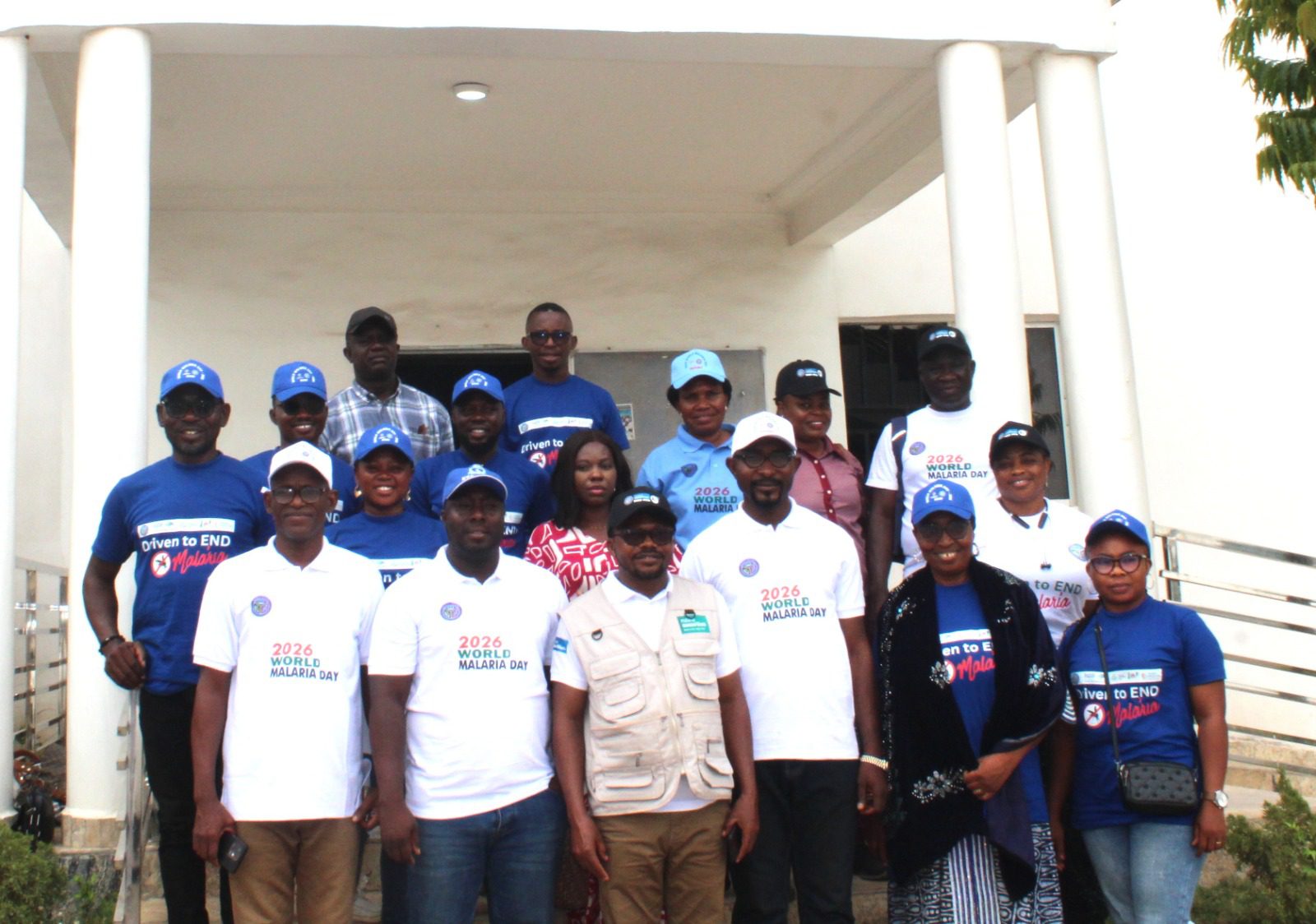
Despite the progress, he warned that Nigeria still bears a heavy burden, accounting for about 24 per cent of global malaria cases and 30 per cent of related deaths, underscoring the need for intensified efforts nationwide.
Adeiza attributed Kogi’s gains to deliberate investments by the state government, alongside strategic collaborations with partners such as Malaria Consortium and Famkris Healthcare Initiative. He highlighted the implementation of Seasonal Malaria Chemoprevention across all 21 local government areas since 2021 as a key driver of the decline.
Represented by Permanent Secretary Maji Enoch, the commissioner reaffirmed the government’s commitment to scaling up interventions, including plans to distribute over 3.6 million insecticide-treated nets before the end of 2026.
Also speaking, the State Malaria Elimination Programme Director, Dr. Stephen Ake, said free malaria testing and treatment services are currently available across all 239 wards, with at least two centres operating in each ward. However, he identified funding gaps as a persistent challenge, calling for greater support from corporate organisations and development partners.
On the part of implementing partners, Dr. Salamatu Yahaya of Famkris Healthcare Initiative said the group has strengthened malaria response through training of health workers, community mobilisation, and improved diagnosis and treatment systems. She noted that intervention efforts have helped push key performance indicators from 35 per cent to 90 per cent effectiveness.
Similarly, Dr. Okwulu Andrew Williams of the Malaria Consortium revealed that the organisation has distributed over 3.7 million mosquito nets and disbursed more than N2 billion in support funds, while reaching over 1.2 million children in 2025 alone.
Stakeholders expressed optimism that with sustained funding, policy support, and community engagement, Kogi State could soon emerge as one of Nigeria’s lowest malaria-burden regions—bringing the long-standing fight against the disease closer to a decisive victory.
Kogi Nears Malaria Elimination as Prevalence Drops to 8.9%