Africa’s push toward a cleaner, more sustainable energy future gained renewed urgency as policymakers, legal experts, and industry stakeholders converged to spotlight the critical role of financing and reform.
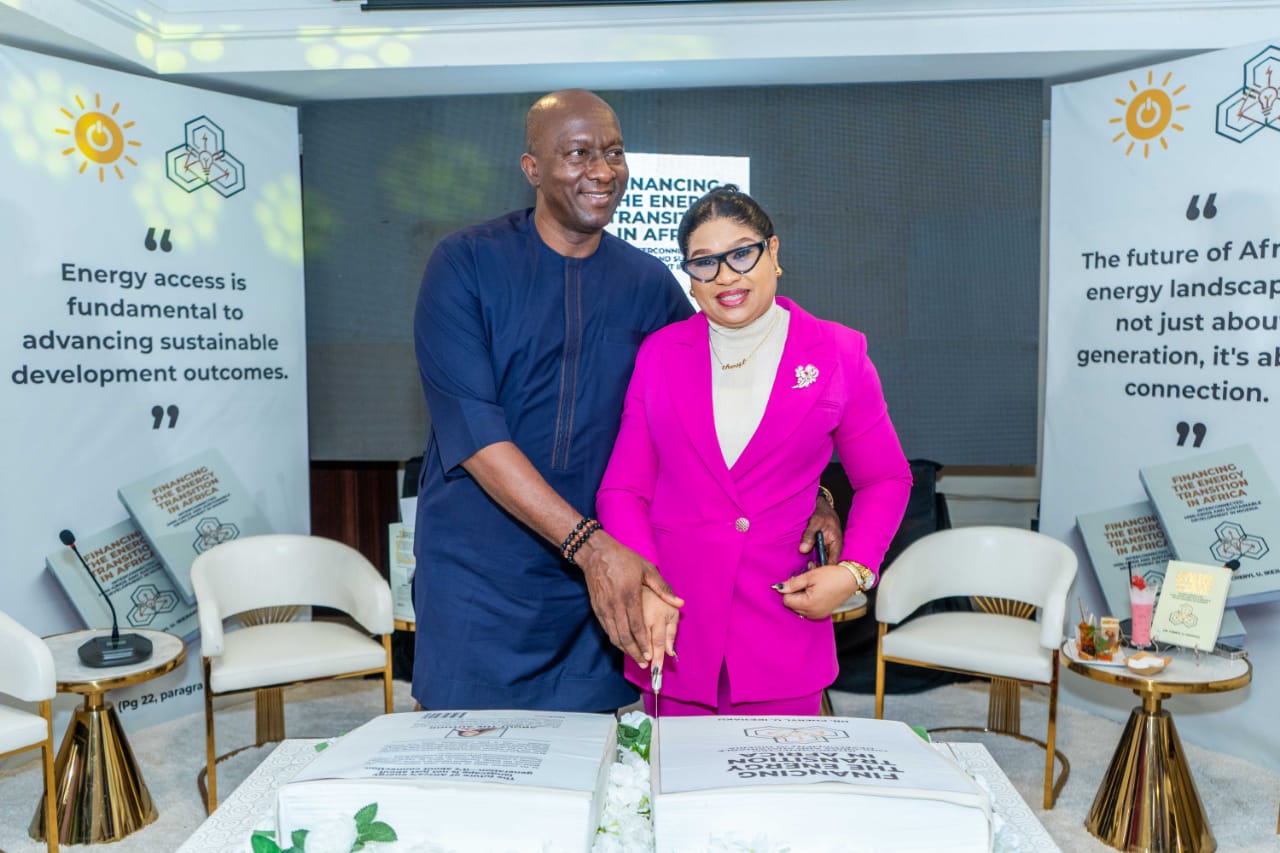
This momentum took centre stage at the unveiling of “Financing the Energy Transition in Africa: Interconnected and Mini-Grids and Sustainable Development in Nigeria,” authored by Dr. Cheryl Ikejiaku. The event, aligned with Sustainable Development Goal 7 on affordable and clean energy, served as both a policy conversation and a call to action.
At the heart of the discussion was a clear message: Africa’s energy transition cannot succeed without bold investment strategies and innovative power solutions. The book underscores the importance of interconnected grids and mini-grid systems as practical pathways to expanding electricity access, especially in underserved communities across Nigeria and the continent.
But beyond financing, speakers stressed that policy clarity and regulatory stability are just as crucial. Experts at the event argued that without enabling laws and a predictable investment climate, even the most ambitious energy projects risk stalling.
Legal and policy voices, including Nnanna Oketa of the South East Development Commission and energy analyst Alex Obiochina, emphasized the need for governments to move from rhetoric to action—creating frameworks that can attract private capital while ensuring long-term sustainability.
Representing the Rural Electrification Agency, Ibrahim Kashim described the book as timely, urging stakeholders to become “catalysts for change” in a sector that holds the key to economic growth, industrial expansion, and improved living standards.
Beyond the policy dialogue, the event also carried a celebratory tone, marked by the ceremonial cutting of a cake in honour of Dr. Ikejiaku’s 50th birthday—a symbolic moment blending personal milestone with professional impact.
By the close of the event, one theme stood out: Africa’s energy future hinges on collaboration. Stakeholders agreed that delivering reliable, clean, and affordable energy will require a coordinated effort—uniting government action, private sector investment, and forward-thinking policy reforms.
As the continent grapples with rising energy demands and climate pressures, the message was unmistakable—transition is no longer optional; it is urgent.
Energy experts push reforms, financing to drive Africa’s clean transition