

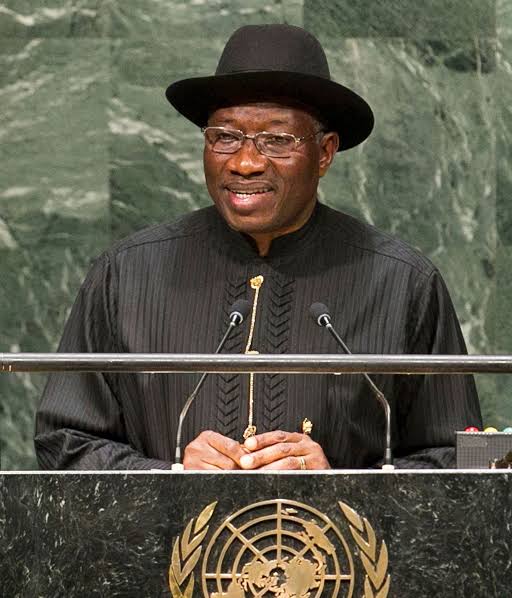

Former President Goodluck Jonathan has told Nigeria’s ex-officeholders that mentoring the next generation is an obligation, not a favour, warning that neglecting it will condemn young politicians to repeat old mistakes. “If we fail to guide the next generation, we risk leaving them to learn the lessons of leadership through avoidable mistakes,” he said.
The message was delivered in Abuja on Tuesday by Bala James Nggilari, former Deputy Governor of Adamawa State, who spoke on Jonathan’s behalf at the fifth national conference of the Forum of Former Deputy Governors of Nigeria (FFDGN), where Jonathan is grand patron. Held at Abuja Continental Hotel, the gathering was themed “Thinking Nation Building: Bridging the Leadership-Citizen Disconnect through Orientation, Attitude, Character, Culture and Tradition for Sustainable Development.”
Central to Jonathan’s address was the idea that power is a public trust, not a personal possession. Nigeria, he said, needs leaders who understand that office carries duties beyond party loyalty and individual ambition, and he wants former officeholders to draw on their experience to build a politics grounded in integrity, accountability, tolerance and national interest. “Our young people need more than opportunities to lead,” he said. “They need guidance to understand that leadership is a trust, public office is a responsibility, and true success lies in serving the people with honesty and honour.”
To that end, he urged the former deputy governors to share the lessons of their careers, lead by example and reject intolerance and divisive politics. Ethnic, religious and regional divisions, he said, remain major obstacles to Nigeria’s political development, and he called for competence, integrity and inclusion to guide public service. “Nigeria must always be greater than any political party, individual or sectional interest,” he declared.
Jonathan believes the forum is well placed to lead by example because its members come from different parties and regions, a diversity he said gives them a chance to build bridges across political divides. He described deputy governors as stabilising figures who link governors, parties and citizens while in office, and asked them to carry that role beyond their tenure. He also called for closer cooperation between serving governors and their deputies to reduce friction and improve governance.
Beyond mentorship, he challenged the forum to move past social gatherings and become a serious platform for policy and institutional reform, urging members to keep reviewing Nigeria’s constitutional framework and send well-considered recommendations to the National Assembly. He added that policies should open up opportunities for young Nigerians, whom he called the country’s greatest asset, so they can work, innovate and build meaningful lives in a peaceful and prosperous nation.
“Political office is temporary, but the consequence of our decisions can endure for generations,” he said. “Our roles may change, but our responsibility to Nigeria remains.”
Congratulating the forum on its fifth conference, Jonathan said he hopes its deliberations will produce practical proposals to strengthen governance, promote reconciliation and restore citizens’ confidence in political leadership.