President Bola Tinubu on Thursday reframed his presidency not as a routine administration, but as a कठिन journey of endurance—one he says cannot be abandoned, despite mounting pressure and criticism.
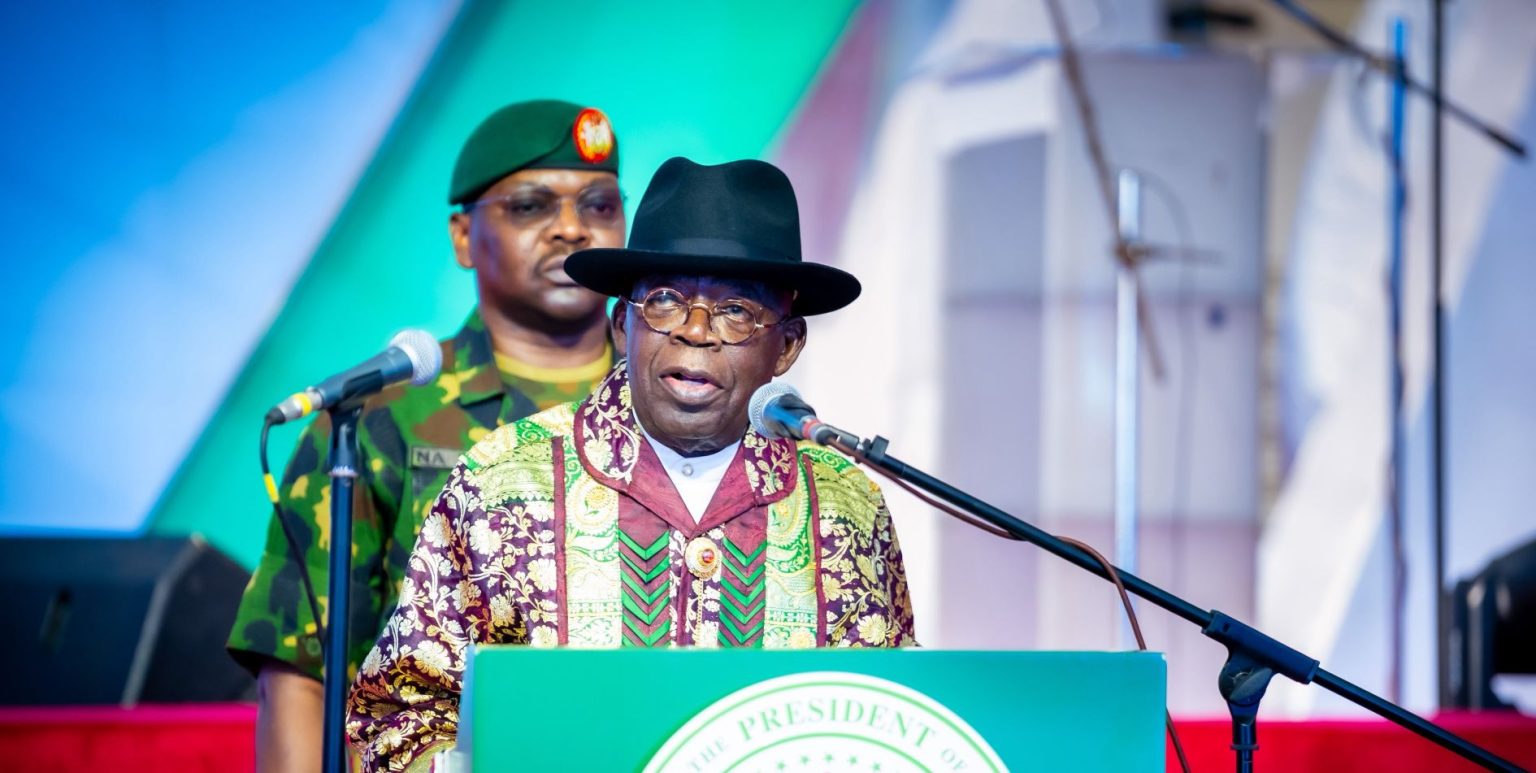
Speaking to members of the Renewed Hope Ambassadors at the State House, Abuja, Tinubu positioned himself as a leader in the middle of a necessary but difficult struggle, urging supporters to see the moment as bigger than politics.
“This is not a path you walk away from,” he said. “If I have to go through it again, I will.”
Rather than directly engaging critics, the President shifted the narrative—casting opposition and resistance as expected consequences of deep reforms aimed at restructuring Nigeria’s economy.
For Tinubu, the message was clear: the hardship is real, but so is the mission behind it.
“If something is wrong, we fix it and move on,” he said, acknowledging current economic challenges while insisting they are part of a broader correction process.
But beyond policy, the tone of the meeting suggested something more strategic—a quiet transformation of governance into a sustained political movement.
Tinubu repeatedly emphasized resilience, not just for himself, but for his supporters, describing them as central actors in shaping public understanding of his reforms.
“You are the conscience of a nation determined to overcome poverty, ignorance and hopelessness,” he told them.
In that framing, the Renewed Hope Ambassadors are not merely supporters—they are carriers of a narrative, tasked with bridging the gap between policy and public perception.
The President also used the moment to draw a firm line on institutional order, stressing that respect for the judiciary remains non-negotiable, even in politically tense times.
“We must embrace the judiciary, whether it favours us or not,” he said.
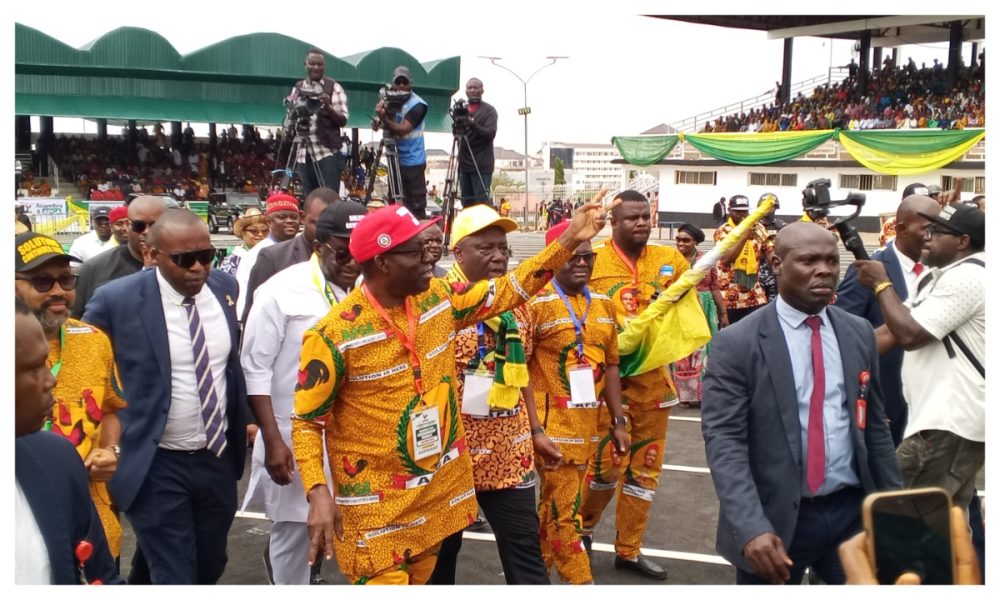
Around him, key political allies reinforced the same strategic shift—from governance to mobilisation.
Governor Hope Uzodinma called for “political evangelism,” urging supporters to take the message of reform directly to markets, communities, and grassroots networks.
Others, including APC National Chairman Nentawe Yilwatda and Governor Uba Sani, warned that silence in communication could allow opponents to define the narrative.
“If we don’t tell our story, others will tell it for us,” Sani said.
Taken together, the meeting signaled a presidency increasingly aware that policy success alone may not be enough—that perception, communication, and political stamina will be just as critical.
As Nigeria navigates economic reform and public skepticism, Tinubu’s message marks a subtle but important shift: this is no longer just about governing—it is about sustaining belief through difficulty.
And in that sense, the President is asking not just for support, but for endurance.
Tinubu Recasts Presidency as a Test of Endurance, Tells Supporters: ‘This Fight Is Not Optional’