The Human Rights Writers Association of Nigeria (HURIWA) has issued a strong warning over what it describes as deepening concerns about the legitimacy, independence, and constitutional compliance of Nigeria’s policing system, calling for urgent reforms including the establishment of state police.
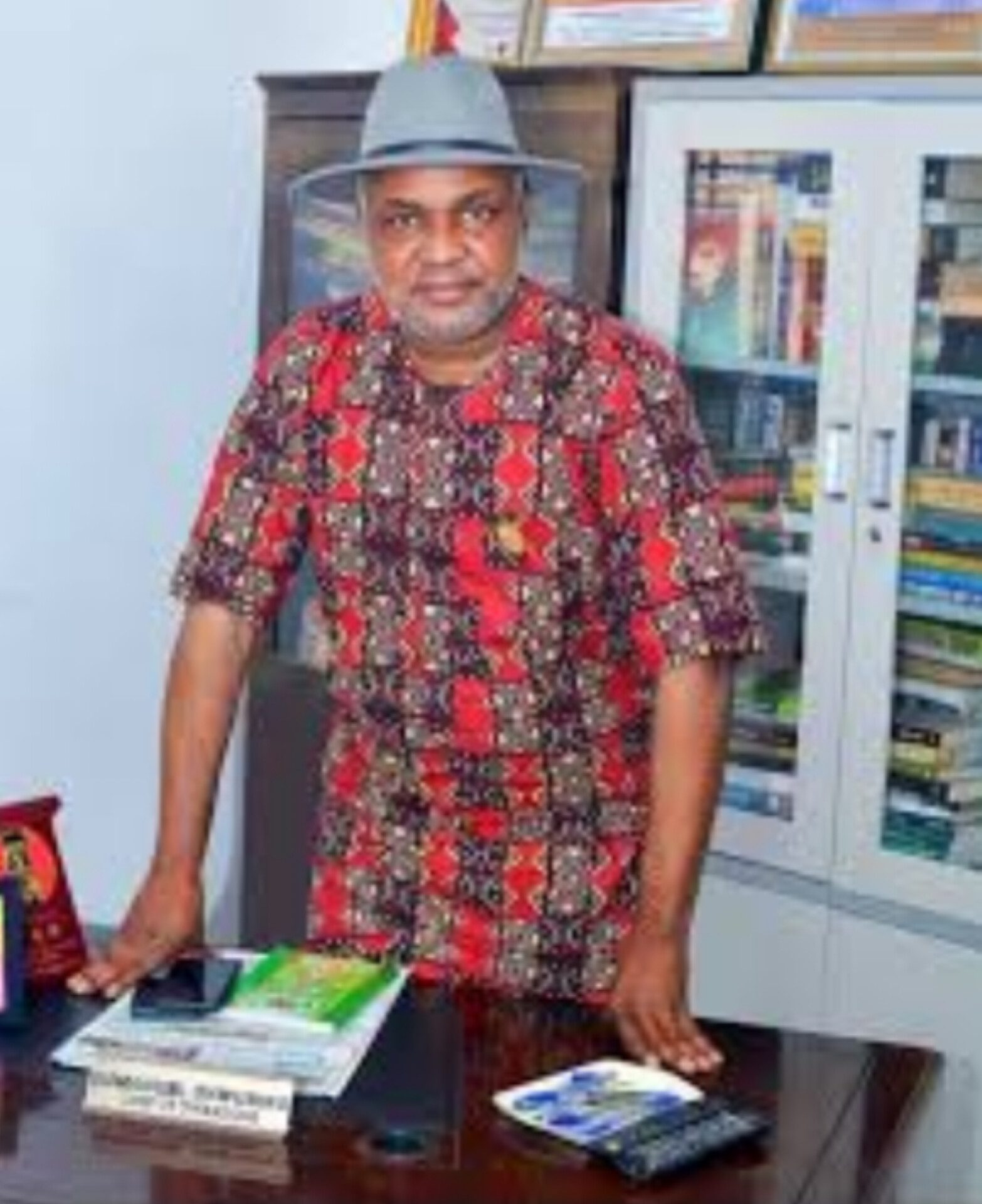
In a detailed statement released Wednesday by its national Cordinator, Emmanuel Nnadozie Onwubiko, the group said Nigeria’s internal security framework is facing a credibility crisis fueled by recurring controversies surrounding the appointment and tenure of the Inspector-General of Police.
HURIWA specifically pointed to ongoing public debate surrounding the current Inspector-General, Kayode Egbetokun, questioning whether his continued stay in office aligns with statutory retirement provisions under existing public service rules.

According to the group, the lack of clarity regarding the IGP’s service status raises broader concerns about transparency, legality, and adherence to due process within the security architecture.
“The credibility of Nigeria’s policing system must rest on strict compliance with the rule of law, not administrative discretion,” the statement said.
The group also warned that repeated controversies over police leadership appointments risk undermining institutional stability within the Nigeria Police Force.
Beyond leadership concerns, HURIWA renewed its call for the creation of state police, describing it as a “constitutional necessity” in light of Nigeria’s worsening security challenges. However, it cautioned that such reforms must be carefully structured to prevent abuse by state governors.
It proposed a framework that guarantees operational independence, transparent recruitment, and multi-layered oversight involving civil society, the judiciary, and federal institutions.
HURIWA further raised concerns over growing public perception that key security appointments may be influenced by political loyalty and personal affiliations. It referenced public commentary by activist Omoyele Sowore, who has questioned possible ties between the IGP and President Bola Ahmed Tinubu.
While stopping short of confirming such claims, the group stressed that unchecked perceptions of bias could erode public trust in national institutions.
The association questioned why an officer reportedly close to retirement would be appointed instead of someone capable of serving a full statutory term, warning that such decisions could create avoidable legal and administrative complications.
HURIWA called on the federal government and the Police Service Commission to immediately clarify the IGP’s service records, retirement status, and the legal basis for his continued tenure, if applicable.
It also urged President Tinubu to ensure that all security appointments strictly comply with merit, seniority, and constitutional provisions, free from ethnic or political considerations.
The group emphasized that failure to address these concerns could deepen public suspicion of executive overreach and further weaken confidence in Nigeria’s democratic system.
HURIWA maintained that Nigeria’s democracy must be anchored on transparency, accountability, and strict adherence to the rule of law, warning that anything less could jeopardize both governance and national security.