Efforts to revive dialogue between the United States and Iran have ended in failure after marathon negotiations in Islamabad collapsed without agreement, casting fresh uncertainty over an already fragile ceasefire and escalating concerns about broader instability in the Middle East.
The talks, which stretched for more than 20 hours, were intended to narrow differences on long-standing disputes, including Iran’s nuclear programme and wider regional security tensions. Instead, they ended with both sides blaming each other for the breakdown.
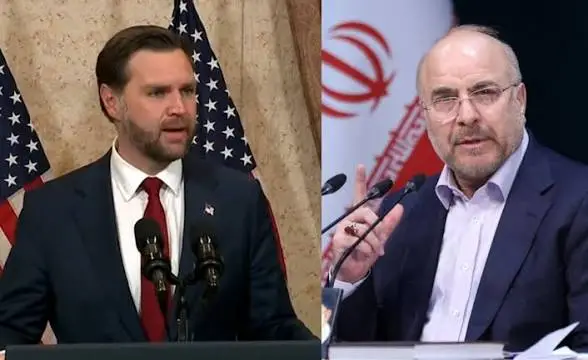
Speaking after the negotiations, US Vice President JD Vance said Washington had presented what it considered a final offer but could not secure Iranian acceptance.
“We just could not get to a situation where the Iranians would accept our terms,” Vance said, attributing the collapse to Tehran’s refusal to engage on Washington’s conditions.
Despite extended diplomatic engagement, fundamental disagreements over scope, sequencing, and guarantees of any potential deal remained unresolved.
Iranian officials pushed back strongly, accusing the United States of presenting what they described as excessive demands that failed to respect Iran’s sovereignty and strategic interests.
A spokesperson for Iran’s foreign ministry said expectations of a breakthrough had been unrealistic from the outset, citing an atmosphere marked by “mistrust, suspicion and doubt” throughout the discussions.
Both sides maintained firm positions, with little evidence of compromise on key sticking points, particularly around nuclear oversight and regional security arrangements.
The collapse of the talks now raises questions about the durability of the existing ceasefire framework that had temporarily eased tensions between both countries.
Diplomatic observers warn that the breakdown could reverse recent de-escalation gains, especially if backchannel communications fail to maintain momentum in the coming weeks.
Analysts say the absence of agreement leaves both sides without a clear roadmap, increasing the risk of renewed confrontation in an already volatile environment.
Wider regional instability
The failure of the Islamabad negotiations comes at a time of heightened tension across the Middle East.
Reports of renewed Israeli military activity in southern Lebanon have further complicated an already fragile security landscape, while multiple regional actors are expected to engage in separate diplomatic discussions in Washington in the coming days.
Security experts say the breakdown in US–Iran talks could have ripple effects across the region, particularly as competing alliances and proxy dynamics continue to shape geopolitical calculations.
Pakistan, which hosted the negotiations, has urged both parties to exercise restraint and return to the negotiating table, stressing that sustained dialogue remains essential to preventing further escalation.
Officials in Islamabad reiterated that diplomacy remains the only viable path toward lasting stability, despite the setback in talks.
Uncertain diplomatic path ahead
While the talks have collapsed, Iranian officials have signalled that diplomatic engagement has not been ruled out entirely, though they insist that any future progress will require meaningful compromise from all sides.
For now, the breakdown leaves US–Iran relations in a state of heightened uncertainty, with international attention shifting to whether renewed diplomatic efforts can be revived—or whether the region is heading toward another cycle of confrontation.
US–Iran Talks Collapse in Islamabad, Raising Fears of Renewed Regional Strain