Tension boiled over in Angwan Rukuba, as grieving women stormed the streets and blocked a planned mass burial for victims of a deadly attack, turning mourning into a powerful protest.
Clutching leaves and chanting in anguish, the women—joined by youths—sealed off the entrance of a church in protest, demanding justice and the release of detained community members before any burial could proceed.
The tragedy, which has shaken Plateau State, has now claimed at least 33 lives, according to officials representing Governor Caleb Mutfwang.
What was meant to be a solemn farewell quickly spiralled into a charged confrontation, as emotions flared over allegations that security forces had arrested three local youths in connection with the killings.
For the protesters, burying their loved ones without answers was simply not an option.
Residents are still reeling from the Palm Sunday attack, when gunmen stormed the Gari Ya Waye area under the cover of darkness, opening fire on unsuspecting civilians.
The assault left dozens dead and many more injured, deepening fears of renewed violence in the region.
Officials say the death toll rose after several victims succumbed to injuries in hospital—turning an already devastating incident into a growing humanitarian tragedy.
Government Promises Justice
Authorities have moved to calm tensions, confirming that the arrested youths have now been released.
Speaking on behalf of the state government, officials assured residents that efforts are underway to uncover those behind the killings and bring them to justice.
Governor Mutfwang has condemned the attack as a calculated attempt to destabilise the state, vowing that those responsible will be held accountable.
Echoing the mood on the ground, the Christian Association of Nigeria (CAN) in Plateau insisted that peace cannot return without justice.
“There can be no peace without justice,” said Rev. Gomwalk Dunkan.
For many in Angwan Rukuba, the pain is still raw, the questions unanswered, and the wounds far from healed.
What began as a burial has now become a symbol of a community demanding accountability—loud, united, and unwilling to be silenced
Grieving women halt burial, demand justice after Plateau killings
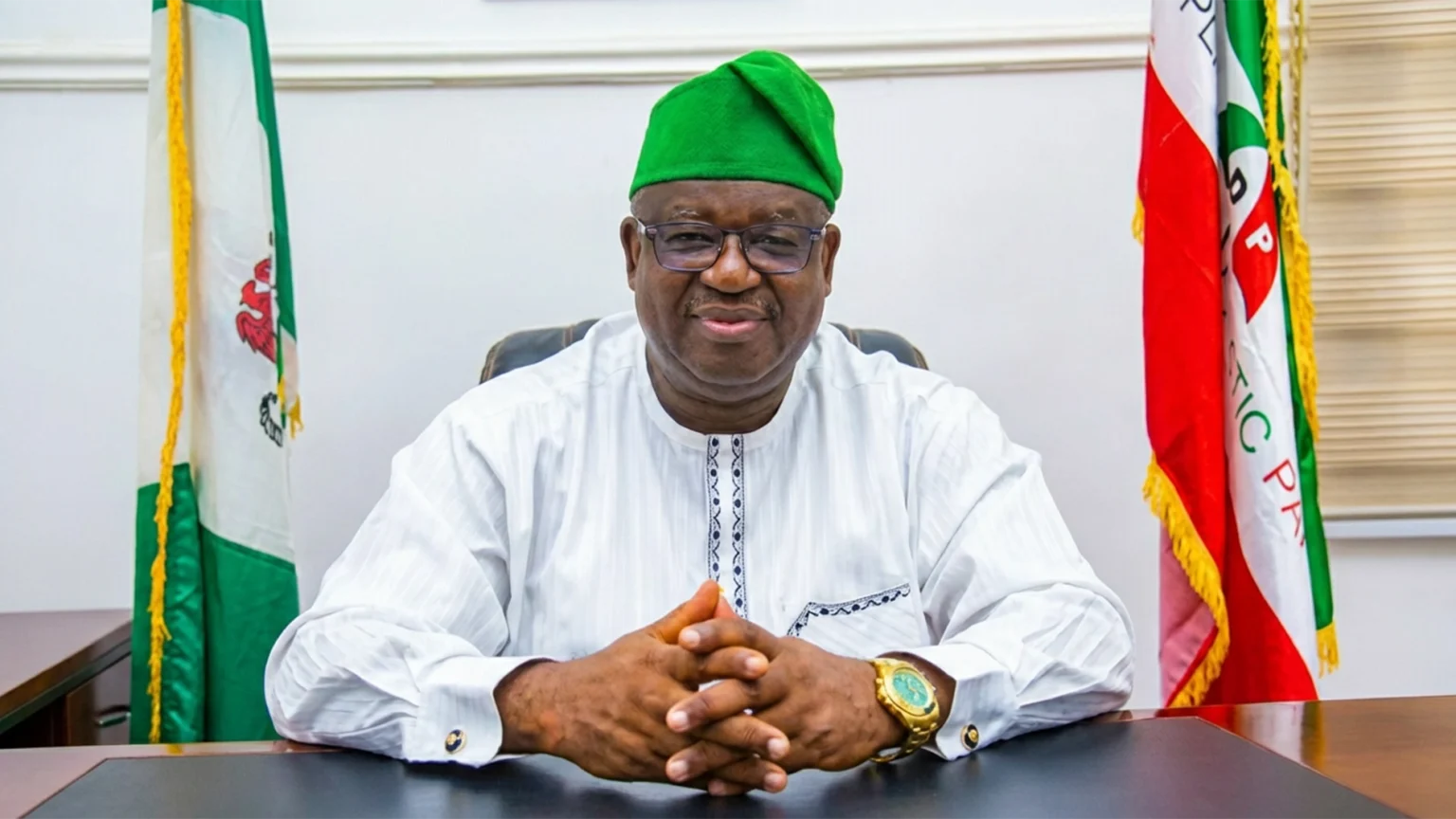
Caleb Muftwang