***Warns of Growing Risk to Press in Conflict Zones
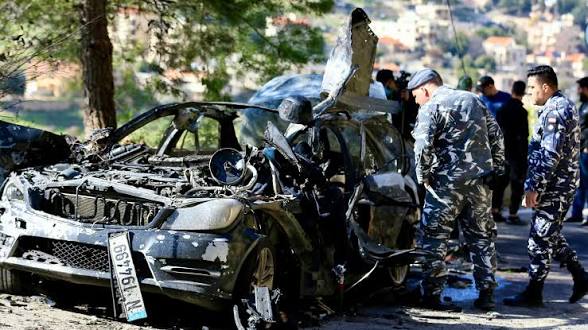
The killing of three journalists in southern Lebanon has reignited concerns over the safety of media practitioners in active conflict zones, with the Human Rights Writers Association of Nigeria (HURIWA) warning that such incidents may signal a dangerous erosion of respect for international humanitarian norms.
In a strongly worded reaction, HURIWA described the incident as a grave violation of international law and urged global institutions to take a firmer stance on protecting journalists working in volatile regions.
The group said the deaths underscore a recurring pattern in modern warfare, where reporters—often on the frontlines documenting events—find themselves increasingly at risk of becoming targets.
“Journalists are not combatants. They are witnesses to history,” HURIWA stated, stressing that their role is essential in ensuring transparency, accountability, and the flow of information during conflicts.
The organisation expressed concern that conflicting narratives surrounding the incident highlight a broader challenge in modern warfare—where distinctions between combatants and non-combatants are becoming increasingly blurred.
Reports indicate that the journalists were killed in a strike in southern Lebanon, with their media employers confirming their deaths. However, differing accounts have emerged regarding the circumstances of the attack and the role of those involved.
HURIWA noted that regardless of the claims and counterclaims, international law provides clear protections for journalists, particularly under the Geneva Conventions and their Additional Protocols, which classify them as civilians unless they take direct part in hostilities.
“Even in war, there are rules,” the group said. “The deliberate targeting of journalists, if established, is unacceptable and must be subjected to independent and transparent investigation.”
The rights group called for an impartial inquiry into the incident, urging international bodies to ensure accountability and prevent what it described as a growing culture of impunity.
HURIWA also cautioned that repeated attacks on journalists could have far-reaching consequences, including discouraging media coverage in conflict zones and limiting global awareness of humanitarian crises.
“When journalists are silenced, the world loses visibility into what is happening on the ground,” the group warned. “That vacuum can enable further violations to go unchecked.”
The organisation further called on governments and armed groups worldwide to reaffirm their commitment to protecting journalists, adding that press freedom remains a cornerstone of democratic accountability and human rights protection.
It emphasised that safeguarding journalists is not only a legal obligation but also a moral responsibility for all parties involved in armed conflict.
The incident, HURIWA said, should serve as a wake-up call to the international community to strengthen mechanisms that protect journalists and ensure that violations do not go unpunished.
As global conflicts continue to evolve, the group maintained that protecting those who report on them must remain a priority—both to uphold the law and to preserve the public’s right to know.