


The Nigeria Police Force has clarified that Inspector-General of Police, Olatunji Disu, does not oppose Nigerians recording police officers while performing their duties in public.
The Force, however, warned against using such recordings to ridicule officers, provoke them or turn police encounters into social media entertainment.
The clarification followed criticism of Disu’s recent comments on citizens filming policemen, with the Force New Media Officer, Aliyu Giwa, saying the IGP’s concern was the misuse of recordings rather than legitimate documentation of police activities.
Giwa, in a series of posts on X on Saturday, said the police had no intention of shielding officers from accountability or denying citizens their rights.
According to him, responsible recording could serve both the public and the police by providing evidence of misconduct and protecting officers against false allegations.
“It is important to distinguish between responsible documentation and the deliberate exploitation of Police encounters for social media content,” Giwa said.
He said police officers, like other citizens, were entitled to dignity and privacy, stressing that wearing a uniform did not remove those rights.
The clarification comes days after Disu told the leadership of the Nigerian Bar Association during a courtesy visit to the Force Headquarters in Abuja that officers were increasingly being filmed for social media skits.
Disu described the practice as “very, very demoralising” but acknowledged that Nigerians had the right to record officers performing their duties in public.
“We are not saying they cannot exercise their rights of recording officers in the public places while doing their jobs,” the IGP said.
He, however, urged citizens to exercise restraint and avoid turning police officers into content for entertainment.
The position generated debate among lawyers, human rights groups and other Nigerians, with critics arguing that public officials performing official duties should remain open to legitimate scrutiny.
The controversy also comes against the backdrop of a March 17 judgment of the Federal High Court in Warri, Delta State, which affirmed Nigerians’ right to record police officers while carrying out their duties in public.
Giwa said the police were not seeking to challenge legitimate scrutiny, but wanted citizens to use technology responsibly.
He also disclosed that body cameras were part of ongoing discussions on modern and accountable policing, noting that such technology could protect both police officers and members of the public.
“The police need to be accountable and citizens should exercise their rights in a responsible way,” Giwa said.
He urged Nigerians to move away from framing the matter as a confrontation between the police and the public or between the IGP and the NBA.
Rather, he said the focus should be on balancing accountability with responsibility, transparency with privacy, and citizens’ rights with the professional discharge of police duties.
Giwa added that the police-NBA engagement demonstrated that institutions could disagree on contentious issues while continuing to engage constructively.
He said the answer in the digital age was not to fear cameras but to promote responsible use of technology and professionalism within the police.
“The camera should not weaken the institution. Also, institutions should not fear legitimate scrutiny,” he said.
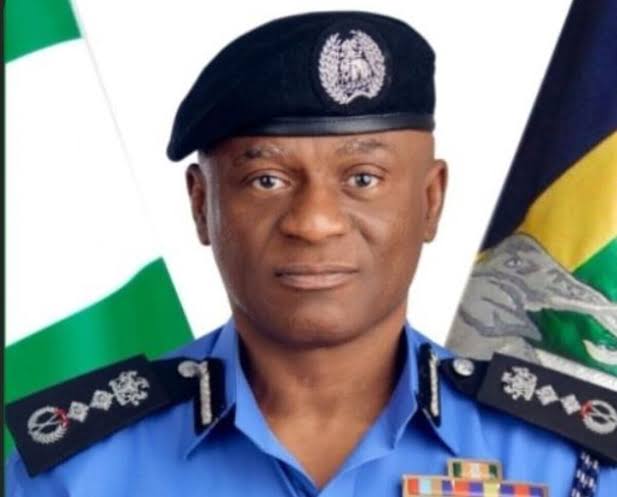
Inspector-General of Police, Olatunji Disu
