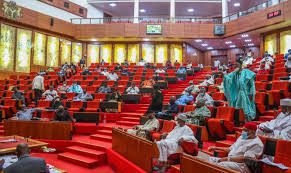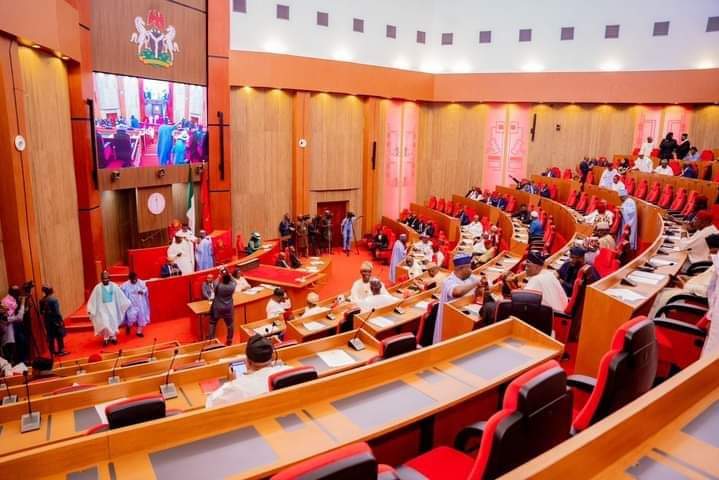
The Senate has intensified its scrutiny of Nigeria’s oil sector, summoning the immediate past leadership of the Nigerian National Petroleum Company Limited (NNPCL) over an alleged ₦210 trillion in unaccounted funds while also launching an investigation into a controversial ₦5 billion spent on the company’s rebranding.
Those invited to appear before the Senate Committee on Petroleum Resources (Upstream) include former Group Chief Executive Officer Mele Kyari, ex-Chief Financial Officer Umar Ajia Isa, and former General Manager of NAPIMS Bala Wunti.
They are expected to appear alongside the current management of the national oil company and external auditors who handled the firm’s accounts between 2017 and 2023.
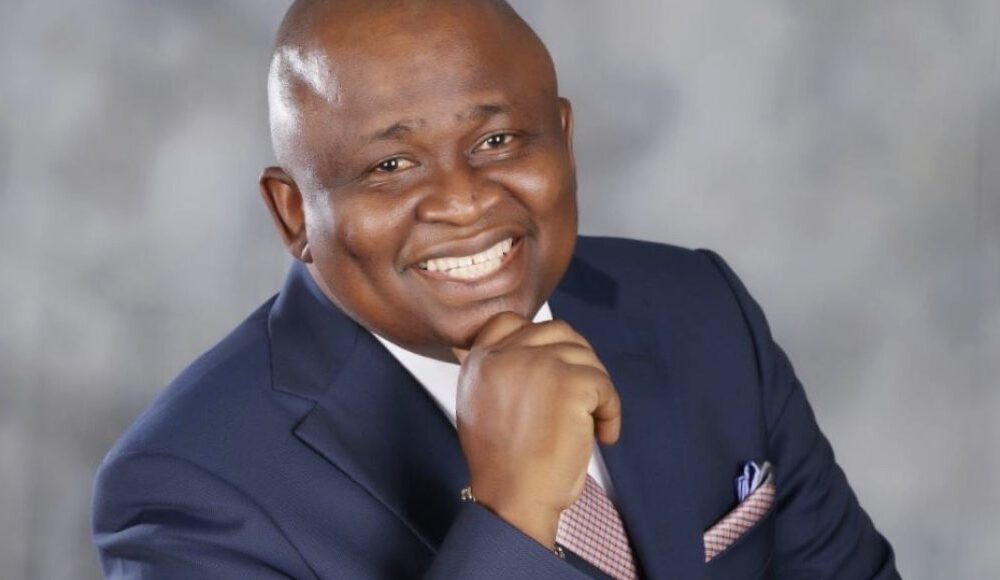
Chairman of the committee, Aliyu Wadada Ahmed, warned that failure to honour the summons could lead to the issuance of arrest warrants, stressing that the matter concerns funds of enormous national significance.
“This is a matter of national importance. We cannot allow such huge sums to hang over the nation without proper accountability,” the lawmaker said.
According to the committee, the ₦210 trillion under review consists of ₦103 trillion reportedly spent by NNPCL’s joint venture partners through cash calls, as well as ₦107 trillion recorded as subsidy receivables and other sundry debts allegedly owed by banks and related entities.
Lawmakers said previous explanations provided by NNPCL were unsatisfactory and demanded a comprehensive breakdown of the figures.
Another major point of contention is the ₦5 billion reportedly spent to change the company’s name from Nigerian National Petroleum Corporation (NNPC) to the Nigerian National Petroleum Company Limited, a move the committee described as excessive and unacceptable.
The Senate also directed the oil firm to reform its treasury operations by recovering production costs charged against crude oil revenues, noting that the national oil company and its subsidiaries are not direct producers of crude oil.
In addition, the Office of the Auditor-General for the Federation has been mandated to conduct a forensic audit of the company’s finances in accordance with Section 85 of the Constitution of the Federal Republic of Nigeria (1999).
Senator Wadada stressed that the investigation was not politically motivated but aimed at promoting fiscal responsibility and transparency in the management of public resources.
“We support the Federal Government’s commitment to transparency and good governance under the administration of Bola Ahmed Tinubu,” he said. “However, this committee will ensure that individuals are held accountable where public funds have been mismanaged.”
Lawmakers also expressed frustration that the national oil company had failed to respond adequately to 19 queries raised in earlier audit reports, particularly concerning joint venture cash calls and subsidy receivables.
The hearing, observers say, could prove pivotal in determining both individual accountability and broader reforms in the governance of Nigeria’s petroleum sector.
With the Senate pushing for greater transparency, the outcome of the probe may set an important precedent for how past and present managers of the country’s oil wealth are held to account.
Senate Summons Kyari, Others Over ₦210tr NNPCL Funds, Queries ₦5bn Rebranding Cost