What began as a routine Area Council election in Nigeria’s capital has evolved into a fierce debate over credibility, as the Independent National Electoral Commission (INEC) battles allegations of result manipulation in the Federal Capital Territory (FCT).
The controversy was triggered by a viral claim that a political party secured 1,219 votes at Kuroko Health Centre polling unit in Yangoji Ward, Kwali Area Council — despite the unit having only 345 registered voters and 213 accredited voters. The figures sparked outrage online, with critics describing them as mathematically impossible.
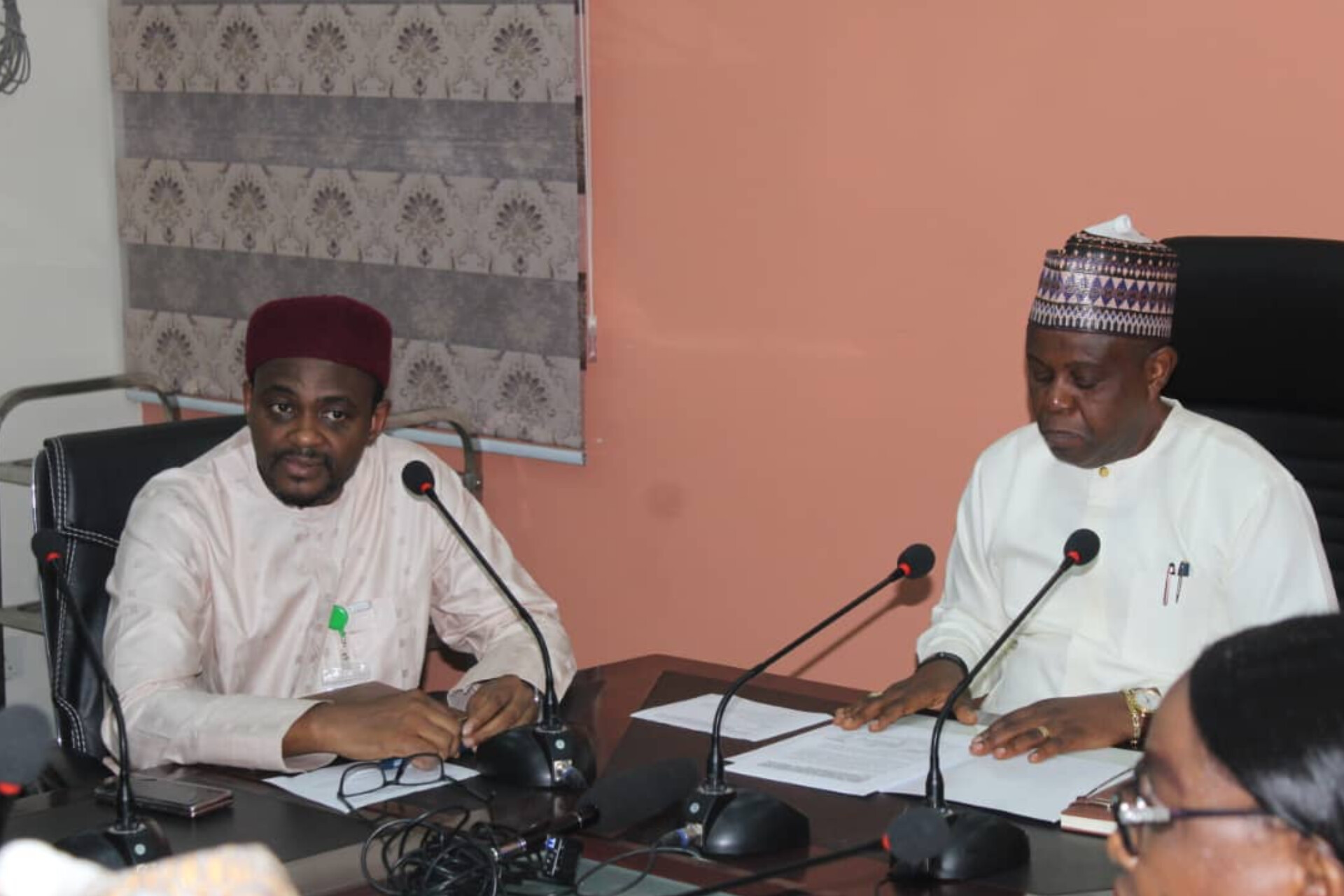
In a statement signed by the FCT Resident Electoral Commissioner, Aminu Idris, the commission dismissed the allegation as false and misleading. It clarified that the party in question actually scored 121 votes, not 1,219 as widely circulated on social media.
According to INEC, the discrepancy resulted from a simple clerical error. The Presiding Officer initially recorded 122 votes but corrected the figure to 121 after conducting a recount in the open. The adjustment, the commission said, was reflected both in numerals and in words on the official result sheet.
The electoral body emphasized that its digital safeguards — including the Bimodal Voter Accreditation System (BVAS) and the INEC Result Viewing Portal (IReV) — are designed to prevent over-voting and manipulation, as uploaded results must correspond with the number of accredited voters.
Yet the incident has fed into broader concerns.
Separate documents circulating from the Abuja Municipal Area Council (AMAC) reportedly showed inconsistencies between accredited voters and votes scored by a party, raising fresh questions about collation procedures. Broadcaster Rufai Oseni publicly challenged the figures, asking how such discrepancies could pass through multiple verification stages.
The disputed results came shortly after INEC declared Christopher Maikalangu of the All Progressives Congress (APC) winner of the AMAC chairmanship election. His closest rival, Moses Paul of the African Democratic Congress (ADC), rejected the outcome and called for a comprehensive review.
In the wider FCT contest, the APC secured five area councils, while the Peoples Democratic Party (PDP) clinched Gwagwalada. The ruling party also swept recent by-elections in Rivers and Kano states.
Civil society groups, including the Public and Private Development Centre (PPDC) and Yiaga Africa, have since demanded a forensic audit of the FCT results, warning that even isolated cases of over-voting — or perceived irregularities — could deepen voter apathy and erode trust in the electoral system.
For INEC, the task now goes beyond correcting figures. It must restore confidence in a process increasingly tested by digital-era scrutiny, where every number is examined and every error amplified. In the court of public opinion, credibility is not declared — it is earned.
FCT Polls: INEC Moves to Quell Manipulation Claims Amid Growing Scrutiny