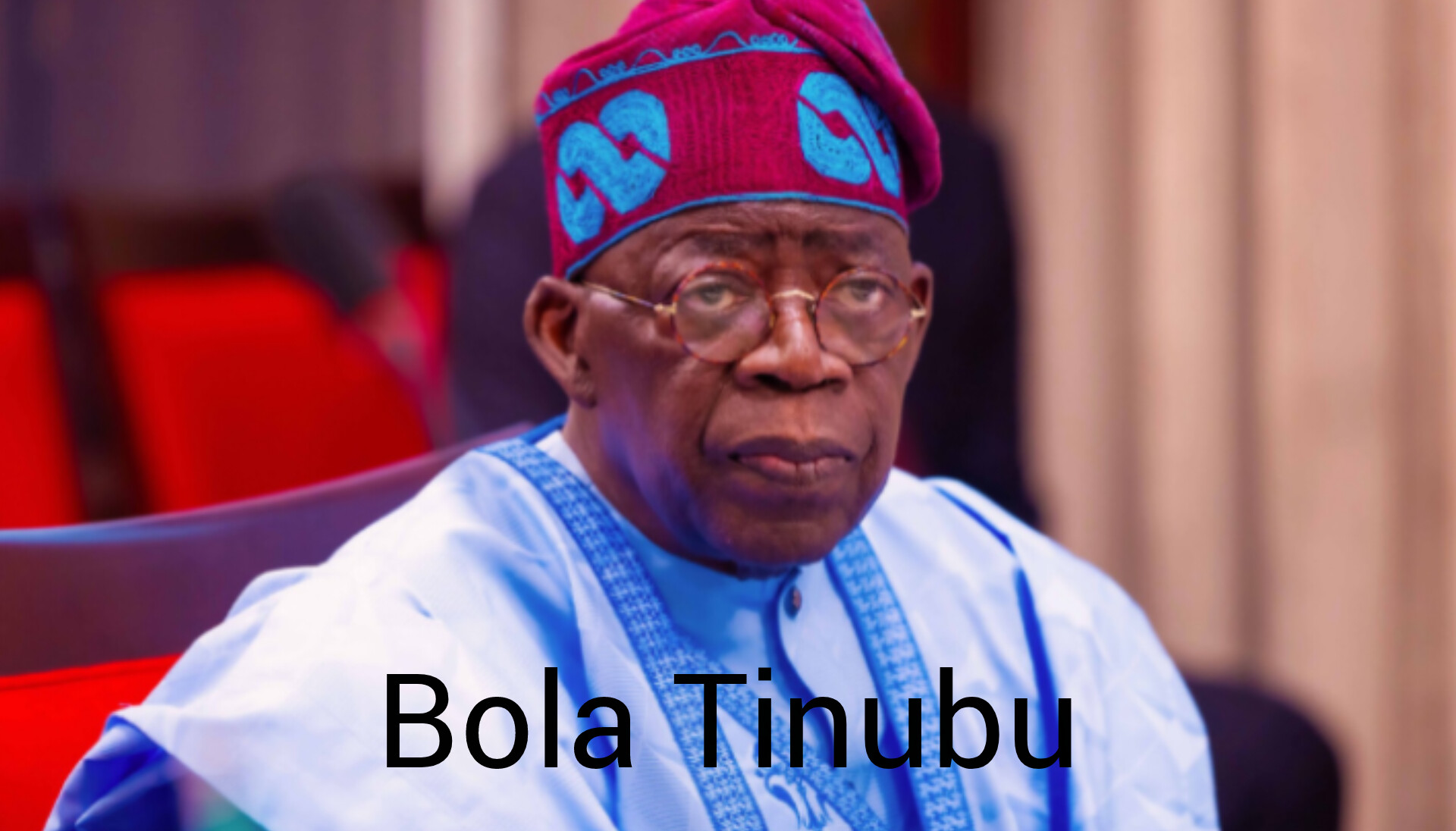

Nigeria’s democracy has come under a blistering international indictment, with the Human Rights Foundation declaring that the country has crossed into the “fully authoritarian” category after years of alleged institutional decay, electoral manipulation and shrinking space for dissent.
The damning verdict, published on the Foundation’s Tyranny Tracker, goes beyond criticising President Bola Tinubu’s administration, pointing instead to what it describes as a deeper structural crisis: institutions designed to restrain government power are allegedly no longer strong enough to do so.
According to the assessment, Nigeria failed the Foundation’s three key tests—electoral competition, freedom of dissent and institutional accountability—raising fresh questions about the quality of democracy in Africa’s most populous nation.
The report acknowledged Nigeria’s longest stretch of civilian rule since independence, including seven consecutive elections and the historic 2015 transfer of power from the ruling party to the opposition.
But it argued that the endurance of elections has not necessarily translated into the endurance of democratic institutions.
Instead, successive administrations allegedly consolidated power across the executive, legislature and judiciary, creating what the Foundation described as an environment of weak checks, corruption, clientelism and impunity.
The Foundation’s most severe criticism was directed at Nigeria’s electoral system.
It alleged that the political playing field is heavily tilted towards the ruling party, with opposition parties facing restrictions on rallies, limited access to state-owned facilities and media, excessive administrative charges and alleged interference by security agencies.
The report also questioned the independence of the Independent National Electoral Commission, alleging that politically controversial appointments and executive influence over funding have weakened the commission’s autonomy.
The 2023 presidential election became a major exhibit in the Foundation’s case.
It described the election as flawed, citing legal disputes, protests, alleged manipulation, voter disenfranchisement, delayed result transmission and election-related violence.
The report claimed that more than 100 people died in election-related violence and that over one million voters were disenfranchised.
It further alleged that opposition supporters were attacked by political thugs and vigilante groups in several states.
The implication was stark: Nigeria may still hold elections, but the Foundation questions whether voters compete on a genuinely level political field.
The report also raised an alarm over the shrinking space for criticism.
Journalists, activists, civil society organisations, opposition politicians and ordinary Nigerians were said to face intimidation, arrests, prosecution and censorship for challenging government policies.
The Foundation cited the detention of journalists during the August 2024 protests, prosecutions under the Cybercrimes Act and actions against labour leaders and activists.
It also pointed to sanctions against citizens over social media posts critical of government officials.
The National Broadcasting Commission’s restriction of Eedris Abdulkareem’s protest song, Tell Your Papa, was cited as another example of what the Foundation described as pressure on critical expression.
Perhaps the most consequential part of the report is its assessment of Nigeria’s institutional architecture.
The Foundation alleged that the judiciary has weakened its role as a check on executive authority through delays and dismissals involving election petitions and cases challenging government actions.
It also raised concerns over alleged non-compliance with judgments of the ECOWAS Court of Justice.
The Foundation specifically criticised the National Assembly’s March 2025 approval of the state of emergency in Rivers State, arguing that the voice vote used in the process failed to satisfy constitutional requirements.
The report further alleged that security personnel accused of human rights violations have frequently escaped prosecution, deepening what it called a “longstanding culture of impunity.”
The Foundation also directly questioned President Bola Tinubu’s emergence from the 2023 presidential election, describing the poll as flawed and citing the legal challenges and controversies that followed.
It alleged that the administration enjoys substantial campaign advantages while opposition parties face institutional obstacles.
However, the assessment’s broader argument is not simply that one election was flawed.
Its central warning is that the machinery that is supposed to prevent flawed elections, protect dissent and restrain executive power has itself become weakened.
That distinction makes the report particularly damaging.
Nigeria has now spent more than 25 years under uninterrupted civilian government since 1999.
Yet the HRF assessment suggests that the passage of time alone has not strengthened democracy.
Rather, it alleges that political power has become increasingly concentrated while institutions have become increasingly vulnerable.
For a country of more than 240 million people and one of Africa’s most influential democracies, the classification carries enormous political weight.
The Nigerian government has previously rejected international criticism of its human rights record and electoral management.
But the latest report leaves Nigeria facing a blunt democratic test:
If elections are held but opposition parties cannot compete freely, if criticism attracts punishment, and if institutions cannot effectively check those in power—what exactly remains of democracy beyond the ballot box?