


The Senate on Monday threatened constitutional sanctions against the Central Bank of Nigeria (CBN), the Nigerian Upstream Petroleum Regulatory Commission (NUPRC), the Niger Delta Development Commission (NDDC) and several other government agencies after they failed to appear before the Senate Public Accounts Committee probing billions of naira in oil and gas revenues captured in the Nigeria Extractive Industries Transparency Initiative (NEITI) audit reports.
The absence of the agencies brought the opening session of the high-profile investigation to an abrupt halt, prompting angry lawmakers to accuse them of undermining the National Assembly’s constitutional oversight powers and frustrating efforts to promote transparency in Nigeria’s extractive sector.
The committee, chaired by Senator Ibrahim Hassan Dankwambo (PDP, Gombe North), had convened the hearing to begin scrutiny of the 2021, 2022 and 2023 NEITI Oil and Gas Industry Audit Reports. The investigation is expected to examine oil revenues, statutory remittances, royalty payments, regulatory compliance and financial obligations involving more than 60 Ministries, Departments and Agencies (MDAs), regulatory bodies, government-owned enterprises and oil companies.
Despite receiving formal invitations and public notices published weeks in advance, several key agencies failed to honour the summons, forcing the committee to suspend proceedings after waiting for over an hour.
Committee members described the no-show as a serious affront to the Senate and warned that continued disregard for legislative invitations could weaken accountability in public institutions.
Senator Babangida Hussaini condemned the repeated absence of government agencies from Senate hearings, describing the trend as unacceptable. He stressed that the committee’s investigative powers are backed by the Constitution and the Senate Standing Orders, making compliance with its summons mandatory rather than optional.
He lamented that senators interrupted their annual recess and constituency engagements only to discover that none of the invited agencies considered it necessary to send either their chief executives or representatives.
Senator Francis Ndubueze also faulted the agencies for failing to offer any explanation for their absence, noting that no letters of apology or requests for adjournment were submitted. He said the conduct amounted to disrespect for the National Assembly and its constitutional responsibilities.
Following deliberations, the committee granted the defaulting agencies one final opportunity to appear on Thursday, August 6, 2026, warning that failure to honour the fresh summons could trigger constitutional enforcement measures.
The committee directed its secretariat to immediately notify all affected organisations that non-compliance with the rescheduled hearing would leave the Senate with no option but to enforce its powers under the law.
The investigation, being conducted under Sections 85(5), 88 and 89 of the 1999 Constitution (as amended), as well as Order 95(5)(d) of the Senate Standing Orders, 2026, is aimed at determining whether revenues due to the Federation Account were fully remitted, whether statutory financial obligations were met and whether any leakages identified in the NEITI audit reports warrant legislative or prosecutorial action.
Among organisations expected to appear before the committee are the Nigerian National Petroleum Company Limited (NNPCL), NEITI, the Nigerian Midstream and Downstream Petroleum Regulatory Authority (NMDPRA), the Revenue Mobilisation Allocation and Fiscal Commission (RMAFC), the Office of the Accountant-General of the Federation, the Office of the Auditor-General for the Federation, the Ministry of Petroleum Resources, the Federal Ministry of Finance, FAAC, and several indigenous and international oil companies.
With its first sitting ending without substantive proceedings, the committee signalled that Thursday’s hearing will test the Senate’s resolve to enforce accountability in the management of Nigeria’s oil and gas revenues.
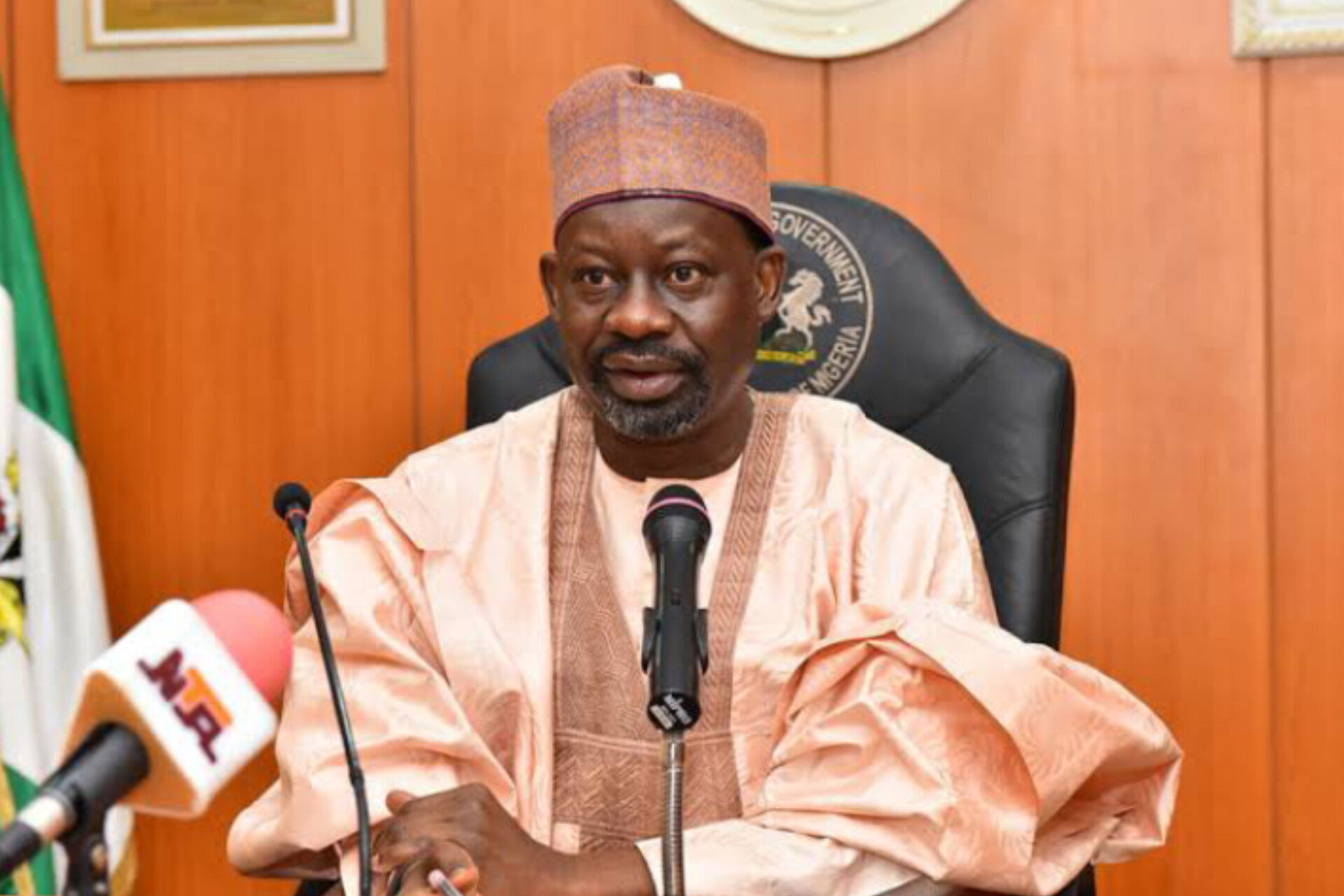
Senator Ibrahim Hassan Dankwambo
