


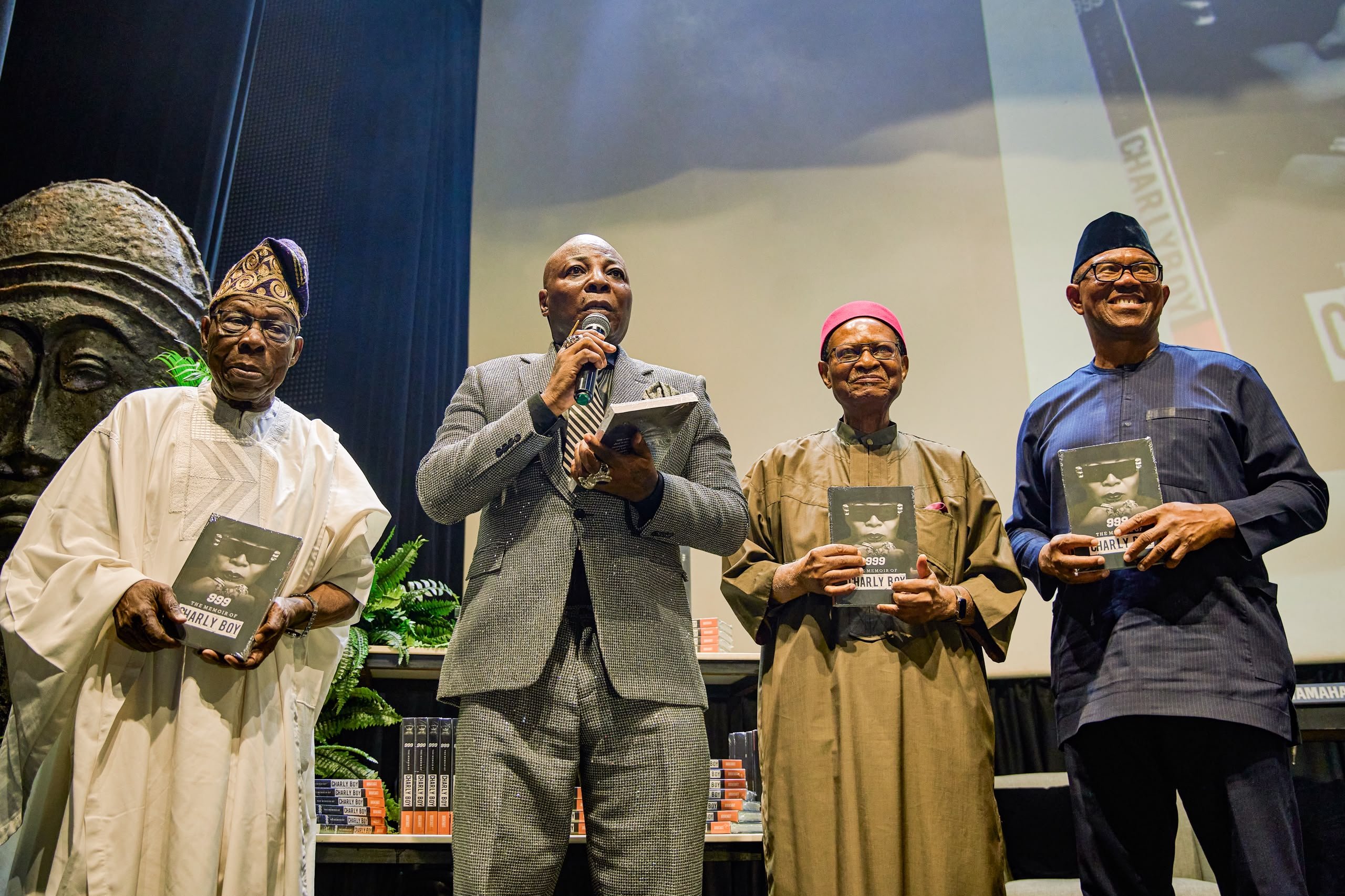
The presidential candidate of the National Democratic Coalition (NDC), Peter Obi, has celebrated veteran entertainer Charles Oputa, popularly known as Charly Boy, and renowned environmentalist and adventurer Newton Jibunoh as two Nigerians whose lives exemplify courage, patriotism and unwavering commitment to national development.
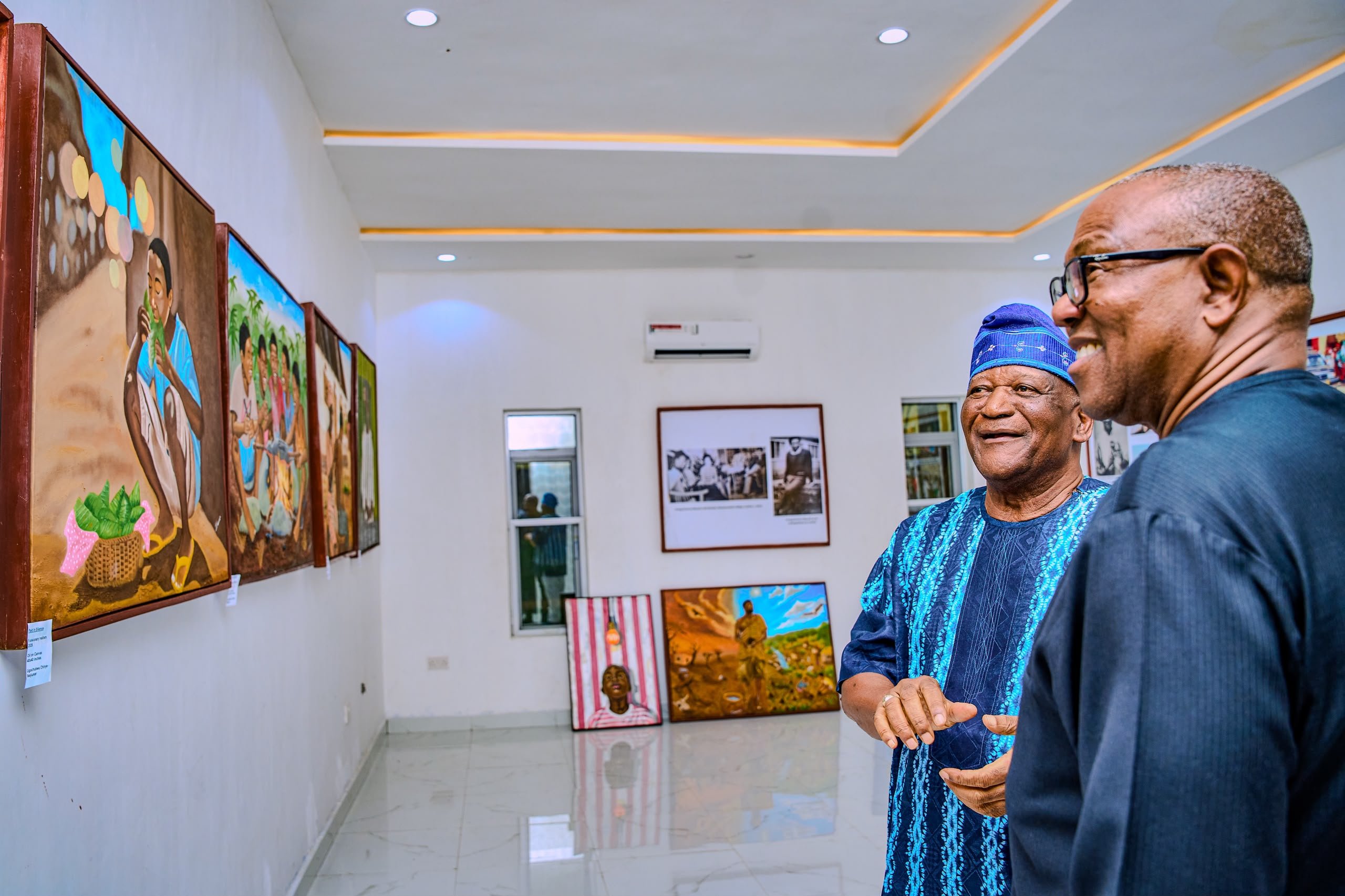
Obi paid the tribute after attending the launch of *999: The Memoir of Charly Boy* in Lagos and visiting the newly established Newton Jibunoh Centre and Museum in Asaba.
He said Charly Boy’s unconventional public image has often overshadowed the depth of his character, describing the entertainer as an intellectual, compassionate humanitarian and patriot dedicated to making Nigeria a better place.
Obi particularly applauded Charly Boy’s advocacy for men’s health, noting that the veteran performer transformed his personal battle with prostate cancer into a nationwide campaign promoting awareness, early diagnosis and improved access to treatment.

He stressed that investing in healthcare is essential to national progress and pledged continued support for initiatives that improve the well-being of Nigerians.
Turning to Newton Jibunoh, Obi described the elder statesman as one of Nigeria’s living icons whose extraordinary life continues to inspire generations.
Although he was unable to attend Jibunoh’s Mandela Day event themed *”Poverty and Inequality Are in Our Hands,”* Obi said it was important to personally visit the centre and museum established in his honour.
He recalled Jibunoh’s historic road expeditions across the Sahara Desert to London, beginning in 1967 and repeated in later years, describing the journeys as remarkable demonstrations of resilience, determination and adventurous spirit.
Obi observed that Jibunoh’s exploits also evoke memories of a time when travelling across Nigeria and beyond was far safer than it is today, saying the contrast highlights the urgent need to restore security across the country.
He added that every encounter with Jibunoh reinforces the task of rebuilding a united, peaceful and prosperous Nigeria.
Obi ended his remarks with his familiar refrain: “A New Nigeria is Possible.”
