By: Ahmed Rufa’i, Dutse
Former Minister of Education, Professor Rukayya Ahmed Rufa’i, has identified weak community ownership and chronic underinvestment as core drivers of Northern Nigeria’s persistent education crisis, warning that classrooms alone cannot fix the region’s widening learning gap.
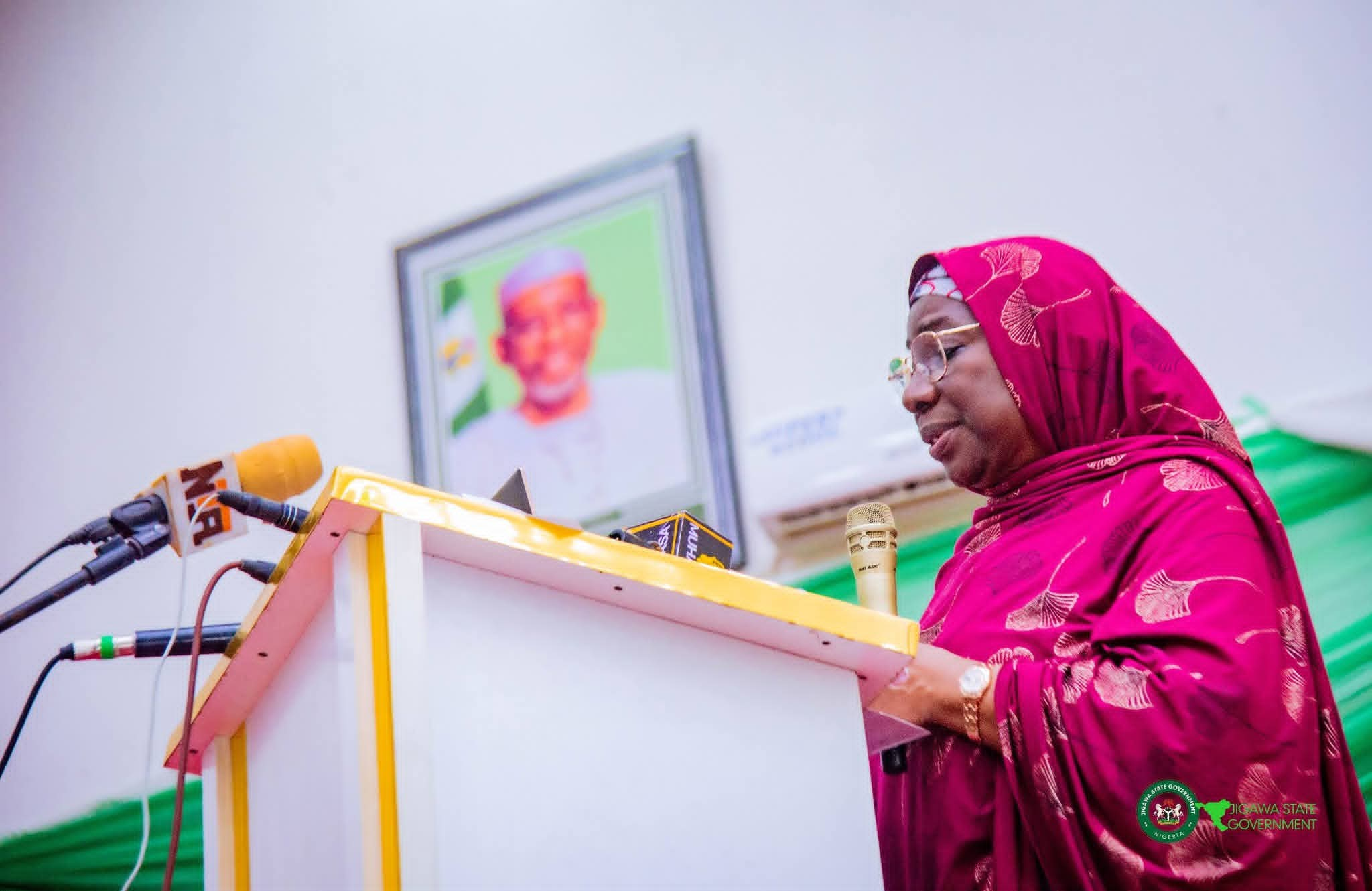
Speaking at the 12th Annual Lecture of the Sir Ahmadu Bello Sardauna Memorial Foundation in Dutse, Jigawa State, Rufa’i said the slow pace of educational development reflects a deeper breakdown in community participation, teacher availability and cultural alignment with schooling.
Her lecture, titled “Delivering Equitable Access to Quality Basic Education in Northern Nigeria: A Time for Real Action,” highlighted the scale of the challenge, noting that more than 18 million Nigerian children are out of school, with over 70 per cent located in the North.
According to her, the consequences extend far beyond literacy, exposing millions of children to radicalisation, social exclusion, economic stagnation, hunger, high maternal mortality and criminal activity.
Rufa’i argued that education policies in the region have often failed because they overlook local realities, stressing that poor funding, unsafe learning environments, shortages of qualified teachers and weak community buy-in continue to undermine progress.
She maintained that without deliberate reforms focused on adequate financing, teacher recruitment, culturally responsive curricula and community ownership, meaningful development in Northern Nigeria would remain elusive.
Chairman of the Board of Trustees of the foundation and former Governor of Niger State, Alhaji Babangida Muazu, lamented what he described as the region’s departure from the vision of Sir Ahmadu Bello, whose leadership prioritised equitable education, unity and social cohesion.
Muazu urged political leaders, traditional institutions and communities to reconnect with that legacy by taking collective responsibility for tackling the region’s social, economic and security challenges.
Chairman of the occasion and Governor of Gombe State, Alhaji Muhammadu Inuwa Yahaya, said the education crisis demands a coordinated regional response, pledging that the Northern Governors’ Forum would pursue a unified reform framework rather than fragmented state-by-state interventions.
He commended the Sir Ahmadu Bello Sardauna Memorial Foundation for sustaining dialogue on governance and development, describing education as the cornerstone of the region’s long-term stability.
Host Governor of Jigawa State, Malam Umar Namadi, reaffirmed his administration’s commitment to partnering with stakeholders to drive education reforms and strengthen governance across Northern Nigeria.
As calls for reform grow louder, the lecture underscored a recurring message: fixing education in Northern Nigeria will require not only government action, but renewed commitment from communities themselves.