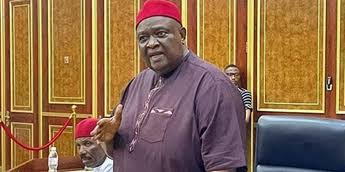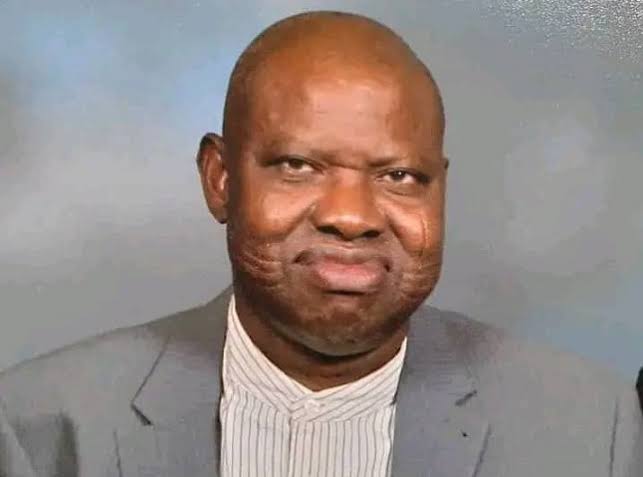
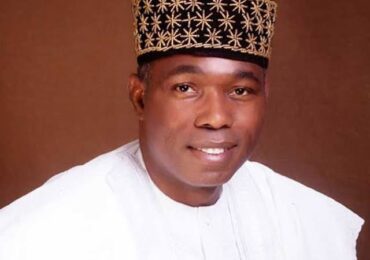
.Prince Adewole Adebayo, former presidential candidate of the Social Democratic Party (SDP), has described the late Senator Godiya Akwashiki as one of the last enduring symbols of principled politics in Nigeria—a public servant whose life reflected discipline, restraint and a deep sense of democratic responsibility.
In a moving tribute, Adebayo said Akwashiki’s death represents more than the loss of a legislator; it marks the departure of a political tradition anchored in conscience, service and respect for institutions.
According to him, the late senator’s passing is deeply painful for the people of Nasarawa North, whom he represented with distinction, but it is also a sobering loss for Nigeria’s political community and the Social Democratic Party family.
“Moments like this remind us that politics can still be about responsibility rather than privilege,” Adebayo said, noting that to speak of Akwashiki is to preserve the memory of a life that mattered.
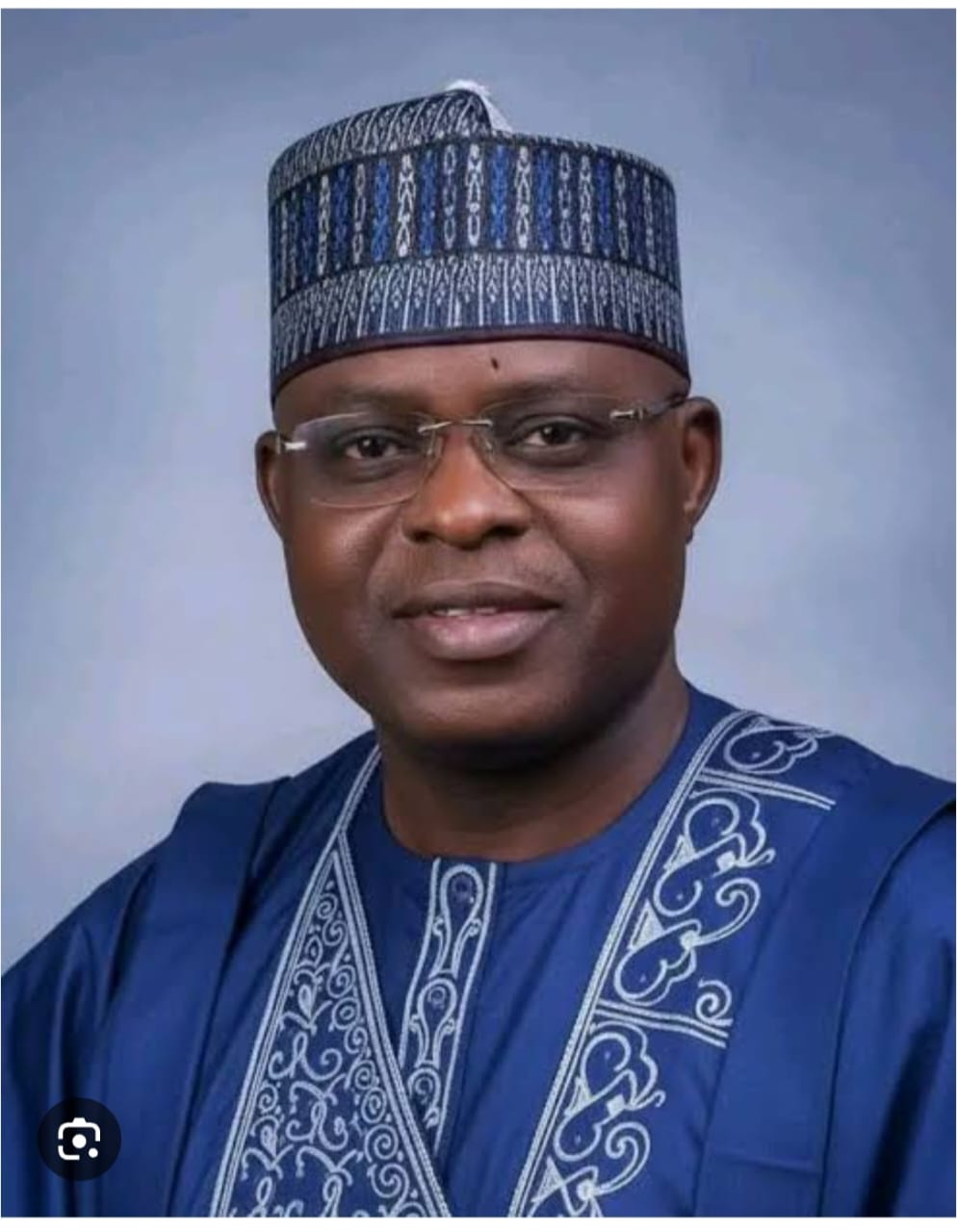
Adebayo traced Akwashiki’s rise to national prominence to a career shaped by patience, learning and respect for process. Educated within Nigeria’s public institutions, the late senator began his professional life at the Nigerian National Petroleum Corporation (NNPC), where he gained early exposure to the workings of the state.
That experience, Adebayo noted, helped mould Akwashiki’s understanding of governance—not as spectacle, but as a system meant to serve the common good.
His entry into politics in Nasarawa State followed a similar pattern of gradual trust-building. From the State House of Assembly to the National Assembly, his rise was defined not by sudden influence, but by consistent delivery and attentive representation.
As Majority Leader and later Deputy Speaker of the Nasarawa State House of Assembly, Akwashiki earned a reputation for balancing firmness with collegiality. That approach, Adebayo said, became his signature style—one that carried seamlessly into his tenure in the Senate.
In the Senate, Akwashiki was known less for political drama and more for institutional seriousness. Adebayo observed that he pursued relevance over visibility, focusing on substance rather than self-promotion.
Whether chairing committees on Labour and Employment, Inter-Parliamentary Affairs or National Defence, Akwashiki approached leadership as stewardship, guided by the understanding that policy decisions have real human consequences.
“He never treated legislation as an abstract exercise,” Adebayo said. “For him, governance was about lives, livelihoods and national stability.”
Values That Defined His Public Life
Beyond legislative titles and committee roles, Adebayo said Akwashiki’s true legacy lies in the values he brought into public office.
He described the late senator as a firm believer in the dignity of labour, the necessity of dialogue and the moral obligation of leaders to protect the vulnerable. These convictions, he noted, earned Akwashiki the respect of labour unions, civic institutions and international parliamentary bodies.
“These recognitions were not ceremonial,” Adebayo said. “They were acknowledgements of a man who understood that governance must improve lives, not merely manage power.”
Adebayo said Akwashiki’s association with the Social Democratic Party carried special significance, describing the SDP as more than a political platform.
“The SDP is a tradition—rooted in social justice, human welfare and disciplined democracy,” he said. “Senator Akwashiki’s alignment with that tradition was not accidental; it was an expression of conviction.”
At a time when political defections are often driven by expediency, Adebayo said Akwashiki’s commitment to values over convenience stood out as a reminder that ideology still matters.
On a personal level, Adebayo described Akwashiki as a reminder of what Nigerian politics can still represent at its best.
“He was accessible without being unserious, firm without arrogance, and ambitious without losing sight of service,” he said.
Even in moments of disagreement, Akwashiki remained respectful, believing that democracy thrives not on uniformity but on disciplined disagreement guided by national interest.
“He carried his people with him, not behind him,” Adebayo added, underscoring a leadership style rooted in inclusion rather than distance.
Adebayo said Akwashiki’s passing should prompt serious reflection among those still in public life, urging leaders to ask whether they are building legacies or merely occupying offices.
According to him, the late senator left behind more than records of service; he left a benchmark—of representation grounded in conscience, leadership anchored in humanity and politics guided by accountability.
“To his wife and children, no public honour can replace the loss of a husband and father,” Adebayo said, expressing hope that they would find comfort in the knowledge that his life touched countless lives.
To the people of Nasarawa North, he offered a powerful affirmation: “You did not merely elect a senator; you raised a statesman.”
And to members of the SDP, Adebayo said the party has lost a pillar but gained a legacy—one that must now be protected through conduct worthy of Akwashiki’s example.
“May Senator Godiya Akwashiki rest in peace,” he concluded. “May his service continue to speak where words fall short, and may Nigeria one day fully become the country his life and values envisioned.”