


Some achievements are measured not by the day they are attained, but by the years of resilience, sacrifice and unwavering belief that made them possible.
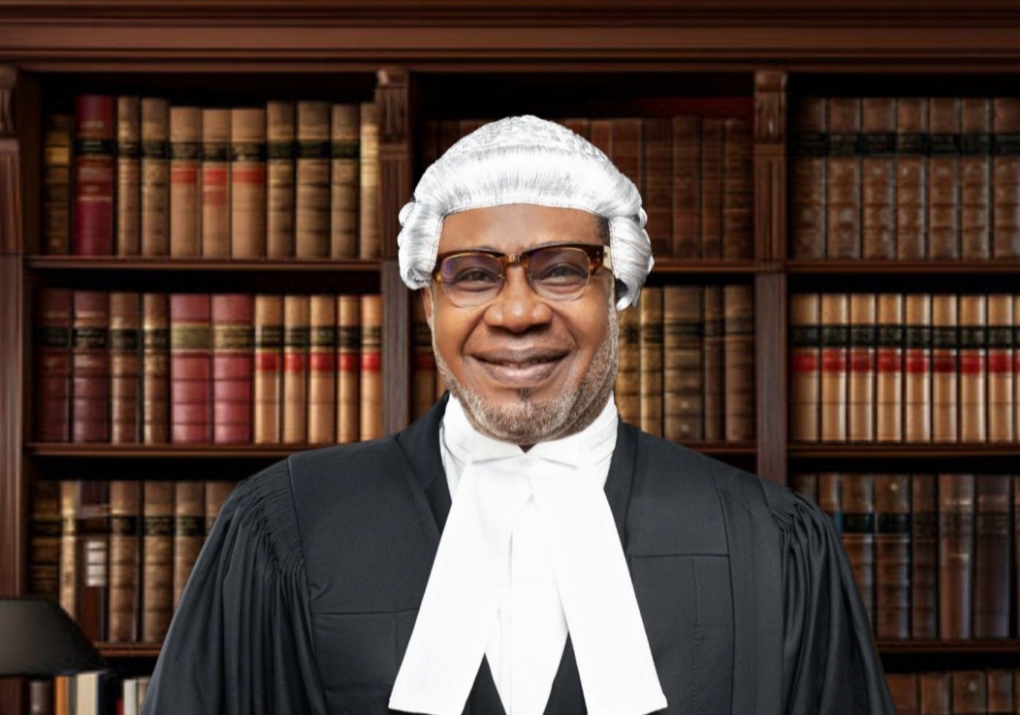
On July 7, 2026, Sir Godfrey Ohuabunwa joined the ranks of Nigeria’s legal practitioners after being formally called to the Nigerian Bar—a defining moment that brought to life a dream he had pursued for more than four decades.
For Sir Godfrey, the occasion was far more than a professional milestone. It was the fulfilment of a childhood vision that refused to fade despite repeated disappointments and countless obstacles.

As the youngest of twelve children in his family, Sir Godfrey made an unusual declaration at an early age: he would become the family’s lawyer. His conviction was so strong that his older siblings pursued careers in medicine, engineering, architecture, pharmacy, accounting, business and other professions, leaving the legal profession for the youngest son who believed it was his calling.
After completing secondary school in the mid-1980s, he sat for the Joint Admissions and Matriculation Board (JAMB) examination with a singular ambition—to study Law. Although he scored well, admission into the Faculty of Law proved elusive. Instead, he was repeatedly offered English Language.
Many would have settled for the alternative.
Sir Godfrey chose persistence.
Over the next several years, he explored every legitimate pathway to realise his dream. He enrolled in the Interim Joint Matriculation Board (IJMB) programme, attended remedial studies in Yola and eventually gained admission to the University of Maiduguri. Yet, admission policies at the time once again denied him a place in the Faculty of Law, and he was offered English Language and Literature.
Refusing to let circumstances define his future, he immersed himself in legal studies by taking virtually every available Law course alongside his degree programme. His exceptional academic performance raised hopes of a transfer to the Faculty of Law, but despite his efforts, the opportunity never materialised.
Rather than allow disappointment to define him, he graduated with distinction in his chosen field, carrying with him an unshaken conviction that one day he would still fulfil his dream of becoming a lawyer.
Years later, during the COVID-19 era, that conviction found new expression. Sir Godfrey returned to the classroom to study Law, embracing the challenge with the same determination that had sustained him since his youth. He excelled academically and completed his law degree with outstanding results.
Although business commitments delayed his attendance at the Nigerian Law School, they never diminished his resolve. After reorganising his professional responsibilities, he proceeded to the Law School, completed the rigorous training and, on July 7, 2026, proudly earned the privilege of wearing the wig and gown of a legal practitioner.
Beyond his academic and professional accomplishments lies a deeper story of faith.
In 1995, Sir Godfrey dedicated his life to Christ, a turning point he describes as the foundation of his personal transformation. He credits his faith with shaping his character, strengthening his discipline and sustaining him through decades of waiting. While hard work and perseverance kept him moving forward, he believes it was God’s grace that ultimately brought his lifelong dream to fulfilment.
Today, Sir Godfrey Ohuabunwa is widely respected as an accomplished entrepreneur, business leader, Harvard alumnus and legal practitioner. Yet, beyond every title and achievement stands the inspiring story of a man who never allowed delay to become defeat.
His journey sends a timeless message to everyone confronting setbacks, rejection or deferred aspirations: dreams do not have an expiry date. With faith, resilience and unwavering commitment, what seems impossible today can become tomorrow’s greatest testimony.
Sir Godfrey Ohuabunwa’s life is a compelling reminder that destiny may be delayed, but it is never denied.
