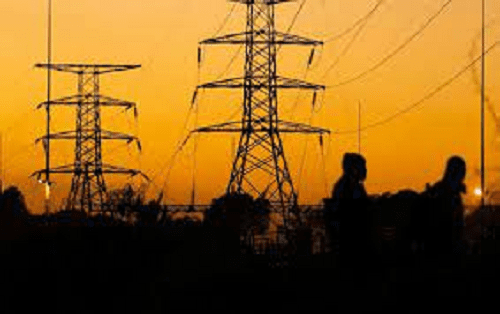
Nigeria was thrown into widespread darkness on Monday afternoon after the national electricity grid collapsed yet again, cutting power supply to most parts of the country and renewing concerns over the stability of the nation’s power infrastructure.
Data from the national grid, monitored by News Point Nigeria, show that electricity generation, which stood at 3,660 megawatts (MW) as of 6:38 pm on Sunday, December 28, 2025, plunged sharply to zero by about 3:10 pm on Monday.
The system failure occurred during peak daytime hours, instantly shutting down power supply to nearly all electricity distribution companies (DisCos) across the country. Homes, businesses and essential services were left scrambling as the blackout spread nationwide.
As of 3:12 pm, only skeletal electricity supply was recorded on the grid. Ibadan Electricity Distribution Company received about 30 MW, while Abuja Electricity Distribution Company was allocated 20 MW. This limited flow represented the only power available on the national network at the time.
All other major DisCos—including Eko, Ikeja, Benin, Enugu, Port Harcourt, Kano, Kaduna, Jos and Yola—recorded zero allocation, highlighting the scale and severity of the system-wide collapse.
The incident points to a major operational breakdown or widespread constraint within the national grid, which is managed by the Transmission Company of Nigeria (TCN). The collapse further strained households and businesses already burdened by high energy costs, fuel dependence and chronic power unreliability.
Nigeria’s grid has suffered repeated failures in recent years, raising persistent questions about its resilience despite ongoing reforms, investment claims and policy interventions in the power sector.
TCN is yet issue an official explanation for the latest collapse or provide a timeline for the restoration of electricity supply, leaving millions of Nigerians uncertain about when power would return.
National Grid Collapse Triggers Widespread Blackout, Exposes Power Sector Fragility