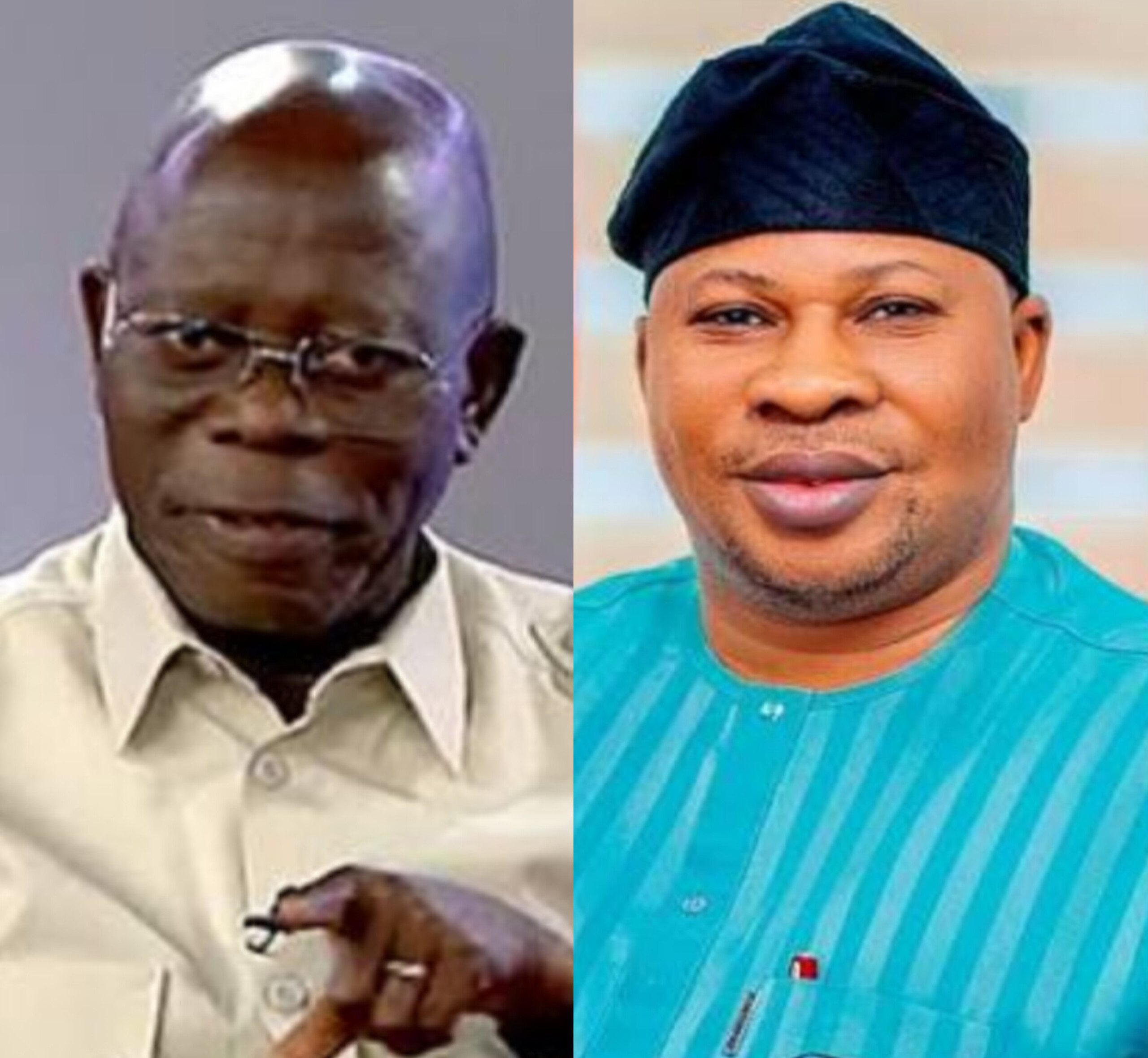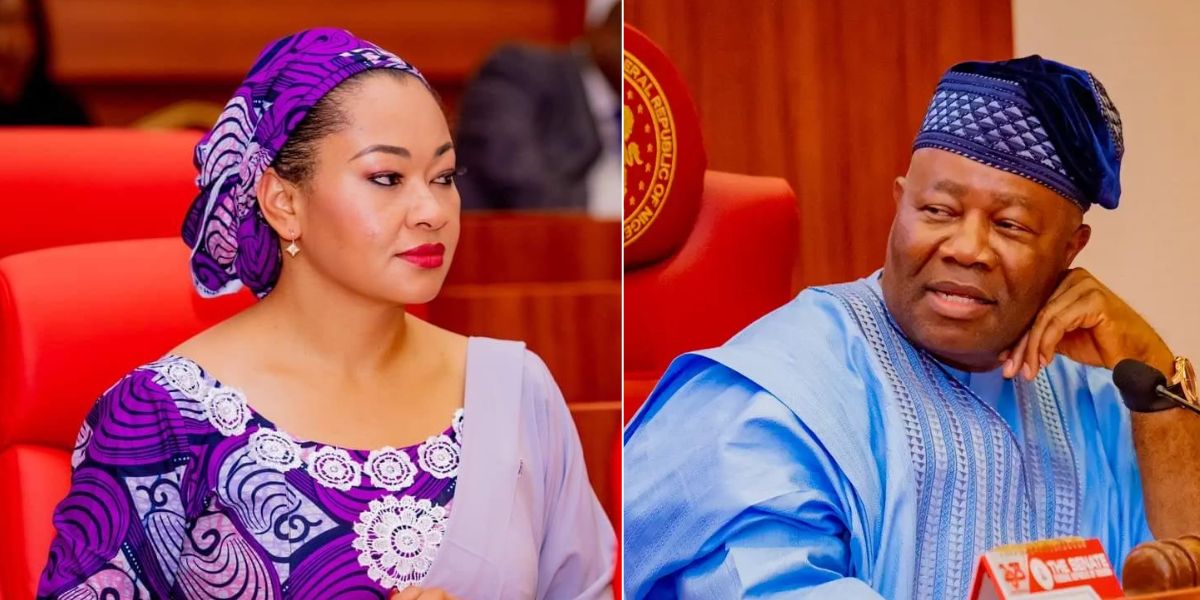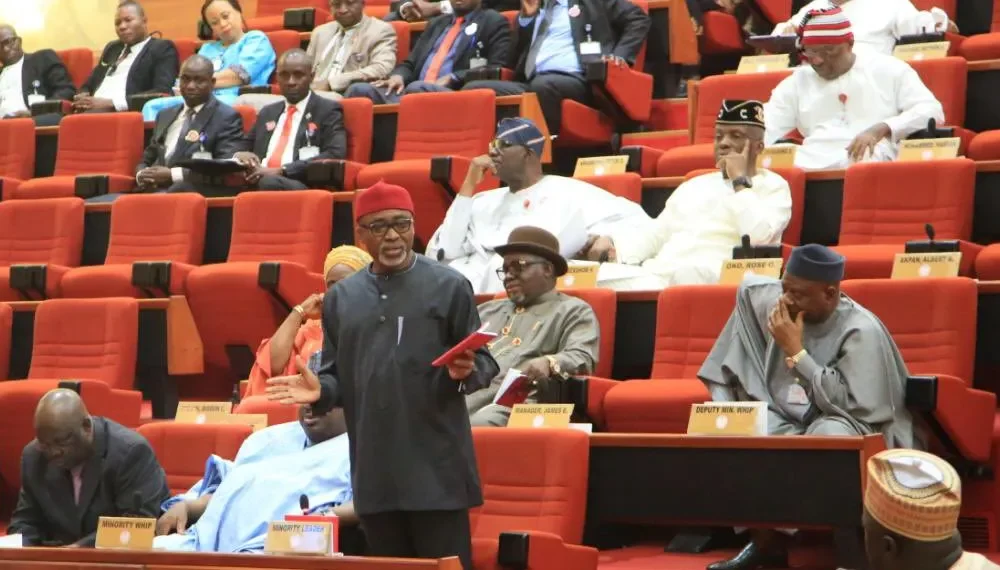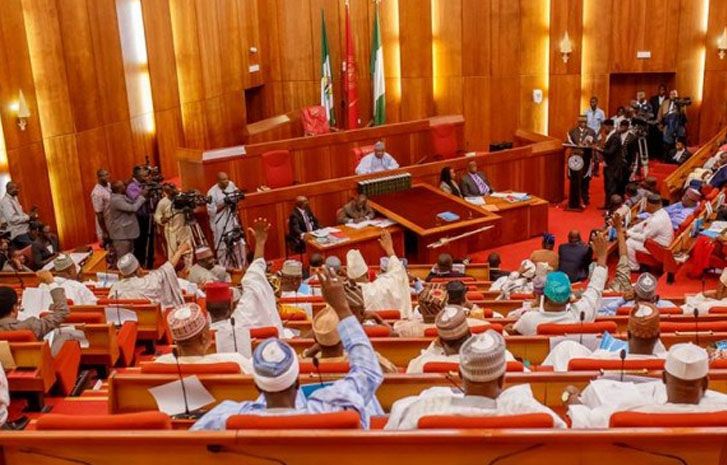
In a rare mix of candor and celebration, former Edo State Governor and current Senator representing Edo North, Adams Oshiomhole, openly admitted to raising a glass in celebration of the resignation of Engr. Farouk Ahmed and Mr. Mele Komolafe from Nigeria’s petroleum regulatory leadership. Speaking during the Senate screening of President Bola Tinubu’s nominees for the Nigerian Upstream Petroleum Regulatory Commission (NUPRC) and the Nigerian Midstream and Downstream Petroleum Regulatory Authority (NMDPRA), Oshiomhole described their exit as “necessary for Nigeria’s economic survival.”
“I celebrated it last night,” the former labor leader said, unflinchingly. “It needed to be done. And I’m still going to drink tonight because of their removal.”
Senator David Jimkuta of Taraba South echoed the sentiment, promising to join Oshiomhole in a celebratory toast while simultaneously holding the new nominees accountable. Both senators stressed that Nigeria’s petroleum sector, a cornerstone of national revenue and employment, cannot afford leaders who prioritize imports over local industrial development.
The session was part of the Joint Committee on Upstream, Midstream, Downstream, and Gas’s review of the nominees. President Tinubu had forwarded Oritsemeyiwa Amanorisewo Eyesan and Engr. Saidu Aliyu Mohammed for confirmation as heads of NUPRC and NMDPRA, respectively. Their appointments follow the resignations of Ahmed and Komolafe, both initially appointed in 2021 under the Petroleum Industry Act.
The shake-up comes after a high-profile dispute between Ahmed and Alhaji Aliko Dangote, President of the Dangote Group, who publicly accused the NMDPRA of frustrating domestic refining through the issuance of petroleum import licenses and alleged personal corruption.
During the screening, Oshiomhole emphasized that professional qualifications alone do not guarantee national progress. “Looking at your CV, you are qualified. But the real question is your policy choices,” he said. “Everywhere in the world, governments deliberately protect local industries—not because they like the owners, but because they want to create jobs.”
He condemned the policies of the outgoing leadership for stifling local refineries despite multiple licenses granted for large, mid-sized, and modular plants. “Assets were deliberately undermined under their watch,” he said, adding that such actions ran contrary to Nigeria’s national interest.
Oshiomhole underscored the need for a job-focused petroleum policy, stressing that employment comes not from lamenting the unemployed, but from supporting domestic industries and labor-intensive enterprises like refineries. “Anyone who opposes job creation in Nigeria, who prefers importing products and exporting our wealth, has no business managing this sector,” he warned.
The senator urged the new nominees to be guided by national interest rather than the convenience of refinery owners, reminding them that the petroleum sector directly affects Nigerian families, workers, and engineers. “Be guided by what is good for Nigeria, not by private interests alone,” he said.
Senator Jimkuta reinforced the accountability message with pointed questions: “I want you to tell us what you will do differently, how you will address public perceptions, and how you intend to correct past missteps.”
While the session was serious, the senators’ willingness to celebrate the departure of former leaders reflects a growing frustration among lawmakers and the public over policies that have undermined domestic refining and job creation. Oshiomhole commended President Tinubu for decisive action, saying that removing Ahmed and Komolafe “has renewed hope for Nigerians who depend on the sector for employment and economic stability.”
The message to the new leadership is clear: policy direction matters more than personal qualifications. For Nigeria to reap the benefits of its petroleum wealth, regulators must prioritize local refining, job creation, and national development, moving beyond mere administrative competence to actively safeguard the country’s economic and industrial interests.
As the nominees face confirmation, all eyes are on their response to this challenge—whether they will heed the senators’ advice or fall into the pattern of import-driven, short-term policies that have plagued the sector for years.
Senators Toast Farouk, Komolafe Exit, Urge New Petroleum Chiefs to Prioritize Local Jobs