

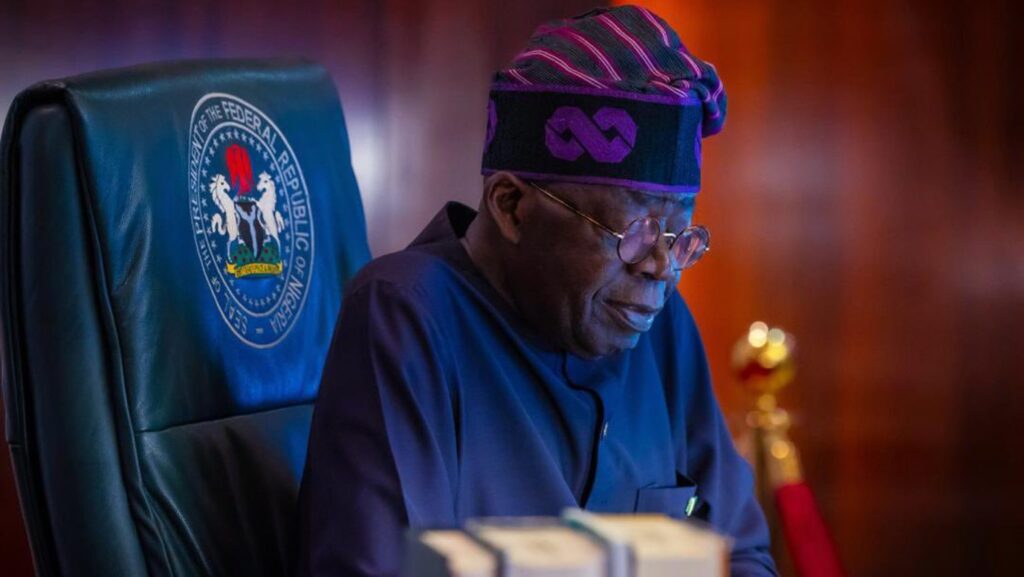

The Presidency has dismissed renewed calls for President Bola Ahmed Tinubu to resign, following criticism from opposition figures who faulted his administration’s handling of the economy and security situation.
Presidential aide, Dada Olusegun, said arguments linking Nigeria’s leadership structure to recent political developments in the United Kingdom were fundamentally misplaced, insisting that Nigeria operates a fixed-term presidential system that guarantees stability of tenure.
The response comes after former presidential candidate Peter Obi urged Tinubu to step aside over worsening economic hardship and insecurity, drawing comparisons with the resignation of UK Prime Minister Keir Starmer amid political pressure in his country.
Olusegun argued that Nigeria’s governance structure is not comparable to a parliamentary system where leaders depend directly on legislative confidence.
He maintained that Nigeria’s presidential model is designed for continuity and long-term policy implementation, cautioning against what he described as “imported political analogies” that do not reflect local constitutional realities.
Defending the administration’s record, the presidential aide said Tinubu inherited a fragile economy burdened by subsidy obligations, exchange rate distortions, and declining oil output.
He noted that while reforms introduced by the government have led to short-term hardship, they were necessary to correct long-standing structural weaknesses.
According to him, early indicators such as improved fiscal inflows, stronger market activity, and increased oil production suggest gradual economic stabilisation.
Olusegun added that investor confidence is beginning to return, pointing to recent movements in financial markets and improved revenue allocations to the three tiers of government as signs of progress.
He also argued that key sectors are showing signs of adjustment, even as citizens continue to experience inflationary pressure and rising living costs.
Despite the Presidency’s defence, opposition figures insist that the reforms have yet to translate into meaningful relief for Nigerians, particularly in the areas of employment, electricity supply, and cost of living.
Obi and his allies argue that governance outcomes, not projections, should determine public confidence in the administration.
The exchange underscores growing political tensions ahead of the next election cycle, with the opposition intensifying scrutiny of government policies while the Presidency continues to frame its reforms as necessary but painful adjustments.
As both sides sharpen their positions, debates over economic direction and accountability are expected to dominate the political space in the months ahead.