


Presidential candidate of the Nigeria Democratic Congress (NDC), Peter Obi, has challenged the Federal Government to provide Nigerians with a clearer account of how the nation’s mounting debt is being utilized, pointing to South Africa’s transparent handling of a recent $1 billion development loan as a model worthy of emulation.
In a statement issued on Thursday, Obi said the approval of a $1 billion facility for South Africa by the New Development Bank demonstrated how governments can borrow responsibly while keeping citizens fully informed about the purpose and expected outcomes of such loans.
According to him, South African authorities openly outlined the projects the loan would finance, including upgrades to water supply networks, sanitation infrastructure, electricity distribution systems and waste management services across major urban centres. Such disclosure, he noted, allows citizens to monitor implementation and hold government accountable for results.
Obi stressed that borrowing itself is not a problem, noting that countries across the world routinely rely on debt financing to fund critical development projects and bridge infrastructure gaps. However, he argued that every borrowing decision must be accompanied by transparency, accountability and measurable benefits for the people.
“There is much to learn from the open and transparent manner in which South Africa secured and explained the purpose of its loan facility. Citizens know what the money is meant for and can monitor the projects,” he stated.
Drawing a contrast with Nigeria’s current debt profile, Obi expressed concern over what he described as the lack of clarity surrounding the utilization of borrowed funds despite the country’s rapidly expanding debt stock.
He observed that Nigeria’s public debt has climbed from about ₦87 trillion in 2023 to nearly ₦200 trillion within a relatively short period, yet many Nigerians remain uncertain about the specific projects, infrastructure investments or social programmes that justify the scale of the borrowing.
According to him, every loan obtained in the name of Nigerians should be tied to productive investments capable of generating employment, stimulating economic growth, reducing poverty and improving living standards.
The former Anambra State governor maintained that governments owe citizens a duty to explain what was borrowed, where the funds were invested and what tangible outcomes have been achieved.
He argued that accountability in public finance has become even more important as millions of Nigerians grapple with rising inflation, worsening economic hardship, unemployment, insecurity and declining purchasing power.
Obi warned that continued borrowing without visible developmental impact could leave future generations saddled with enormous financial obligations while offering little relief to the challenges confronting citizens today.
He therefore called for stricter fiscal discipline, greater transparency in public expenditure and stronger oversight of borrowing decisions, insisting that the true measure of any loan should be its capacity to improve the welfare of ordinary Nigerians.
His remarks come amid growing public debate over Nigeria’s rising debt profile and increasing calls from economic experts, civil society groups and opposition figures for greater scrutiny of government borrowing and spending.
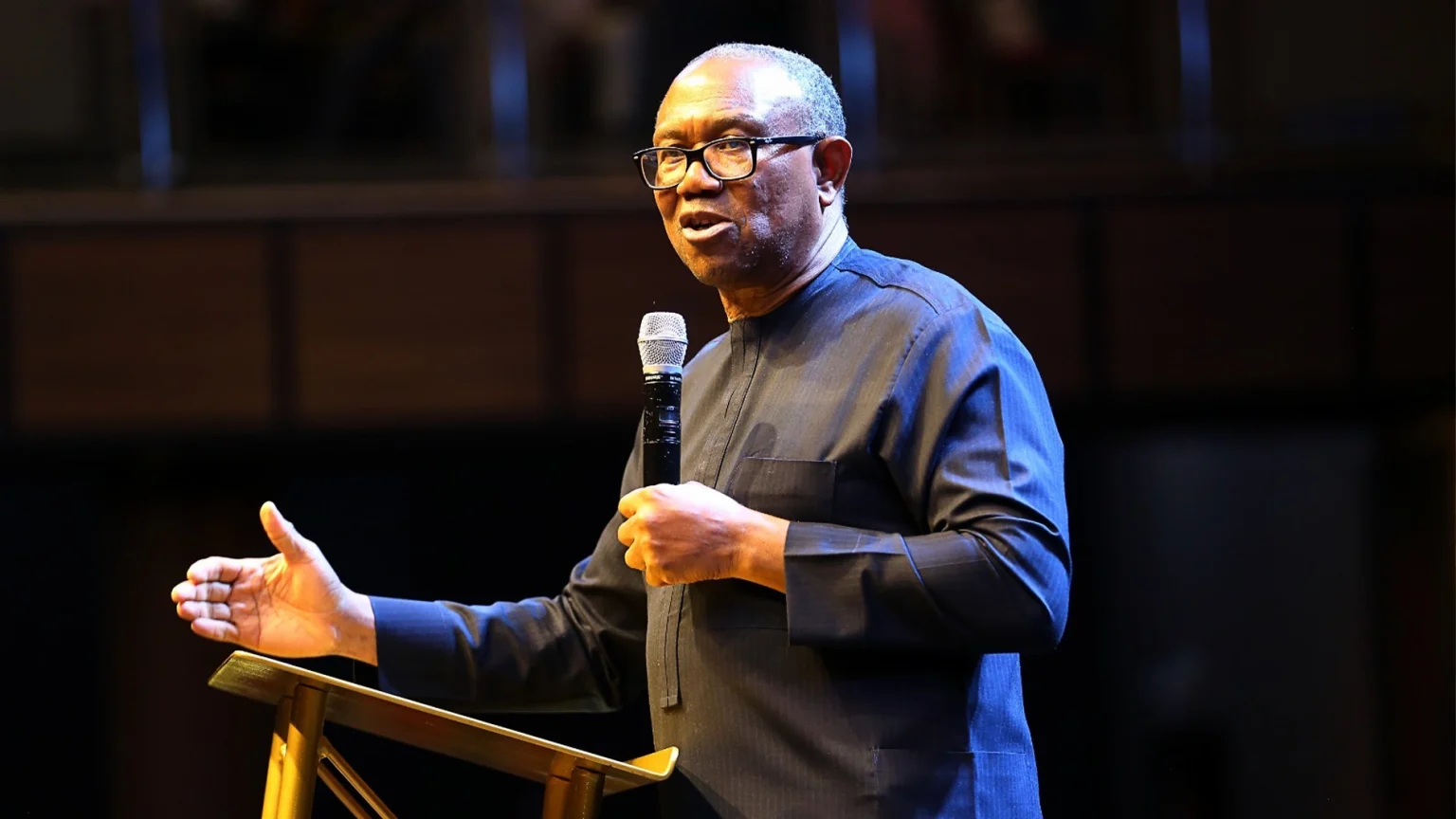
Peter Obi
