

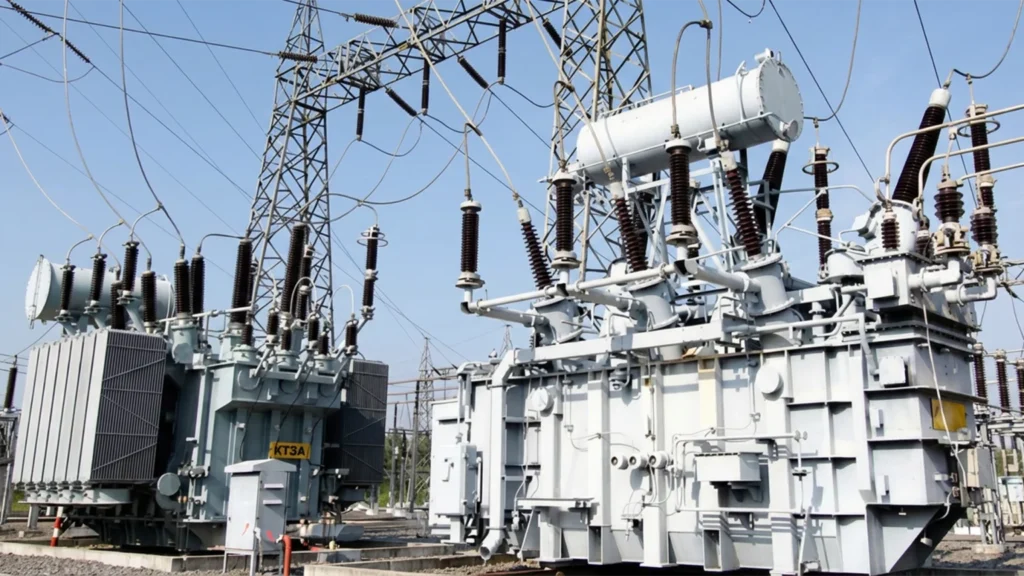

The Presidency is set to disconnect the Presidential Villa from Nigeria’s national electricity grid and switch entirely to a dedicated solar power system, citing an annual electricity bill estimated at ₦47 billion.
The move follows the completion of a solar mini-grid project at the Presidential Villa, approved under the administration of President Bola Ahmed Tinubu as part of efforts to cut energy costs and improve power reliability.
Speaking during a budget defence session earlier this year, State House Permanent Secretary, Temitope Fashedemi, disclosed that the solar installation was completed toward the end of 2025 and had since been undergoing technical evaluation ahead of full deployment.
The project received ₦10 billion in the 2025 budget under the “Solarisation of the Villa with Solar Mini Grid” programme, with an additional ₦7 billion provided in the 2026 budget, bringing total government investment to about ₦17 billion.
Director-General of the Energy Commission of Nigeria, Mustapha Abdullahi, said the decision was driven by the need to reduce mounting energy costs.
“It is unsustainable for the Aso Rock Villa to continue to pay about ₦47 billion yearly in power bills,” he said, noting that the solar project would help diversify energy sources while reducing dependence on conventional electricity supply.
Officials said large sections of the Presidential Villa, including open spaces and parking areas, have already been fitted with solar panels and battery storage systems capable of providing uninterrupted electricity. Diesel-powered generators will remain on standby as backup, though their use is expected to decline significantly.
The development comes amid persistent challenges facing Nigeria’s power sector, including recurring grid collapses, inadequate electricity generation and widespread outages that continue to affect homes, businesses and public institutions.
While supporters have praised the project as a strategic investment in renewable energy and energy security, critics argue that the decision raises concerns about government confidence in the national grid. Some observers contend that if the seat of government is opting out of the grid, it underscores deeper structural problems within the country’s electricity network.
The Presidency has yet to indicate whether similar solar-powered systems will be extended to other federal government institutions nationwide.