


For years, Senator Ali Ndume’s appeals for federal intervention on the dilapidated Gombe-Biu highway appeared to fall on deaf ears. Successive engagements, presentations, and advocacy efforts yielded little progress as one of the Northeast’s most strategic road corridors continued to deteriorate.
That long wait may finally be over.
With the official flag-off of the N1.245 trillion reconstruction and dualisation of the 125-kilometre Gombe-Biu highway, the former Senate Leader says a major infrastructure battle he has fought for nearly a decade has finally been won.


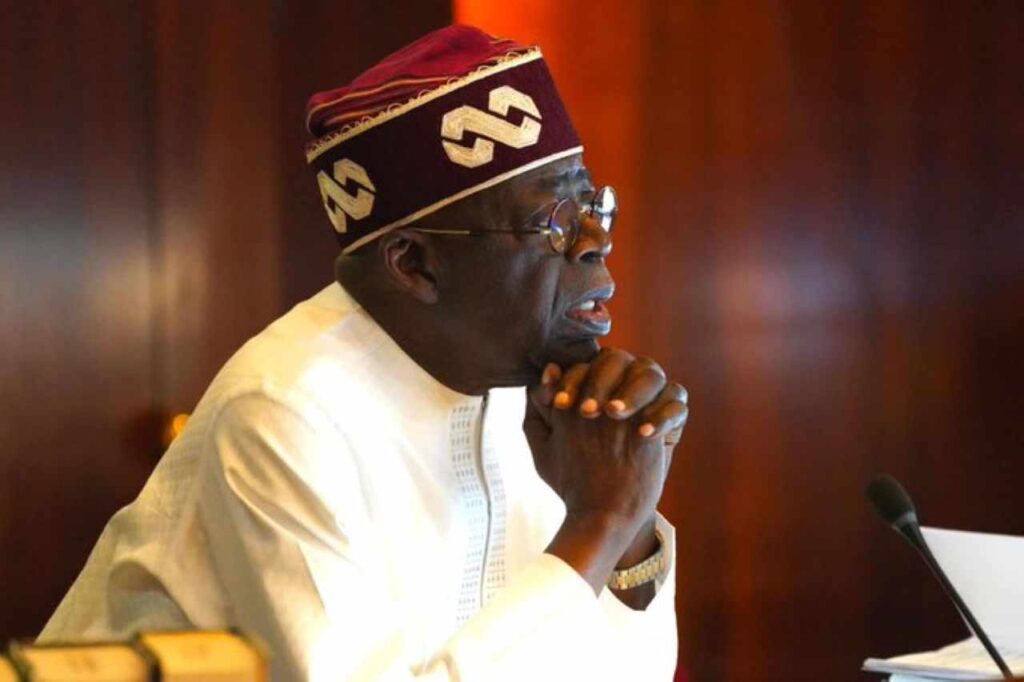
Ndume, who represents Borno South Senatorial District, has hailed President Bola Ahmed Tinubu and Minister of Works David Umahi for approving and commencing work on the critical road project, describing it as a landmark intervention that could reshape economic and security realities across the Northeast.
The project was formally inaugurated on Thursday in Liji, Gombe State, in the presence of Governor Muhammadu Inuwa Yahaya, Works Minister David Umahi, and the Managing Director of Hi-Tech Construction Company, Danny Abboud.
But beyond the fanfare surrounding the groundbreaking ceremony lies a deeper story of sustained political advocacy, bureaucratic resistance, and a region’s quest for infrastructure justice.
According to Ndume, his campaign for the rehabilitation of the road dates back several years. He recalled raising concerns with former Minister of Works and Housing, Babatunde Fashola, in 2019, warning that the worsening condition of the highway was undermining economic activities, security operations, and regional integration.
The senator said he renewed the push in 2021 during discussions on national infrastructure financing and projects linked to African Development Bank facilities, insisting that the road deserved priority attention because of its strategic importance to the Northeast.
Despite those efforts, little progress was made.
However, a renewed intervention by Ndume in February this year appears to have changed the trajectory of the project. In a letter addressed to Minister Umahi, the senator drew attention to the exclusion of the Biu-Damboa-Maiduguri corridor from the Federal Government’s 2026 legacy road projects.
Within months, the Federal Executive Council approved the Gombe-Biu highway under the federal tax credit and infrastructure intervention framework, paving the way for the commencement of construction.
For Ndume, the project represents more than another federal road contract.
He described the highway as a strategic economic artery linking the Northeast to other regions of the country and neighbouring West African nations. According to him, the reconstruction will improve the movement of goods and people, reduce travel risks, stimulate investment, and strengthen security operations in an area that has battled insurgency for over a decade.
The senator argued that poor road networks have often provided opportunities for criminal elements and insurgents to target travellers, while also frustrating commercial activities and increasing transportation costs.
“This project will unlock enormous economic opportunities and improve the quality of life for millions of people across the Northeast,” he said.
While applauding the Tinubu administration for approving the project, Ndume urged the Federal Government to expand its vision beyond Gombe and Biu by extending modern road infrastructure to Maiduguri, Monguno, Ngala, and Yola.
According to him, connecting those critical corridors would not only boost cross-border commerce but also enhance national security by improving access to border communities.
His endorsement of the project also carried political undertones.
The senator suggested that the people of the Northeast would not forget what he described as President Tinubu’s responsiveness to the region’s infrastructure needs, hinting that the administration’s investment could strengthen its political fortunes ahead of future elections.
With construction now underway, attention will shift from promises to delivery. For residents, businesses, and commuters who have endured years of hardship on the road, the true measure of success will not be the size of the contract but the quality and timely completion of a highway many consider vital to the future of the Northeast.
For Ndume, however, the flag-off marks a significant milestone in a long campaign to place one of the region’s most neglected roads firmly on the national development agenda.