Governance experts have urged the Kogi State Government to match ambition with accountability following the unveiling of its proposed ₦820 billion 2026 budget, warning that transparent implementation and citizen engagement will determine its real impact on residents.
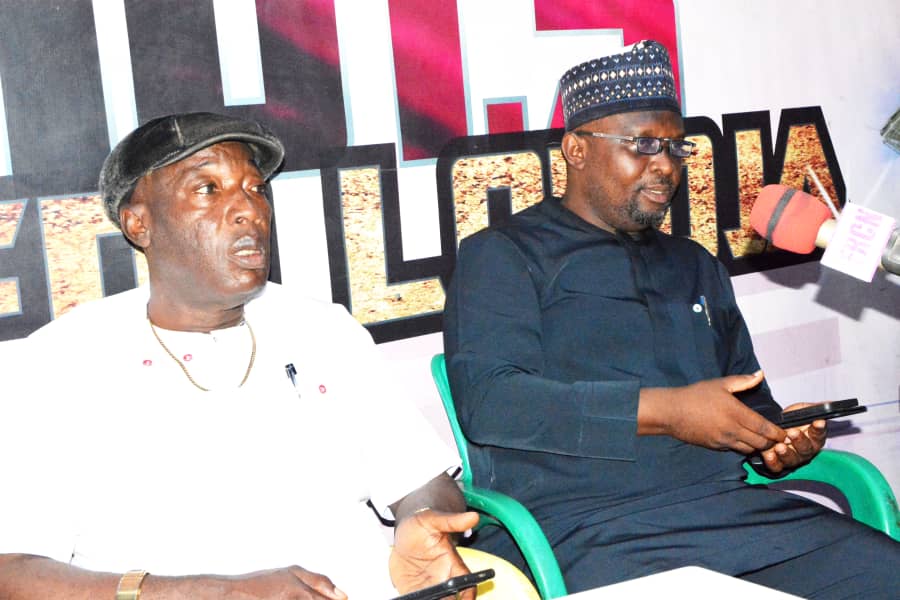
The call was made during Episode 15 of the Open Governance Forum (OGF), a weekly public affairs programme produced by the Initiative for Grassroot Advancement in Nigeria (INGRA) in partnership with the Conscience for Human Rights and Conflict Resolution (CHRCR), with support from the Nigeria Situation Room/FCDO.
The episode, themed “Kogi State 2026 Proposed Budget: Impacts and Challenges on Citizens,” featured governance advocates Hamza Aliyu, Executive Director of INGRA Nigeria, and Idris Miliki, Executive Director of CHRCR.
Both speakers described the ₦820bn proposal as ambitious, noting that its success would largely depend on realistic revenue projections and prudent expenditure management. They cautioned that prevailing economic challenges — including inflation, rising governance costs and narrow revenue sources — could undermine effective implementation unless deliberate steps are taken to boost Internally Generated Revenue (IGR)
The analysts examined key sectoral allocations, stressing that education, health, agriculture and infrastructure must be prioritised to deliver tangible benefits to citizens, particularly those in rural communities. According to them, budgetary provisions should align with pressing social and economic needs rather than political symbolism.
They also raised concerns over the balance between recurrent and capital spending, arguing that a truly development-driven budget should favour capital projects capable of stimulating growth and job creation. Excessive recurrent expenditure, they warned, could limit long-term development outcomes.
Among the major challenges identified were weak institutional capacity, poor project continuity, revenue shortfalls, and ineffective monitoring and evaluation across Ministries, Departments and Agencies (MDAs). The experts warned that without strong oversight, many capital projects risk abandonment or substandard execution.
To address these risks, they called for strengthened accountability frameworks, transparent procurement processes, regular performance reviews and more effective legislative oversight. Civil society organisations and the media were also urged to intensify budget tracking and public enlightenment.
The analysts further encouraged citizens to remain actively engaged by monitoring projects in their communities, participating in budget hearings and demanding transparency from elected officials.
The Open Governance Forum is a flagship platform focused on promoting transparency, accountability and citizen participation in governance processes across Nigeria.
Experts Urge Accountability as Kogi Unveils ₦820bn 2026 Budget