


By Fatima Ndagi
The House of Representatives has thrown its weight behind President Bola Tinubu’s borrowing plan, describing it as crucial for financing major infrastructure, stimulating economic growth, and protecting Nigeria’s most vulnerable citizens.
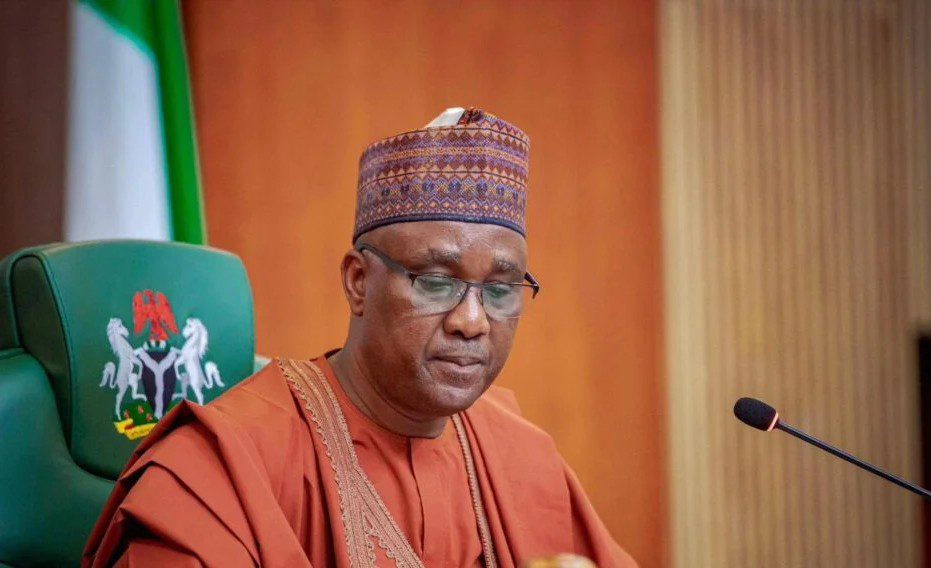
Speaker Abbas Tajudeen made this clear at the 8th Annual African Network of Parliamentary Budget Offices (AN-PBO) Conference in Abuja on Monday, insisting that the House’s stance on borrowing had been wrongly portrayed in the media. The conference—hosted by Nigeria’s National Assembly and the National Assembly Budget and Research Office (NABRO)—focused on “The Role of PBOs in African Parliaments’ Fiscal Oversight: Contribution to the African 2063 Development Agenda.”

Abbas, represented by House Leader Prof. Julius Ihonvbhere, clarified:
“A speech at the West Africa Parliamentary Conference was mischievously reported out of context, creating the false impression that the House does not support President Tinubu’s borrowing strategy. That interpretation is inaccurate and misleading.”
He emphasized that borrowing, when used strategically, is an essential fiscal tool:
“Like every modern economy, Nigeria must sometimes leverage credit to finance critical infrastructure, stimulate growth, and protect vulnerable populations. Under our President’s leadership, borrowed funds are being channeled toward transformative projects—power, transport, and agriculture—that expand revenue rather than consumption. The House fully supports this vision but will strengthen oversight to ensure transparency and sustainability.”
Abbas revealed that Nigeria loses $18 billion annually—3.8% of its GDP—to financial crimes, while corruption and inefficiency cost Africa over $587 billion every year. He warned:
“Africa stands at a crossroads. With 1.4 billion people—one-sixth of humanity—we are rich in resources and talent, but poverty remains widespread. 464 million Africans live in extreme poverty. Each year, 12 million young Africans enter the labor market, yet only 3 million jobs are created. Without urgent action, our demographic dividend could become a demographic crisis.”
He added that responsible borrowing could transform education, health, and infrastructure, advancing the African Union’s Agenda 2063 goals.
Prof. Dumisani Jantjies, AN-PBO Chairperson, echoed the call for accountability, warning that Africa’s economies remain exposed to external shocks like volatile capital flows, trade disruptions, and climate change. He praised Nigeria’s 3.4% economic growth in 2024, its highest in a decade, but cautioned that inflation and poverty remain serious threats.
“Parliamentary Budget Offices are vital for fiscal transparency and policy accountability,” Jantjies said. “Our job is to provide lawmakers with credible, non-partisan analysis to guide sound fiscal decisions.”
With its renewed pledge, the House signaled it will pair its support for borrowing with rigorous scrutiny, ensuring that every loan under Tinubu’s administration translates into measurable development gains.

1 Comment
4ckntp